What’s the Difference Between Drain Cleaning and Hydro Jetting?

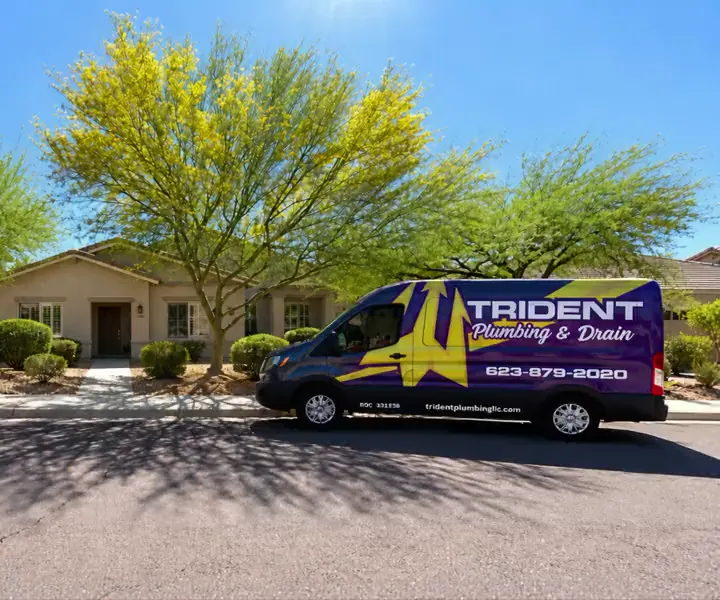
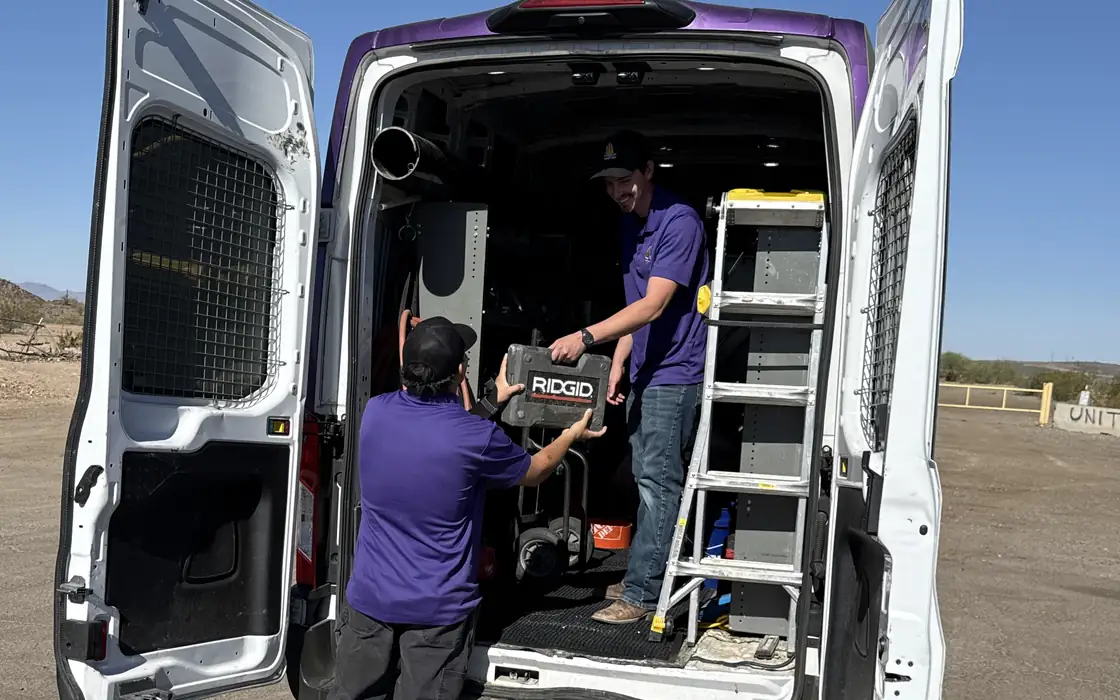
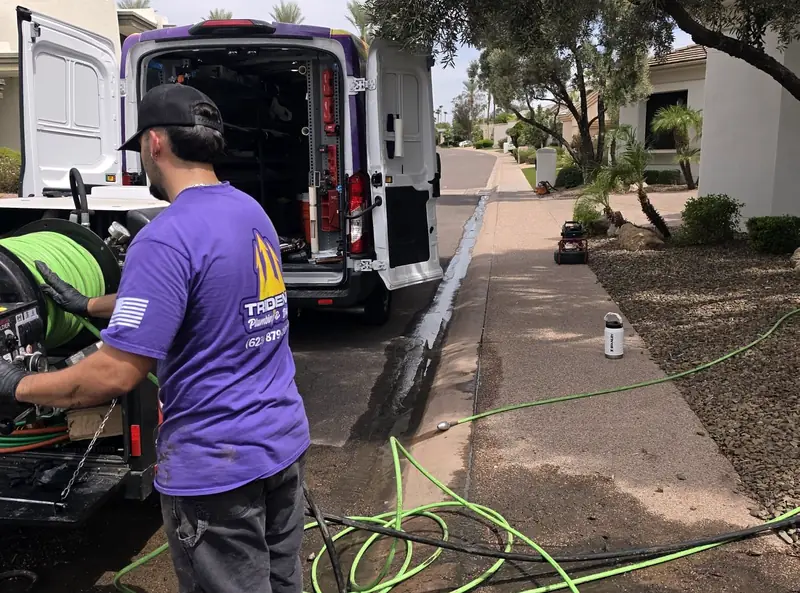
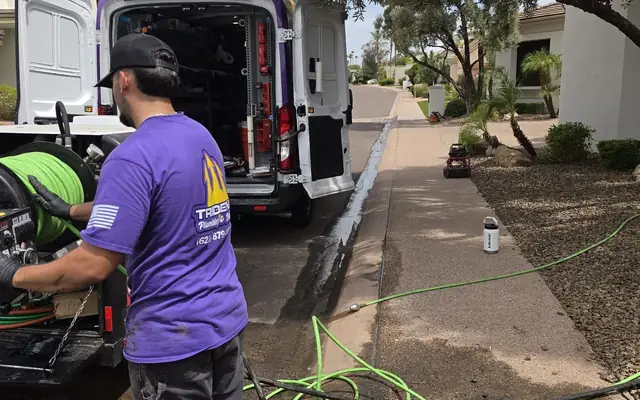
A plumber setting up a professional hydro jetting hose next to a service van outside a residential home.
trident icon

June 10, 2026

A slow or stopped drain is one of the most common reasons Phoenix homeowners call a plumber, and when they do, they often hear two options: drain cleaning or hydro jetting. Both clear blocked or sluggish drain lines. Both are standard plumbing services. But they work differently, they are appropriate for different situations, and they produce different long-term results. Understanding the distinction helps you ask better questions, make a more informed decision, and avoid paying for more than you need or settling for less than the problem actually requires. This guide explains what each method involves, when each one is the right call, and how Phoenix’s specific hard water and soap scum conditions factor into the choice.

What Drain Cleaning Actually Means

The Drain Snake: How It Works

When plumbers talk about drain cleaning, they are typically referring to mechanical snaking, also called augering. A drain snake is a flexible steel cable with a rotating cutting or hooking head at the tip. The plumber feeds the cable down the drain line until it reaches the blockage, then rotates it to either break up the obstruction or hook it and pull it back out. For a hair clog in a bathroom drain, a simple hook auger pulls the material out in one pass. For a grease accumulation or soft soap scum buildup in a kitchen drain line, the rotating head chews through the blockage and restores flow. Drain cleaning is fast, effective for the right type of blockage, and appropriate for most straightforward residential drain issues.

What Snaking Does and Does Not Do

The important thing to understand about a drain snake is that it punches a hole through a blockage rather than cleaning the pipe. After a successful snake job, water flows again, but the interior walls of the pipe are not clean. A layer of grease, soap scum, or mineral residue typically remains coating the pipe walls. This is not a problem if the blockage was a hair clog or a small foreign object that is now gone. It is worth noting if the drain was blocked by accumulated grease or scale, because that residue layer continues to narrow the pipe and accumulate more material, which is why some drains keep coming back after repeated snaking.

When Drain Cleaning Is the Right Call

Mechanical drain cleaning is the right first-line response for most routine residential drain blockages. Specifically, it is well suited for:

  • Hair and soap scum clogs in bathroom sink, shower, and tub drains
  • Single-fixture blockages that developed suddenly rather than gradually
  • Foreign object removal, such as a small item that fell into a drain opening
  • Soft organic blockages in kitchen sink lines that have not had time to harden
  • First-time blockages in a drain line with no history of recurring problems


For any of these situations, a drain cleaning service call is typically the most cost-efficient and fastest resolution. The job can usually be completed in under an hour for a single fixture, and the results are immediate.

What Hydro Jetting Actually Means

The Hydro Jetting Process

Hydro jetting uses a specialized machine that pressurizes water to between 1,500 and 4,000 PSI and forces it through a flexible hose with a multi-directional nozzle designed to spray simultaneously forward and backward. The forward jet clears material ahead of the nozzle while the backward jets spin against the pipe walls, scrubbing away grease, mineral scale, soap scum, and root tendrils as the hose moves through the line. Unlike a drain snake, which addresses the blockage at a single point, hydro jetting cleans the entire interior surface of the pipe along its full length. Before hydro jetting a line, a plumber will typically inspect it with a camera to confirm the pipe walls can handle the pressure and to identify any damage, root intrusion, or offset joints that need to be accounted for.

What Hydro Jetting Does That Snaking Cannot

The key difference is thoroughness. After hydro jetting, the interior of the pipe is as clean as it can be without physical replacement. Grease that has been accumulating for years on kitchen drain walls is emulsified and flushed out. Mineral scale deposits, which are common in Phoenix’s hard water environment and build up aggressively inside drain lines over time, are blasted off the pipe wall. Root tendrils that have intruded through a joint crack are cut back. Sewer lines that carry a heavy load from a full household or a commercial kitchen come out of a hydro jetting service genuinely clean, not just passable. This is why results from hydro jetting typically last significantly longer than results from snaking the same line.

When Hydro Jetting Is the Right Call

Hydro jetting is not always necessary, and it is not the cheapest option for a simple hair clog. But it is the right call in a number of specific situations:

  • A drain that has been snaked before and keeps coming back, usually within a few months
  • Slow drains throughout the house, which typically point to main line buildup rather than a single fixture clog
  • Grease accumulation in kitchen drain lines, especially in homes with heavy cooking or in any commercial kitchen
  • Root intrusion in sewer lines, where snaking clears the immediate blockage but does not address the root mass
  • Pre-sale or post-purchase pipe cleaning to establish a clean baseline before a new owner takes over
  • Preventive maintenance on main sewer lines in older homes or high-use properties before monsoon season


If a plumber has snaked a drain twice in the same year and the blockage keeps returning, that is a strong signal that hydro jetting is the more appropriate tool. The underlying pipe wall condition is not being addressed by snaking alone.

Drain Cleaning vs. Hydro Jetting: Side-by-Side

The table below compares the two methods across the factors that matter most for a Phoenix homeowner making a decision.

Drain Cleaning (Snaking) Hydro Jetting
How it works A rotating auger breaks up or hooks and removes the blockage High-pressure water stream (up to 4,000 PSI) blasts the pipe walls clean
Best for Soft blockages: hair, soap scum, small FOG clogs, foreign objects Grease buildup, mineral scale, root intrusion, recurring blockages
Result Clears the blockage; leaves residue on pipe walls Clears blockage and cleans pipe walls; removes accumulated buildup
Typical cost Lower; appropriate for straightforward blockages Higher; justified by thoroughness and longer-lasting results
How long results last Months to a year or more for a clean line; less if buildup remains Longer; full wall-to-wall clean reduces reaccumulation rate
Pipe condition requirement Appropriate for most pipe conditions Requires inspection first; not suitable for severely damaged lines
Commercial use Common for routine residential and light commercial Standard for commercial kitchens, restaurants, and high-use lines


Why Phoenix Drains Are Particularly Vulnerable to Buildup

Hard Water and Drain Line Scale

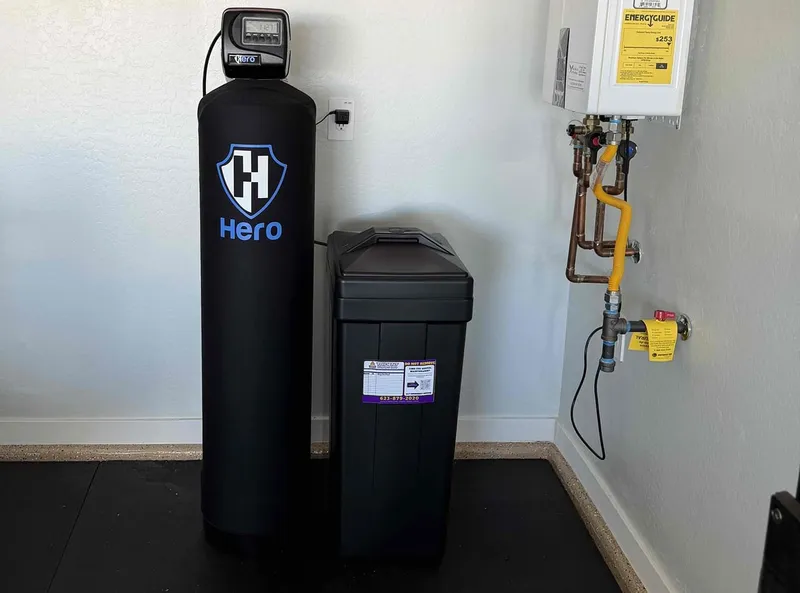
Phoenix tap water carries 200 to 350 parts per million of dissolved hardness minerals. When that water flows through drain lines and evaporates or cools, calcium and magnesium precipitate out and deposit on the interior pipe walls. Over years, this mineral scale narrows the drain’s effective diameter and creates a rough surface that catches soap, grease, and hair far more aggressively than a clean pipe wall would. This is one reason that Phoenix homes with no water treatment tend to develop recurring drain problems faster than identical homes in lower-hardness cities. A whole-home water softener reduces the mineral load entering your drain lines in the first place, which meaningfully extends the interval between necessary drain cleaning services.

Soap Scum in Phoenix Showers and Tubs

Hard water reacts chemically with soap to form an insoluble curd, the familiar soap scum that coats shower walls and tub surfaces. That same curd coats the interior of drain lines below the drain opening, where it accumulates in layers and binds to mineral scale already on the pipe wall. In Phoenix bathrooms without water treatment, soap scum buildup inside drain lines can reduce flow noticeably within 2 to 3 years of installation. Hydro jetting clears this buildup completely in a way that snaking alone cannot, because snaking cannot scrub the pipe walls.

Grease Buildup in Phoenix Kitchen Drains

Fats, oils, and grease poured or washed down kitchen sink drains solidify on pipe walls as they cool, building up in layers over time. In Phoenix, where outdoor cooking and large family gatherings put heavier seasonal demand on kitchen drains, this accumulation can be substantial. Heat from Phoenix summers can also cause cooled grease deposits to partially liquefy and travel further into the line before resolidifying, spreading the buildup over a longer stretch of pipe. For kitchen drain lines with years of grease history, hydro jetting is almost always the more effective and longer-lasting solution compared to snaking.

Root Intrusion in Sewer Lines

In Phoenix’s desert climate, tree and shrub root systems seek out any available moisture source, and residential sewer lines are a consistent target. Roots enter through joint cracks, grow into the line, and accumulate debris until the flow is restricted or blocked. Snaking a root-intruded line punches through the current blockage but does not address the root mass itself. Hydro jetting cuts back the roots along the full diameter of the pipe and clears accumulated debris more thoroughly, buying significantly more time before the intrusion becomes a problem again. For lines with repeated root blockages, a camera inspection combined with hydro jetting is the appropriate diagnostic and treatment approach.

A plumber kneeling on a tile floor while carefully feeding a flexible green hydro jetting hose into a drain pipe cleanout.

A technician utilizes a flexible, high-pressure hose to clear stubborn blockages deep within the plumbing system.

How Plumbers Decide Which Method to Use

The Diagnostic Process

A plumber’s first step when called for a slow or blocked drain is diagnosis, not treatment. The history of the drain matters: is this the first time it has been slow, or has this happened before? Is it a single fixture or multiple drains throughout the house? When did it start? A single bathroom drain that slowed down over a few days points toward a localized hair and soap clog. Multiple slow drains or a main line backup suggests a further-downstream blockage in the main sewer line. When in doubt, a camera inspection of the line before drain cleaning or jetting tells the plumber exactly what is in the pipe and where, which determines both the right method and whether the pipe condition is suitable for high-pressure jetting.

When Camera Inspection Changes the Decision

Camera inspection occasionally reveals that neither snaking nor hydro jetting is the right answer. A pipe with a significant offset joint, a section of collapse, or advanced corrosion damage needs repair or replacement before any clearing method is applied, because jetting a structurally compromised line can cause a failure rather than a fix. This is also how slab leaks in drain lines get identified before they cause further damage. When a camera finds this kind of damage, the conversation shifts to pipe repair or repiping rather than cleaning, which is a more expensive but necessary path.

The Cost Conversation

Snaking is less expensive than hydro jetting, and for the right type of blockage it is the appropriate choice. The cost of hydro jetting is justified when the situation calls for it, because a thorough cleaning of a grease-coated main line lasts far longer than repeated snake jobs on the same line. If a homeowner has had a kitchen drain snaked twice in a year and it keeps coming back, the total cost of those two snake visits plus a third in six months will likely exceed the cost of a single hydro jetting service that resolves the buildup for two to three years. The right framing is not which option is cheaper today but which is more cost-effective over a realistic maintenance horizon.

Warning Signs That Your Drains Need Professional Attention

Some drain symptoms are easy to ignore until they become an emergency. Knowing what to watch for helps you get ahead of a full blockage or a backup:

  • One or more drains that have been gradually slowing over weeks or months rather than suddenly stopping
  • A drain that was snaked within the past year and is already slowing again
  • Gurgling sounds from drains when a toilet is flushed or a washing machine drains, which typically indicates a partial main line blockage
  • Sewage odor from drains, particularly in the morning or after extended periods without water use
  • Water backing up into a tub or floor drain when a sink or toilet is used
  • Multiple slow drains in different parts of the house at the same time
  • A toilet that is slow to clear even after being plunged


Multiple symptoms occurring together almost always mean the blockage is downstream in the main sewer line rather than at a single fixture, and that situation typically warrants either hydro jetting or a camera inspection before deciding on the clearing method. If any of the above signs are present in your home, contact Trident Plumbing’s drain cleaning and repair team rather than waiting to see if the situation resolves.

Frequently Asked Questions

Is hydro jetting safe for older pipes?

It depends on the condition of the pipe, which is why a camera inspection is standard before hydro jetting older lines. PVC and modern PEX drain lines handle hydro jetting well. Cast iron drain lines, common in Phoenix homes built before the 1980s, can be jetted at appropriate pressure settings if they are in good structural condition. Pipes with significant corrosion, cracking, offset joints, or root damage may not be suitable for jetting until the structural issues are addressed. A plumber who skips a camera inspection before jetting an older line is taking an unnecessary risk. Trident Plumbing inspects before jetting as a standard step.

How often should I have my drains cleaned in a Phoenix home?

For most Phoenix households, annual drain cleaning on kitchen sink lines and main sewer lines is a reasonable preventive interval, particularly in homes without a water softener where scale and soap scum accumulate faster. Bathroom fixture drains can usually be maintained by the homeowner with a monthly hot water flush and a twice-yearly aerator screen check. Homes with large families, heavy cooking, mature trees in the yard, or older sewer lines benefit from a more proactive schedule, including camera inspection every two to three years to monitor the line’s condition before a blockage develops.

Can I use chemical drain cleaners instead of calling a plumber?

For a very fresh, soft hair clog at the top of a fixture drain, an enzyme-based drain cleaner may provide short-term relief. Standard liquid drain cleaners (lye or sulfuric acid formulations) are generally not recommended by plumbers for regular use because they generate heat inside the pipe, can damage PVC and older pipes over time, do not address grease or mineral scale effectively, and are harmful to your sewer system’s bacterial environment. For anything beyond a very minor fixture clog, a professional drain cleaning service is more effective, faster, and does not risk pipe damage.

What does hydro jetting cost compared to snaking?

Hydro jetting typically costs more than mechanical snaking, reflecting the equipment involved, the time required, and the thoroughness of the result. The cost gap is smallest for main line work, where the additional thoroughness of jetting over snaking is most significant and the benefit of a clean pipe wall most durable. For a single fixture clog that a snake clears completely in one pass, the additional cost of jetting is rarely justified. The right way to evaluate the comparison is in the context of your specific drain’s history. Trident Plumbing can give you a clear picture of which method makes sense for your situation when you request an estimate.

Does hydro jetting permanently fix root problems in sewer lines?

Hydro jetting removes root intrusion that is currently in the pipe and clears it more thoroughly than snaking. It does not prevent roots from re-entering through the same joint crack or from finding new entry points. If a sewer line has structural damage at a joint that is allowing roots in, that joint eventually needs repair or the line needs relining to prevent re-intrusion. Hydro jetting buys more time between recurring root blockages than snaking does, but for lines with ongoing root intrusion, a camera inspection after jetting helps assess whether a more permanent structural repair is warranted.

How do I know which service my drain actually needs?

The honest answer is that a plumber needs to see the drain to give you a reliable recommendation. What you can do as a homeowner is give the plumber as much history as possible: how long the drain has been slow, whether it has been serviced before and how recently, whether it is a single fixture or multiple drains, and whether you have noticed any of the warning signs listed above. That information, combined with a camera inspection when appropriate, gives the plumber what they need to recommend the right method confidently. Trident Plumbing’s drain cleaning and hydro jetting services include a diagnosis step before recommending a course of action.

Can hydro jetting be used as preventive maintenance, not just for blockages?

Yes, and this is actually one of the best uses for it in Phoenix. A main sewer line cleaned by hydro jetting before monsoon season arrives, when drains face sudden heavy demand from storm-related runoff, is significantly less likely to back up than a line with years of accumulated grease and scale. Commercial properties and restaurants typically operate on a scheduled hydro jetting program precisely because it is more predictable and less disruptive than emergency drain cleaning after a backup. Residential homeowners with older sewer lines, large trees in the yard, or a history of slow drains benefit from the same proactive approach.

Not Sure Which Service You Need? We Can Tell You.

Trident Plumbing provides drain cleaning and hydro jetting across the greater Phoenix metro, serving homeowners in Phoenix, Scottsdale, Glendale, Goodyear, Surprise, Buckeye, Sun City, and all surrounding communities. If you have a slow drain, a recurring blockage, or a main line that has not been looked at in years, we will diagnose the situation and recommend the method that actually solves it, not simply the one that clears flow temporarily. Request your free estimate and let’s figure out what your drains actually need.

by Weslo Digital