Glendale, Arizona

Repiping in Glendale, AZ

Leaks that keep appearing, discolored water or falling pressure can mean the pipes are wearing out rather than failing in one spot. Trident helps Glendale property owners decide whether repiping makes sense.

Request service online

Woman, Veteran, & Family Owned

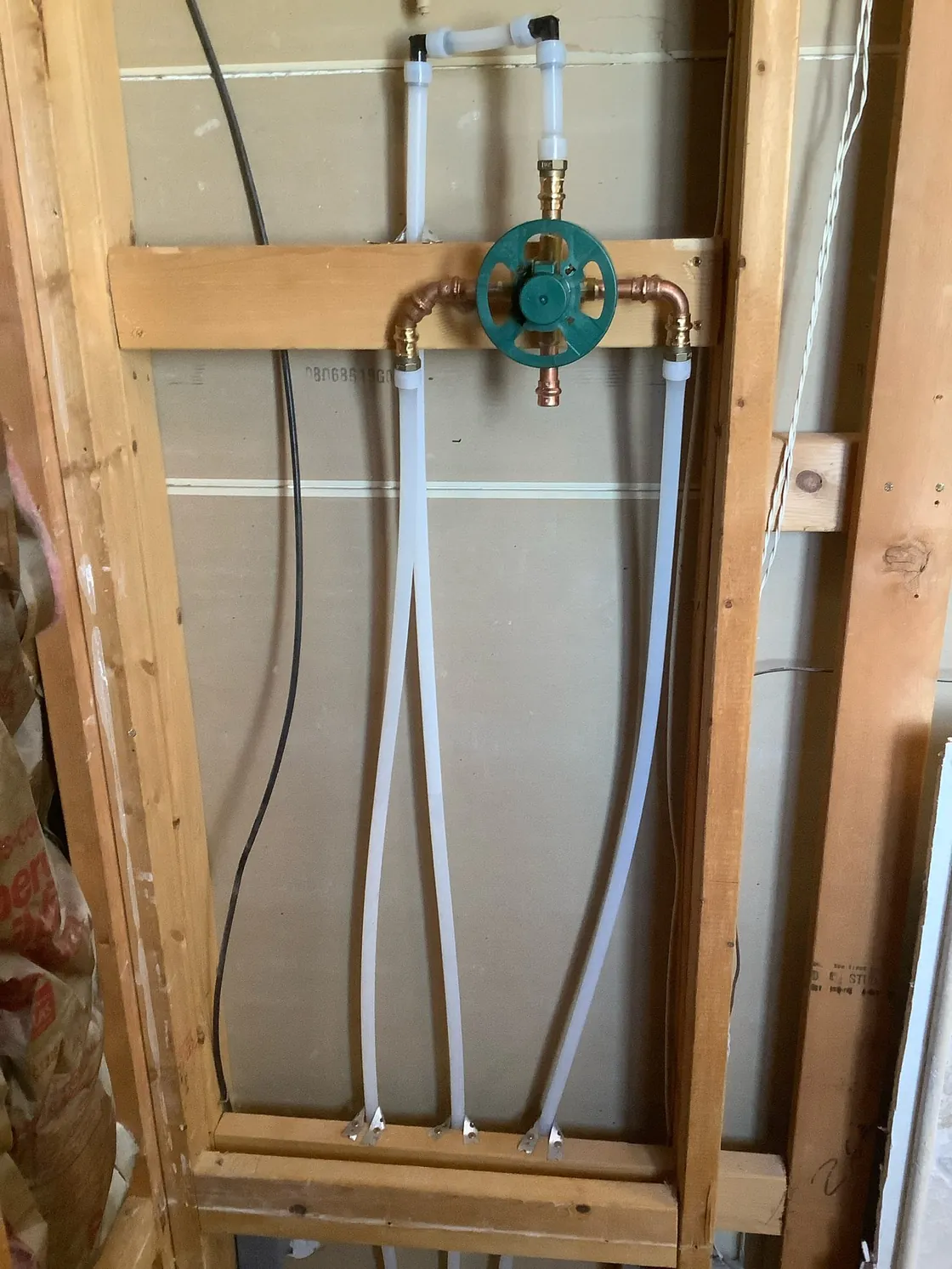
New PEX supply lines and a shower valve installed in open wall framing
Trident at workNew PEX supply lines in open wall framing.

Licensed in ArizonaROC 331536

Open 24/7Call when you need us

Peoria officeServing Glendale

Hear from our customersRead their Trident stories

Repiping and pipe installation

Repiping

Glendale repiping and pipe installation services

Trident Plumbing & Drain provides repiping and pipe installation for homes of all sizes. We inspect the existing pipes to determine whether they need replacing, explain what we found and help you choose a pipe material that suits the home and your budget.

Contact our Peoria office and describe what you have noticed, including any recent leak repairs. Knowing how often leaks have appeared and where they were helps frame whether a single repair or a wider replacement is the right conversation to have.

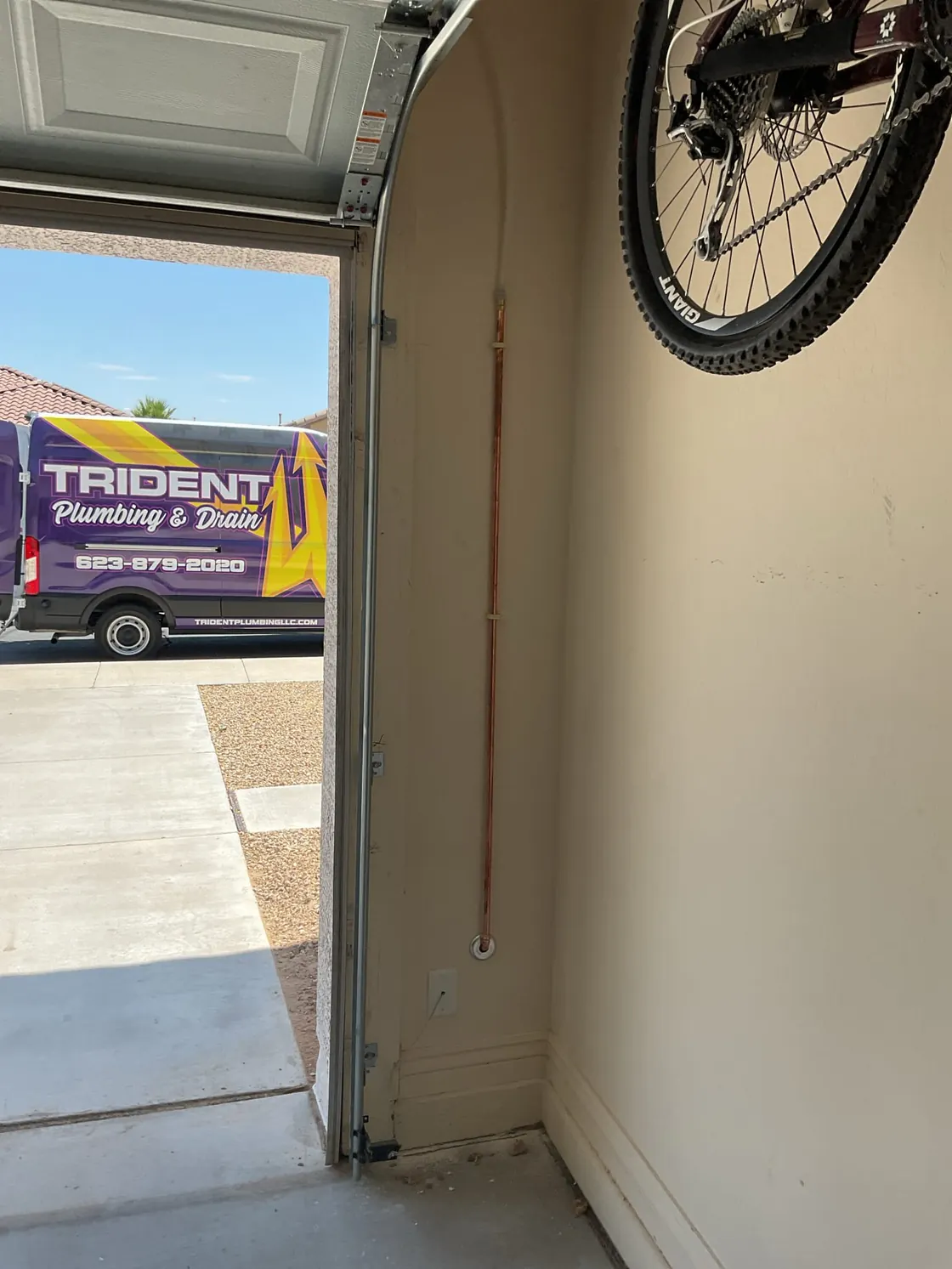
A Trident van seen through an open garage door, with new copper pipe on the garage wall
A Trident van outside, with copper piping inside the garage.

When to repipe

Signs your pipes may need replacing
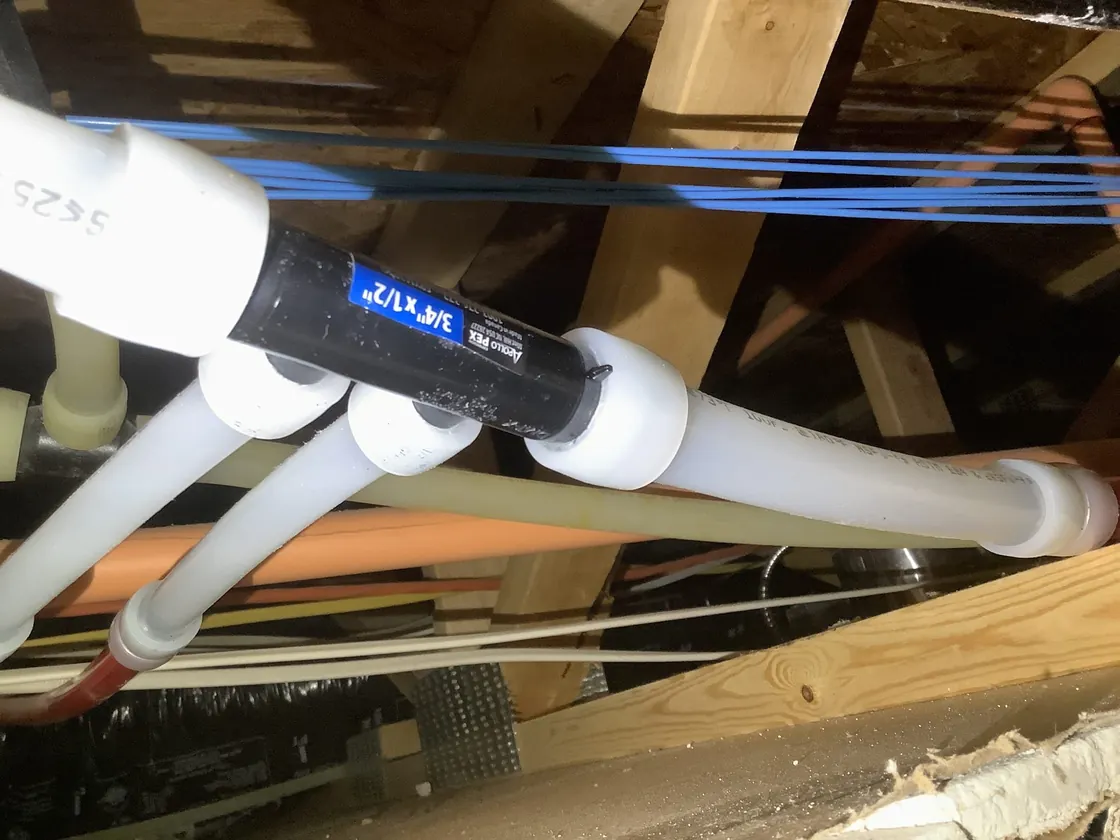
Water supply pipes and fittings running across attic framing
Water supply piping in an attic.

Copper, brass and galvanized steel pipes can corrode, rust and develop leaks over time. Brown or yellow water from the taps may point to corrosion inside the pipes, and pressure that drops throughout the home can mean buildup or corrosion is narrowing them.

Leaks that keep appearing in different places, or water damage with no single obvious cause, can also suggest the piping as a whole is wearing out. None of these signs settles the question alone; an inspection of the pipes determines whether replacement is needed.
Compare materials

Choosing a material for whole-house repiping

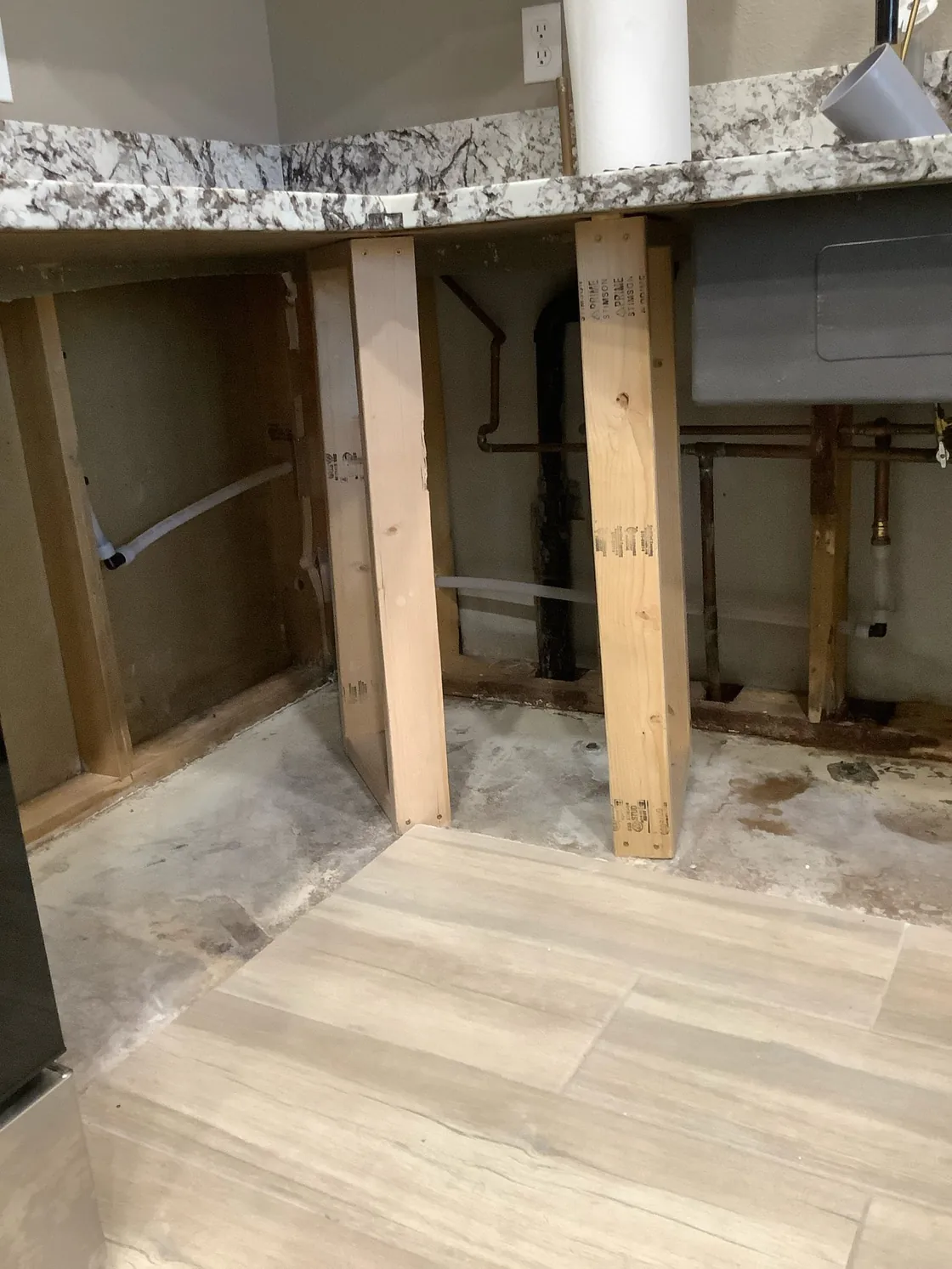
Rerouted plumbing visible inside an opened wall
A water line reroute visible before the wall is closed.

Copper is durable, resists corrosion and has a long service life, though it can cost more than other options. PEX, short for cross-linked polyethylene, is flexible, resists corrosion and is generally easier to install. It comes in different colors to separate hot and cold lines.

CPVC is a corrosion-resistant plastic suited to both hot and cold lines. It generally costs less than copper, though it may not last as long as copper or PEX. The right choice depends on your budget, local building codes and the layout of the home.

One leak or many

Repairing a section or repiping the home

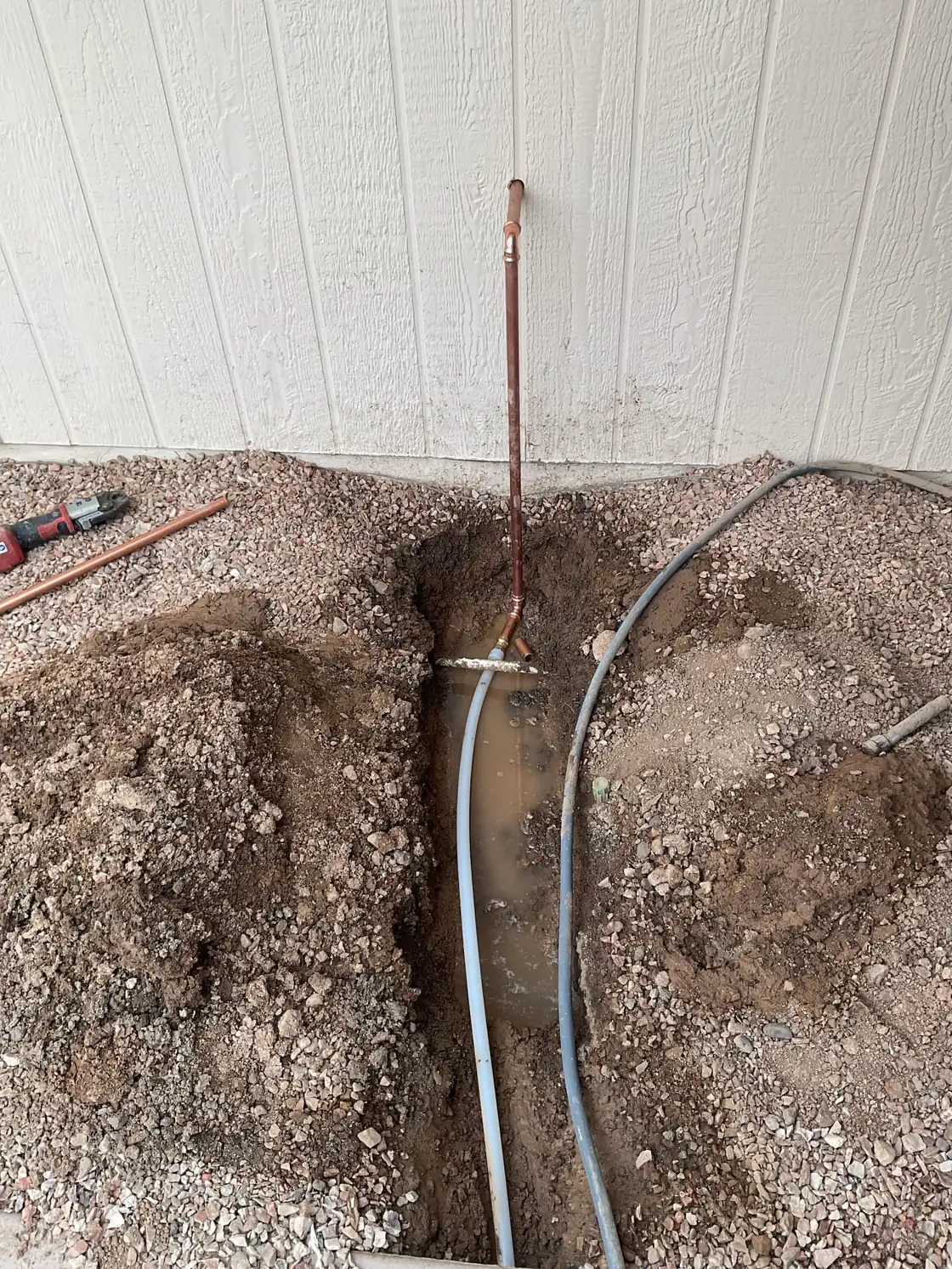
A replacement water line routed through an excavated trench
A water line reroute during installation.

A single leak in otherwise sound pipe can usually be repaired on its own. When leaks recur in different places, or the inspection shows corrosion along much of the system, repairing one spot at a time may only delay the next failure.

Ask the technician what the inspection showed about the pipes beyond the current leak and how a repair compares with replacement in your situation. If a larger repiping project is the right step, financing options exist.

Plan the project

Preparing for a repiping project

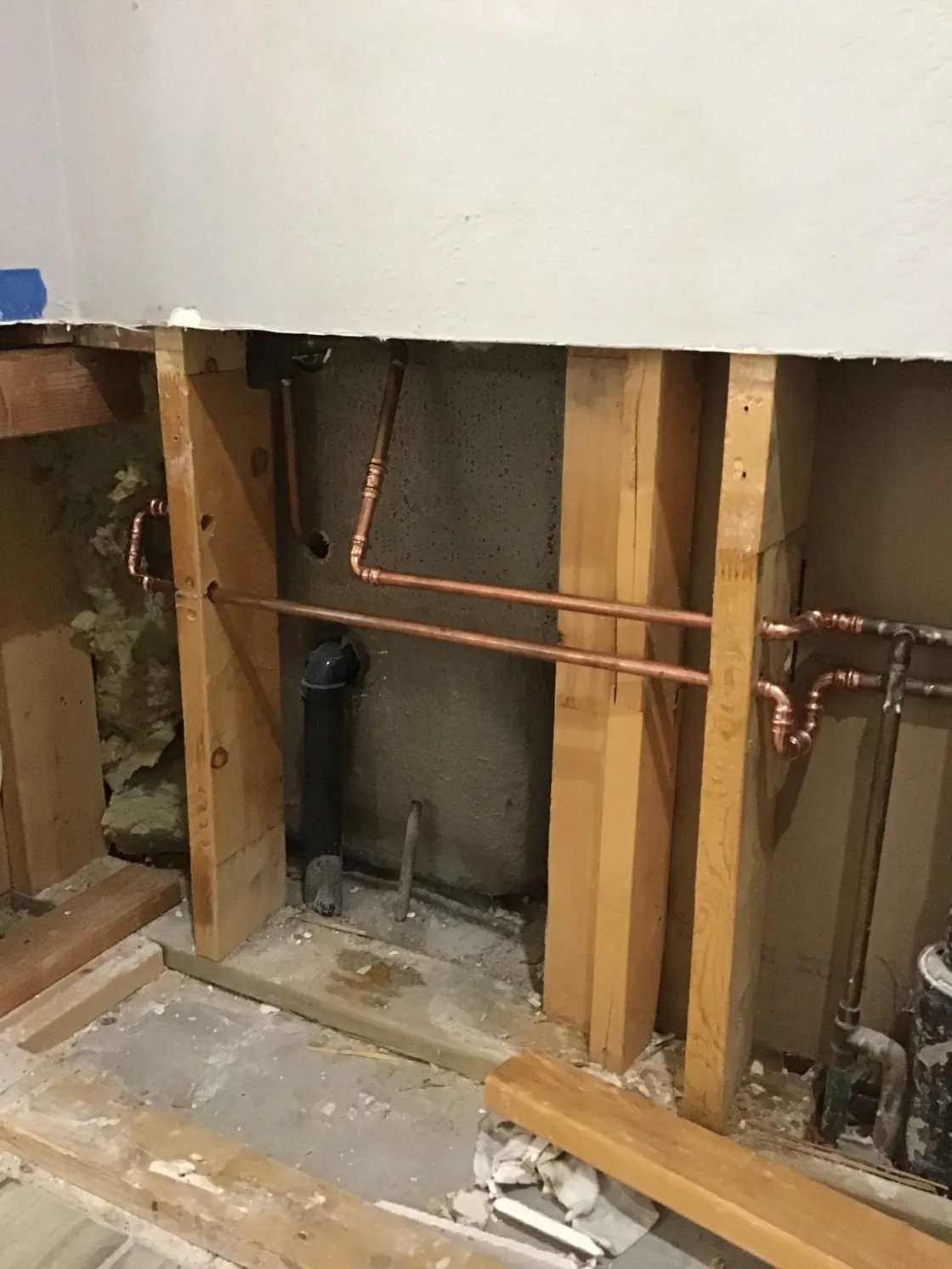
Copper supply pipes routed through exposed wall framing
Copper supply piping routed through accessible wall framing.

Repiping means reaching pipes inside walls, ceilings or other parts of the building, so planning matters. Ask which rooms will need access, how water service will be affected while the work is under way and what the proposed scope includes.

If wall or ceiling finishes need attention after the plumbing is done, clarify who handles that part. Keeping the inspection findings and the chosen material on record makes later maintenance and any future plumbing work easier to plan.

Decades of service

Older homes, original pipes and the line to the street

Census estimates count about 98,400 homes and apartments in Glendale. About 57% were built before 1990, nearly half in the 1970s and 1980s, and the median home dates from 1987. Age does not settle whether a home needs repiping, but it frames the conversation: in a house that has had its pipes for decades, repeated leaks, discolored water or falling pressure deserve an inspection of the whole system, not just the latest failure.

The pipe from the street to your house is a separate question. The City reviewed records for more than 30,000 service lines, the pipes between the water main and a home, and found 98% copper with no lead or galvanized lines identified. Its interactive map shows the material at your address, and City staff will check a service line for lead at no charge on request. Inside the property, City Code makes the owner responsible for maintaining the lines, and that is where repiping happens.

Project scope

What sets the size of a repiping quote

Repiping cost follows the size and layout of the house and how the new lines will be routed. Expect the quote to turn on these points.

GreenSky® financing is available for a project this size. Before work begins, our team explains the scope, the pipe material and how water service will be affected during the job.

  • Square footage, number of stories and the count of fixtures to reconnect.
  • The new pipe material and how many fittings the layout needs.
  • The path the new lines take and how many walls or ceilings must be opened.
  • A pressure reducing valve, where the City's 80 psi policy applies.
  • Wall and ceiling repairs once the new piping is in place.

Pipes and home age

Age and pressure in Glendale homes

Repiping decisions start with how old the plumbing is and how hard the water pressure pushes on it.

Median build year of Glendale's housing
1987

Census estimates put the city's median home at 1987, so a typical house here was plumbed close to 40 years ago.

Source: Census Reporter, 2024 ACS data (opens in a new tab)
Homes and apartments built before 1990
57%

Roughly 56,000 homes in the city date from before 1990. Their supply lines and fittings have seen the most years of use.

Source: Census Reporter, 2024 ACS data (opens in a new tab)
Where City policy calls for a pressure reducing valve
Over 80 psi

A City technical guideline issued in 2016 calls for a pressure reducing valve where area pressure exceeds 80 psi. If that valve fails, the higher pressure reaches every pipe.

Source: City of Glendale, Pressure Reducing Valve guideline (opens in a new tab)

Your local team

Here for your
Glendale home.

Our Peoria office serves Glendale. Call about your address, tell us what needs attention, and we'll help you arrange service.

Explore Glendale on the map (opens in a new tab)
Glendale, ArizonaLocal service
Glendale and Trident's Peoria office Major roads near Glendale, with separate markers for the city location and the Peoria office that serves it. PhoenixYoungtownSurprise
City locationTrident office
Roads © OpenStreetMap (opens in a new tab) contributors. Locations: U.S. Census Bureau.

Your Peoria team

Find out what condition your pipes are in

Ask our Peoria office to arrange an inspection of the piping at your Glendale home.

Peoria office
26134 N. 121st Ave
Peoria, AZ 85383
Office directions (opens in a new tab)Send a service request

Trident memberships

Yearly care, 10% off repairs.

  • Preventative maintenanceOne year: water heater flush, whole-home inspection, 10% off plumbing services, waived emergency fee
  • Salt serviceOne year: softener salt added every 6–8 weeks
  • Reverse osmosisFive years: annual filter changes; sanitizing not included

Ask our Peoria team for current pricing.

From a Trident customer

Good work.
Real experiences.

Read more customer stories
The Trident team standing together in front of their purple and gold service vans
The Trident team from our Peoria office.
We had one of those Saturdays that started out great until water starting coming out of one of our ceiling lights… she sent Quintin who got right on the problem and had us all fixed up in no time.
Edward O.Peoria Google review ·

Answers before you book

Questions about
repiping in Glendale.

Questions about repiping in Glendale? Start here, or tell us what is happening at your home.

Ask our team
How do I know if my home needs repiping?

Discolored water, low pressure and repeated leaks are common reasons to look closer. An inspection of the existing pipes determines whether replacement is needed or a repair will do.

Which pipe material do you recommend?

It depends on the home, the budget and building code requirements. Trident explains the options, including copper, PEX and CPVC, and recommends a material for your situation.

Can one leaking section be repaired instead?

Often, if the rest of the piping is in sound condition. If leaks keep appearing in different places, a wider replacement may be worth discussing.

Do you install new pipe as well as replace old pipe?

Yes. Trident provides pipe installation as well as repiping. Describe the project, such as adding a fixture or moving a line during a remodel, when you get in touch.

Are there lead water lines in Glendale?

The City's 2025 water quality report says its November 2025 inventory documented zero lead service lines and zero unknown service lines, for both the City-owned and customer-owned portions. That covers the pipe from the main to your house. Piping and fixtures inside the home are a separate question.

Do I need a pressure reducing valve?

It depends on your area. A City technical guideline issued in 2016, and still posted on the City's Building Codes page, calls for a pressure reducing valve wherever water pressure in the area exceeds 80 psi, based on a 2008 City pressure zone map. The valve can sit right after the meter or anywhere downstream before the line enters the building.

24 hours · 7 days

Find out what condition your pipes are in

Ask our Peoria office to arrange an inspection of the piping at your Glendale home.

Call Now Book Online