The Real Cost of Ignoring a Slow Drain in Your Arizona Home




September 2, 2026
A slow drain rarely feels like an urgent plumbing problem. The sink still empties. The shower water eventually disappears. The kitchen remains usable. It is easy to decide that the problem can wait.
But a drain that has noticeably slowed down is telling you that wastewater is no longer moving through the plumbing as freely as it should. Hair, soap residue, grease, food debris, mineral deposits, and other materials can gradually restrict the inside of a drainpipe. As more material collects, a minor slowdown can progress into a stubborn clog, recurring blockage, or wastewater backup.
For Arizona homeowners, recognizing that warning early can make the difference between dealing with a manageable drain problem and facing a much more disruptive one.
Summary: Why You Should Not Ignore a Slow Drain
A slow drain is usually a symptom of a developing restriction somewhere in the drainage system. While an isolated slow sink may have a relatively simple clog, recurring or widespread drainage problems can point to something farther inside the plumbing.
The most important things to know are:
- Slow drainage often becomes worse as additional debris collects.
- Bathroom drains commonly accumulate hair and soap residue.
- Kitchen drains can develop grease, food, and other buildup.
- Mineral deposits may contribute to buildup in Arizona plumbing.
- A clog that repeatedly returns may not be fully removed.
- Several slow drains can indicate a problem in a shared drain or sewer line.
- Gurgling, odors, and wastewater backups are signs that the problem deserves prompt attention.
- Professional drain cleaning and repair may be necessary when the obstruction is recurring, inaccessible, or affecting multiple fixtures.
What Is Your Slow Drain Trying to Tell You?
Residential drains are designed to carry wastewater away efficiently. If a sink, shower, or bathtub suddenly takes noticeably longer to empty, something has changed.
In many cases, the problem develops gradually. A small amount of material collects inside the pipe and begins restricting the available opening. Additional debris sticks to that buildup, narrowing the pathway even further.
This explains why homeowners often notice a progression:
Normal drainage → slightly slower drainage → standing water → recurring clog → complete blockage
The exact progression varies, and not every slow drain becomes a major plumbing problem. What matters is that a drain getting progressively slower usually has an underlying cause.
Addressing that cause while water is still flowing gives you more options than waiting until the fixture becomes unusable.
Common Causes of Slow Drains in Arizona Homes
The likely cause often depends on which fixture is affected.
Hair and Soap Buildup in Bathroom Drains
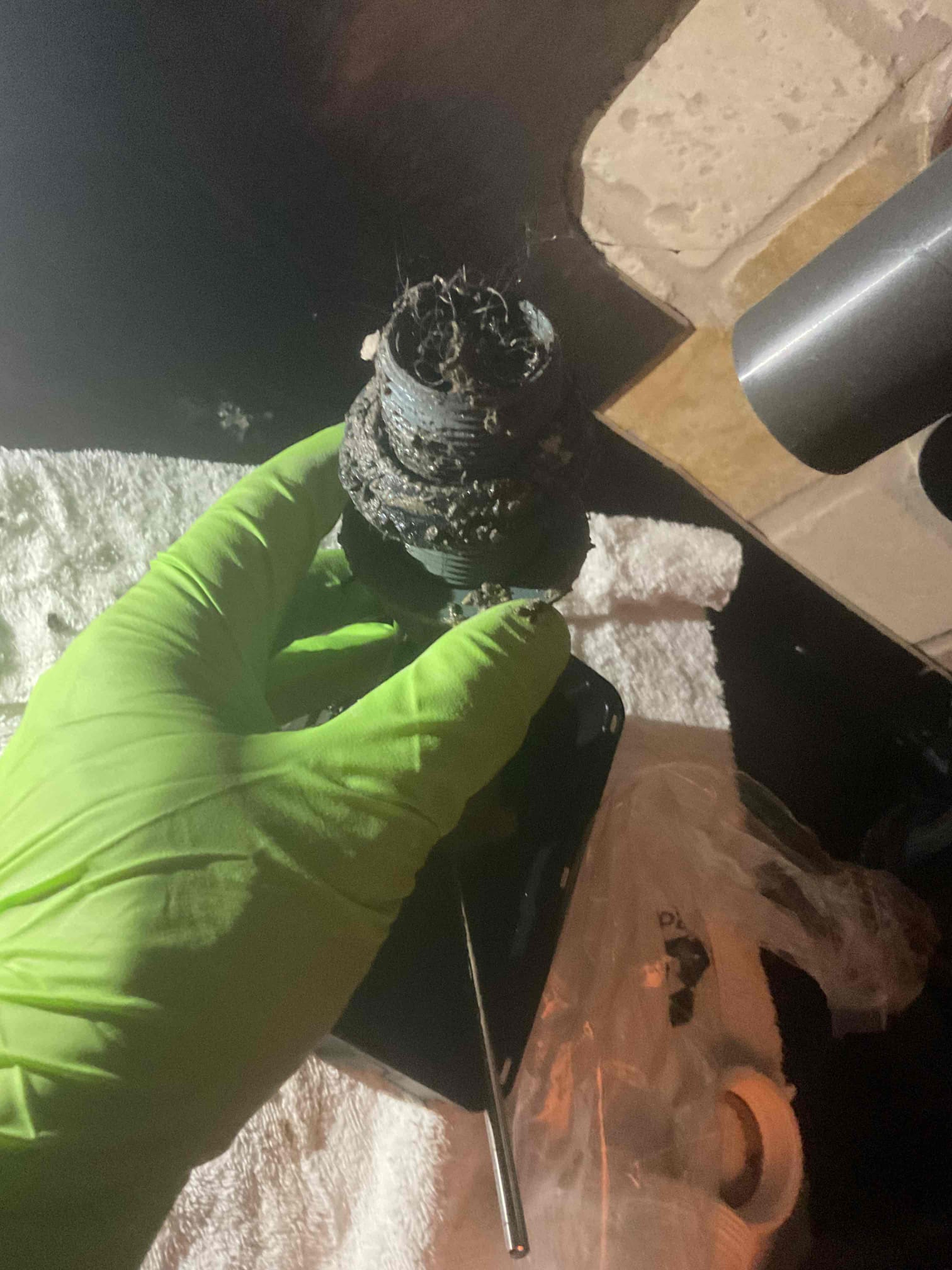
Bathroom sinks, showers, and bathtubs regularly encounter hair, soap, toothpaste, shaving products, skin oils, and other residue.
Hair can become tangled inside a drain and create a structure that catches additional debris. Soap residue can then collect around it, gradually forming a more substantial obstruction.
A shower may initially drain just slowly enough that you barely notice. Eventually, water can begin pooling around your feet.
The same buildup can occur in bathroom sinks and tubs. If you are experiencing several fixture-related problems, Trident’s bathroom plumbing services cover a range of bathroom plumbing concerns.
Grease and Food Buildup in Kitchen Drains
Kitchen drains face a different problem.
Cooking grease, fats, oils, food particles, soap, and other residue can accumulate inside the drainage piping. Grease is particularly troublesome because it may enter the drain as a liquid but cool farther inside the plumbing.
Once a coating develops, additional food particles and debris can stick to it.
A garbage disposal does not make every type of food waste safe for the drain. It simply breaks appropriate food scraps into smaller particles that still need to travel through the drainage system.
Keeping grease and inappropriate food waste out of the sink can help reduce preventable kitchen drain problems. Homeowners experiencing broader issues around sinks, disposals, or other kitchen fixtures can also explore Trident’s kitchen plumbing services.
Mineral Buildup
Arizona’s mineral-rich water is another factor worth considering.
Mineral deposits can accumulate on plumbing surfaces over time. These deposits are not responsible for every slow drain, but they can contribute to narrowing and rougher surfaces inside some plumbing lines.
When mineral deposits combine with grease, soap, hair, and other debris, the resulting buildup may become increasingly difficult to address with a simple surface-level fix.
This is one reason recurring drainage problems should be evaluated based on what is actually happening inside the plumbing rather than automatically assuming every slow drain has the same cause.
When One Slow Drain Becomes a Bigger Warning
The number of affected fixtures can provide an important clue.
If one bathroom sink drains slowly while every other fixture works normally, the problem may be localized near that sink.
If several fixtures begin draining slowly at approximately the same time, the situation deserves more attention.
Watch for combinations such as:
- Multiple slow drains
- A toilet that gurgles when a sink drains
- Water appearing in a shower when a toilet is flushed
- Recurring clogs in different rooms
- Sewer-like odors from several drains
- Wastewater backing up through a bathtub, shower, or floor drain
These symptoms can indicate that the restriction is located in a shared portion of the drainage system rather than directly beneath one fixture.
Problems affecting a larger portion of the system may require evaluation of the home’s sewer services needs rather than repeatedly treating individual fixtures.
The Warning Signs That Mean a Slow Drain Is Getting Worse
Drain speed is only one symptom to watch.
The Drain Keeps Slowing Down
A drain that becomes progressively slower suggests that the restriction may be increasing.
If water took a few extra seconds to disappear last month but now sits in the basin for a minute, the trend matters.
The Same Clog Keeps Coming Back
Temporary improvement does not necessarily mean the pipe is clean.
If the same drain slows again shortly after you clear it, material may remain farther inside the line. The opening may have been restored without fully addressing the buildup.
You Hear Gurgling
Gurgling or bubbling can occur when air and wastewater are not moving normally through the drainage system.
An occasional sound does not diagnose a specific problem, but persistent gurgling combined with slow drainage deserves attention.
You Notice Persistent Drain Odors
Material trapped inside a drain can hold organic debris and produce unpleasant odors.
Persistent sewer-like smells can also have other plumbing causes. If an odor repeatedly returns despite cleaning around the fixture, masking the smell will not solve the underlying issue.
Water Begins Backing Up
A backup is a much clearer indication that wastewater cannot move through the system normally.
Water returning through another fixture is particularly important. If running one plumbing fixture causes water to appear somewhere else, the restriction may be farther downstream.
At that point, the problem has moved beyond an inconvenient slow drain and should be investigated promptly.
The Real Cost of Waiting to Fix a Slow Drain
The biggest problem with ignoring a slow drain is that the restriction causing it usually does not disappear on its own. Additional hair, grease, soap, food particles, and other debris can continue collecting until the opening becomes even smaller.
The result can turn a manageable problem into one that is harder to ignore.
Cost #1: A Partial Clog Can Become a Complete Blockage
A partially clogged pipe still gives wastewater somewhere to go. A complete blockage does not.
Once that happens, the affected sink, shower, bathtub, or other fixture may become unusable. Instead of scheduling service when it is convenient, you may need to deal with a plumbing problem immediately.
This is one of the simplest reasons not to wait. Addressing a drain while it is still flowing gives you time to investigate what is causing the slowdown before normal use is interrupted.
Cost #2: Wastewater Can Back Up Into Your Home
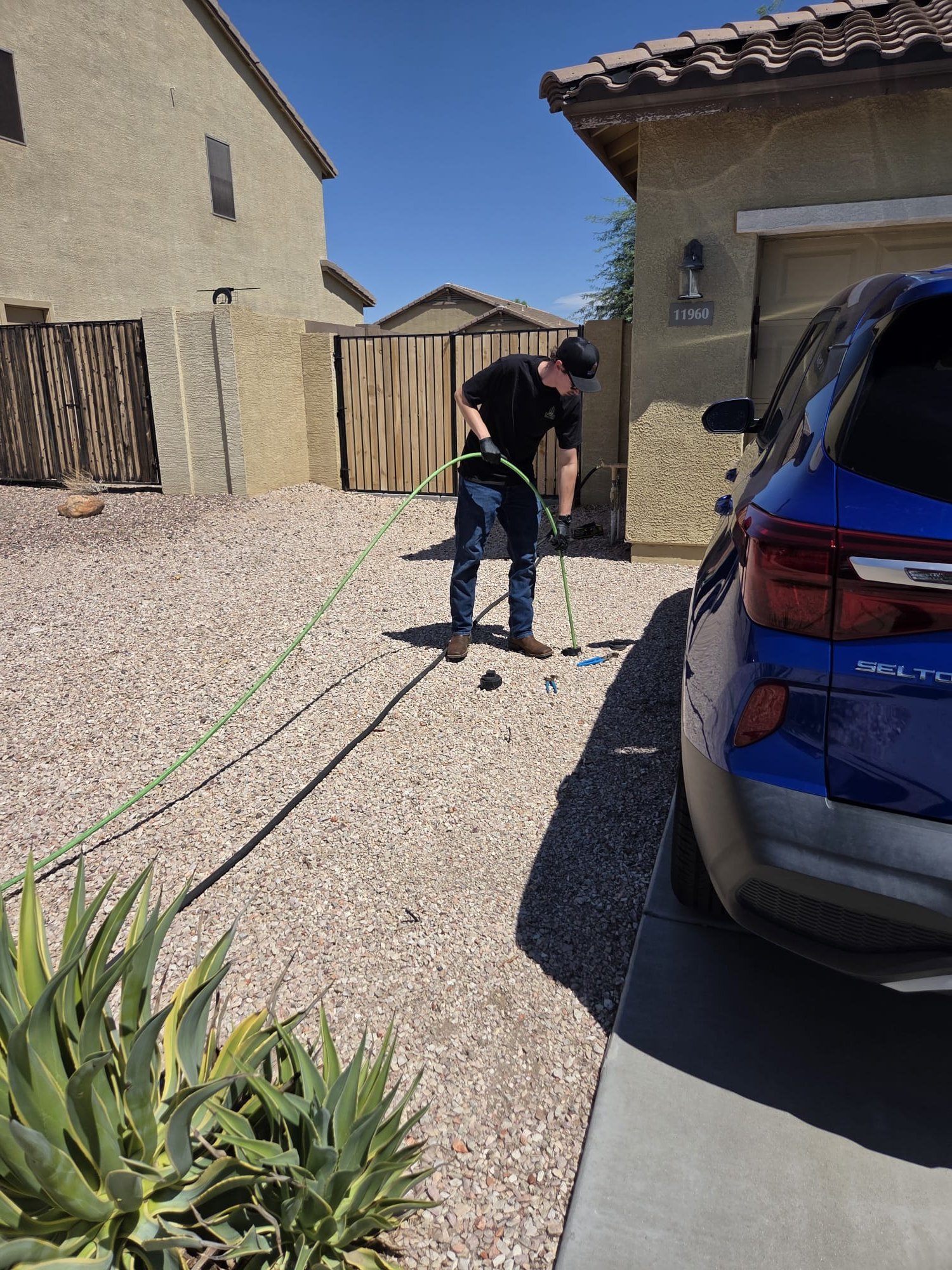
As a blockage becomes more severe, wastewater may begin moving in the wrong direction.
Depending on where the restriction is located, you might notice:
- Water returning into a sink
- Dirty water appearing in a shower or bathtub
- A toilet that does not flush normally
- Water rising in one fixture when another is used
- Wastewater appearing at a low-level drain
A backup creates more than an inconvenience. Wastewater can create sanitation concerns and may damage surrounding flooring, cabinetry, or other materials if it escapes the fixture.
If wastewater is actively backing up or you suddenly lose the use of essential plumbing fixtures, Trident’s emergency plumbing service is an existing resource for urgent plumbing problems.
Cost #3: Temporary Fixes Can Become a Recurring Expense
A slow drain often leads homeowners to try the fastest available DIY solution.
Removing visible hair or debris near a drain opening can sometimes resolve a simple clog. The warning sign is when the same problem keeps returning.
If you repeatedly clear a drain only for it to become slow again, the underlying buildup may remain farther inside the pipe.
This can create a cycle:
Slow drain → temporary improvement → slow drain returns → another temporary fix
Repeatedly spending time and money on the symptom makes less sense when the underlying restriction continues to grow.
Chemical drain cleaners also do not address every type of blockage. If you have used one and later call a plumber, tell the technician what was poured into the drain because residual chemicals may create a safety concern during service.
Cost #4: The Problem Can Spread Beyond One Fixture
One slow sink and several slow drains do not necessarily mean the same thing.
When multiple fixtures become affected, the restriction may be located in a shared portion of the drainage system. Continuing to treat each drain individually can delay identification of the larger problem.
This is particularly important when slow drainage occurs alongside gurgling toilets, recurring backups, or wastewater appearing in another fixture.
The pattern of symptoms can tell you as much as the individual clog.
Cost #5: You May End Up Needing More Urgent Plumbing Service
A slow drain gives you a warning while the fixture remains usable.
Ignoring that warning reduces the amount of control you have over when the problem needs attention.
Once the drain becomes completely blocked or wastewater begins backing up, postponing service may no longer be practical. That can mean rearranging your schedule, losing access to an important fixture, or dealing with cleanup that would not have been necessary when the drain was merely slow.
Not every slow drain will turn into an emergency. The point is that waiting gives a developing obstruction more opportunity to become one.
When Professional Drain Cleaning Makes Sense
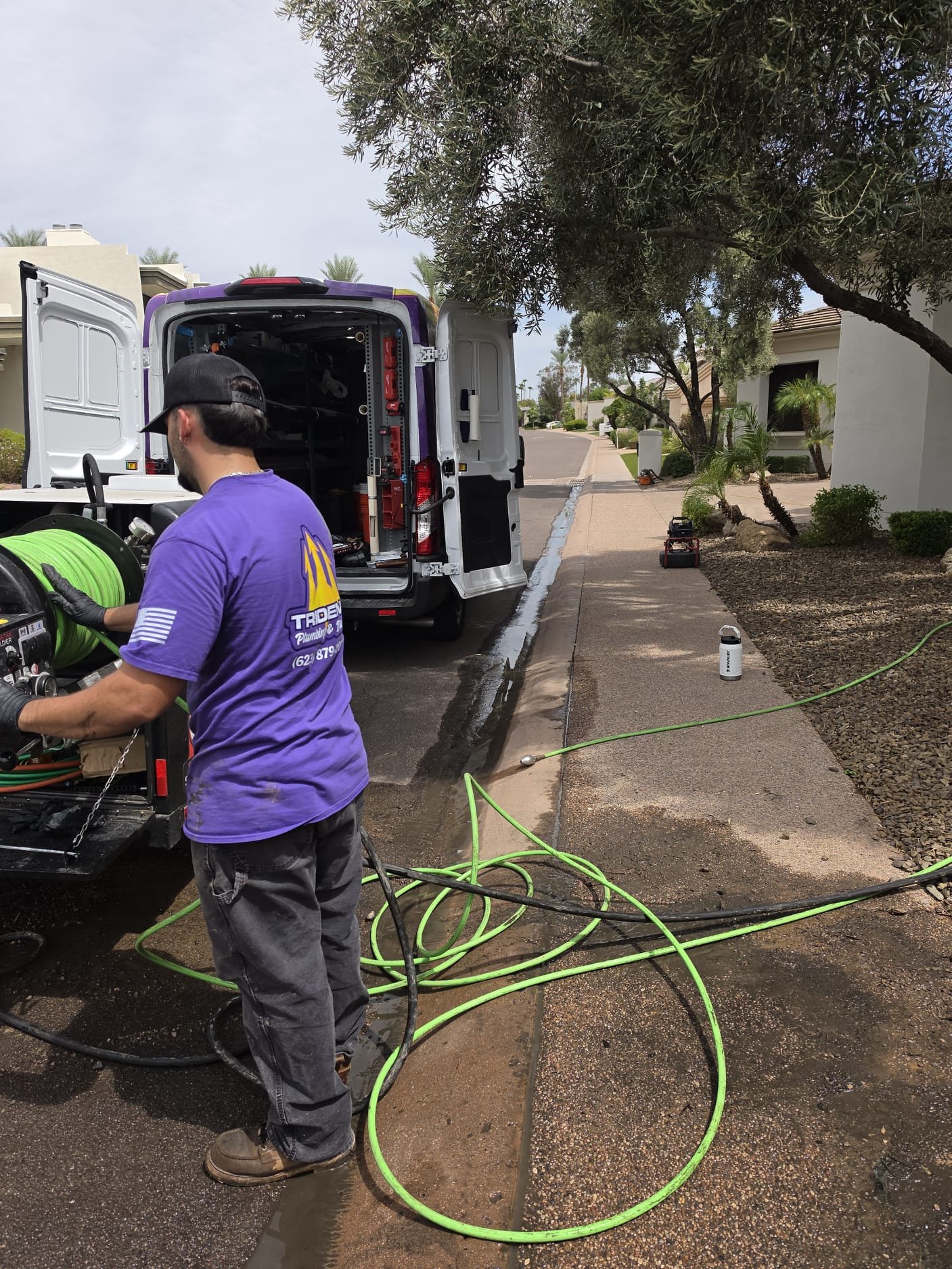
Professional drain cleaning service becomes worth considering when:
- The same drain repeatedly becomes slow
- DIY methods provide only temporary relief
- Several fixtures are affected
- Gurgling or odors persist
- Water backs up into another fixture
- The obstruction appears to be deeper inside the line
- A drain stops flowing completely
The appropriate method depends on the type and location of the obstruction.
Drain Snaking
A drain snake or auger can reach obstructions located farther inside a drain line. Depending on the clog, it may break through or remove the material and restore normal drainage.
Snaking can be effective for many concentrated blockages, but creating an opening through an obstruction is not always the same as cleaning extensive buildup from the interior surfaces of the pipe.
Hydro Jetting
For some heavily coated or recurring drain lines hydro jetting may be appropriate.
Hydro jetting uses high-pressure water to clean buildup from suitable drain and sewer piping. Whether it is appropriate depends on the condition of the plumbing and the nature of the problem.
A professional assessment helps determine which method makes sense instead of treating every slow drain exactly the same way.
Slow Drain Warning Signs at a Glance
|
What You Notice |
What It May Mean | What to Do Next |
| One drain is slightly slower | Local buildup may be developing |
Remove accessible debris and monitor it |
|
The same drain repeatedly slows |
Buildup may remain inside the line | Consider professional drain cleaning |
|
Several drains are slow |
A shared drain may be restricted |
Have the drainage system evaluated |
| Persistent gurgling or odors | Wastewater or air may not be moving normally |
Investigate if symptoms continue |
|
Water backs up into another fixture |
A more significant downstream blockage may exist | Arrange professional plumbing service |
| Wastewater backs up into the home | The drainage problem has become urgent |
Limit water use and seek prompt service |
How to Prevent Slow Drains From Becoming Bigger Problems
You cannot prevent every clog, but a few habits can reduce avoidable buildup.
Keep cooking grease, fats, and oils out of kitchen drains. Use drain screens where appropriate to catch hair and larger debris. Avoid treating the garbage disposal as a trash can, and pay attention when a fixture begins draining differently.
Most importantly, do not normalize a drain that repeatedly becomes slow.
If a sink improves temporarily and then slows again, the recurring symptom is worth investigating.
When Should You Call a Plumber?
A minor, accessible obstruction may be something a homeowner can address. Professional help becomes more appropriate when the symptoms suggest the problem is deeper, recurring, or affecting a larger portion of the plumbing.
Call a plumber when:
- The clog keeps returning
- Drainage becomes progressively slower
- Several fixtures are affected
- Water backs up into another fixture
- Persistent odors or gurgling develop
- The drain stops flowing
- You suspect a larger drain or sewer-line problem
Professional diagnosis can help determine whether the issue requires straightforward drain clearing, more thorough cleaning, or investigation of another plumbing problem.
The objective is not simply to make water disappear down the drain again. It is to restore normal drainage and understand why the problem developed.
Frequently Asked Questions About Slow Drains
Will a Slow Drain Eventually Unclog Itself?
Do not count on it.
A minor obstruction may shift and temporarily improve drainage, but recurring slow drainage often means material remains inside the pipe. If the drain continues getting slower, investigate the cause rather than waiting for it to disappear.
Why Does My Drain Keep Getting Slow After I Clear It?
The obstruction may not have been completely removed.
For example, a temporary fix may create enough space for water to flow while grease, soap, hair, mineral deposits, or other material remains along the pipe.
Recurring symptoms are a good reason to consider professional drain cleaning.
Can Hard Water Contribute to Slow Drains in Arizona?
Mineral deposits can accumulate on plumbing surfaces over time and may contribute to restrictions in some pipes.
However, mineral buildup is only one possibility. Hair, soap residue, grease, food particles, and foreign objects are also common causes. The actual source should be identified rather than assuming hard water is responsible for every slow drain.
Why Are Several Drains Slow at the Same Time?
Multiple slow drains can indicate a restriction in a shared section of the drainage system.
If you also notice gurgling toilets, wastewater appearing in showers or tubs, recurring odors, or backups, the problem deserves professional evaluation.
What Is the Difference Between Drain Snaking and Hydro Jetting?
Drain snaking uses mechanical equipment to reach and address an obstruction. It can be effective for many concentrated clogs.
Hydro jetting uses high-pressure water to clean buildup from appropriate drain and sewer lines. The condition of the plumbing and type of blockage help determine which approach is suitable.
When Does a Slow Drain Become an Emergency?
A drain problem becomes more urgent when wastewater begins backing up into the home, several essential fixtures stop working, or the blockage creates an immediate sanitation or property-damage concern.
At that point, limit unnecessary water use until the problem can be evaluated.
Fix Your Slow Drain Before a Warning Becomes a Backup

A slow drain is easy to tolerate because the fixture still works. That is also what makes it easy to ignore.
The better approach is to pay attention to the direction the problem is heading. A drain that is progressively slowing, repeatedly clogging, producing odors, or affecting other fixtures is giving you an opportunity to act before normal drainage stops altogether.
Addressing the problem early may help you avoid the inconvenience of a complete blockage or wastewater backup.
If your Arizona home’s drains keep slowing down or the same clog continues returning, Trident Plumbing & Drain can evaluate the problem and recommend an appropriate solution.
Call Trident Plumbing & Drain today to get your drains flowing properly again.
by Weslo Digital