
How to Read Your Water Meter and Detect a Hidden Leak




August 27, 2026
A water leak does not always announce itself with a dripping faucet, a puddle under the sink, or water running down a wall. Some of the most troublesome plumbing leaks can remain out of sight while quietly wasting water and increasing your monthly utility bill.
Fortunately, your water meter can provide an important clue.
Learning how to read your water meter gives you a simple way to determine whether water may be flowing somewhere on your property when it should not be. It cannot tell you exactly where every leak is located, but it can be an effective first step in water leak detection, especially when you have noticed an unexplained increase in water use.
Summary: How to Check Your Water Meter for a Leak
If you want to perform a quick water meter leak test, start with these basic steps:
- Turn off every source of water.
- Locate your water meter.
- Check the meter display.
- Record the reading.
- Wait without using water.
- Read the meter again.
- Investigate common causes.
- Call a plumber when you cannot locate the source.
Do not assume that meter movement automatically means a pipe is leaking. Certain equipment can use water automatically, which is why preparing your home properly before the test matters.
Why Your Water Meter Is Such a Useful Leak Detection Tool
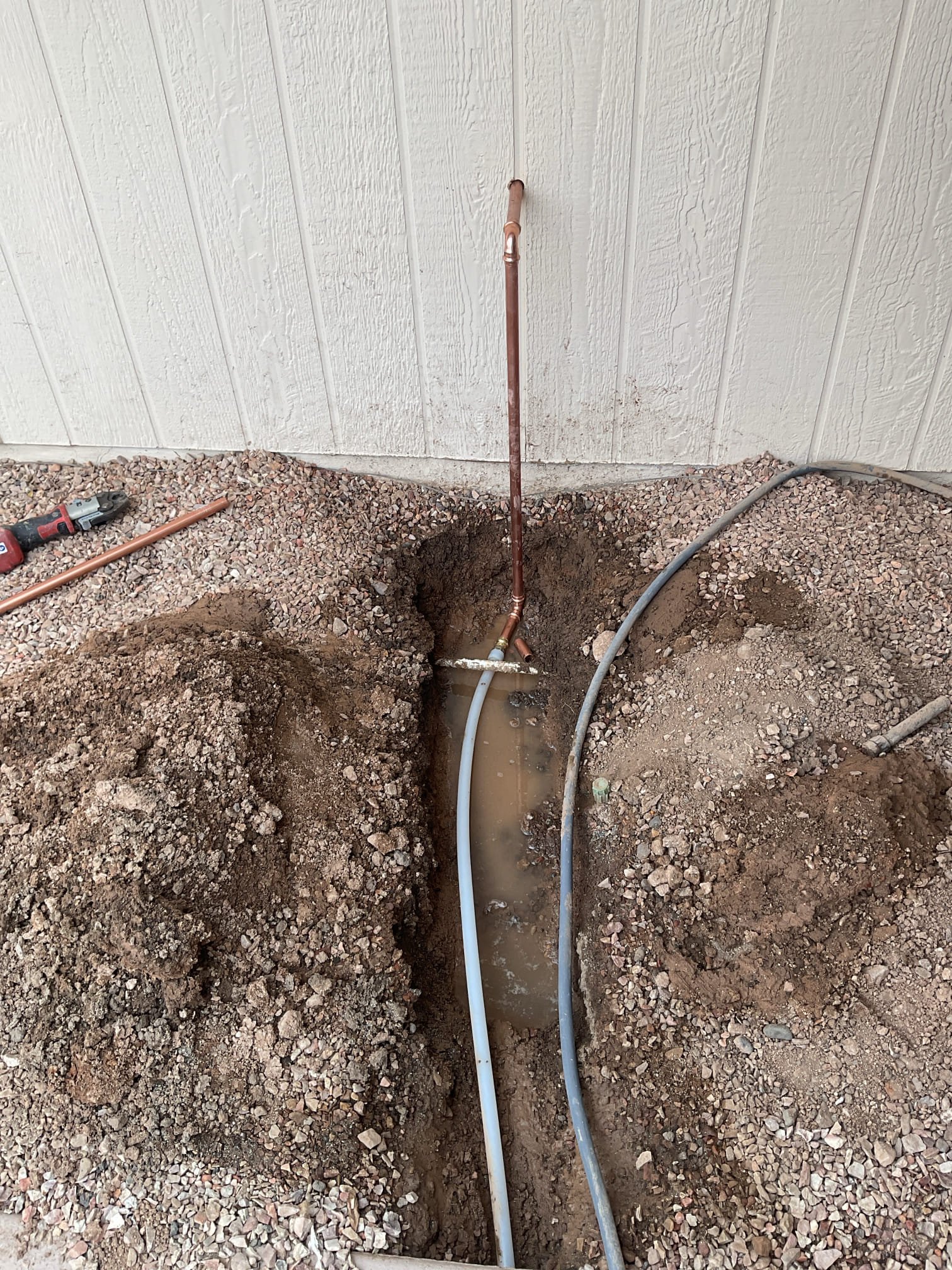
Most homeowners think about their water meter primarily in connection with their utility bill. In reality, it can also function as a basic diagnostic tool.
Your meter records water passing from the public water supply into your property’s plumbing system. If no one is intentionally using water but the meter indicates continued flow, there is a reason for that consumption.
Sometimes the explanation is harmless. An ice maker may be filling. A water softener may be regenerating. An automatic pool filler may have been activated.
Other times, that unexplained water use is the first warning of a hidden leak.
This makes your meter particularly helpful when you are experiencing a symptom without an obvious source, such as:
- A water bill that suddenly increases
- Water usage that seems high for your household
- The sound of running water when fixtures are off
- Damp areas without an obvious cause
- Unexplained warm areas on a floor
- Reduced water pressure
- Wet or unusually green areas in the yard
- Recurring moisture around walls, cabinets, or flooring
A meter test does not replace professional diagnosis, but it can tell you whether there is unexplained water movement worth investigating.
If that test suggests a leak and you cannot identify its source, professional plumbing services can help determine what is happening before a concealed plumbing problem causes additional damage.
Understanding What Your Water Meter Measures
Before performing a test, it helps to understand what you are looking at.
Water meters measure the volume of water flowing through the water service connection. Depending on your municipality and meter type, the reading may be displayed in gallons or another billing unit.
You may encounter either an analog meter or a digital meter.
Analog Water Meters
A traditional analog meter generally has a numbered register along with one or more moving indicators. Depending on the model, you may see a sweep hand as well as a small leak or low-flow indicator.
As water passes through the meter, these components move.
That movement is what makes an analog meter useful when looking for a hidden leak. If you have carefully stopped all legitimate water use and the indicator continues moving, water is still passing through the meter.
Very small leaks may be harder to identify immediately. In those situations, comparing two readings taken at different times can be more useful than watching the dial for a few seconds.
Digital Water Meters
Many Arizona homes now have digital or smart water meters. Instead of relying on a mechanical dial, these meters use a digital display.
The exact display varies by meter model and water provider. Some show both total consumption and current flow rate. Some displays cycle between different readings.
The principle remains the same: when everything is supposed to be off, unexpected flow deserves investigation.
How to Read Your Water Meter and Check for a Leak
Now you can perform the actual test.
The process varies slightly depending on whether your home has an analog or digital meter, but the objective is identical: determine whether water continues moving through the meter while all intended water use is stopped.
Look for Immediate Water Flow
Start by observing the meter.
On an analog meter, look at the sweep hand and any small low-flow or leak indicator. If either continues moving while every water source is off, water is still passing through the system.
On a digital meter, locate the current flow-rate screen if your model provides one. Phoenix recommends watching the digital flow-rate display through multiple flashes. A reading above zero can indicate continuous water flow.
Do not immediately start opening walls or digging up your yard. At this point, you know there may be unexplained water consumption. You do not yet know its source.
Record the Exact Meter Reading
A larger leak may create obvious movement. A very small leak may not.
Record the current meter reading as precisely as you can. Taking a photograph with your phone can also help you compare the display later.
Then leave the plumbing system unused.
Phoenix’s published residential guidance recommends a 20-minute comparison test for slow leaks. If the second meter reading is higher than the first and no legitimate water use occurred, the difference indicates continuous water consumption.
The longer observation helps identify leaks that are too small to produce obvious movement while you stare at the meter.
Compare the Readings
After the test period, check the meter again.
If the reading has not changed, that is reassuring. It means the meter did not register water consumption during the test.
If the reading has changed, something used water.
At that point, the next question becomes much more important:
Where is the water going?
That is where a simple meter check begins to turn into actual water leak detection.
What Your Water Meter Test May Be Telling You
| What You See | What It May Mean | What to Do Next |
| No meter movement and no change in reading | No continuous leak was detected during the test | Continue monitoring if you still suspect an intermittent leak |
| Sweep hand or leak indicator moves with all water off | Water is flowing somewhere in the system | Check toilets, fixtures, irrigation, pool equipment, and other automatic water users |
| Digital flow rate remains above zero | The meter is registering ongoing water use | Confirm all water-using equipment is off, then investigate for a leak |
| Meter changes only slightly over the test period | A small or slow leak may be present | Check common hidden or intermittent leak sources |
| Meter continues moving after the home’s main shutoff is closed | A leak may exist between the meter and the home’s shutoff valve | Have the service line evaluated professionally |
| Meter stops after the home’s main shutoff is closed | The unexplained water use may be somewhere within or around the home’s plumbing system | Inspect fixtures and equipment, then consider professional leak detection |
Could the Problem Be an Underground Water Line Leak?
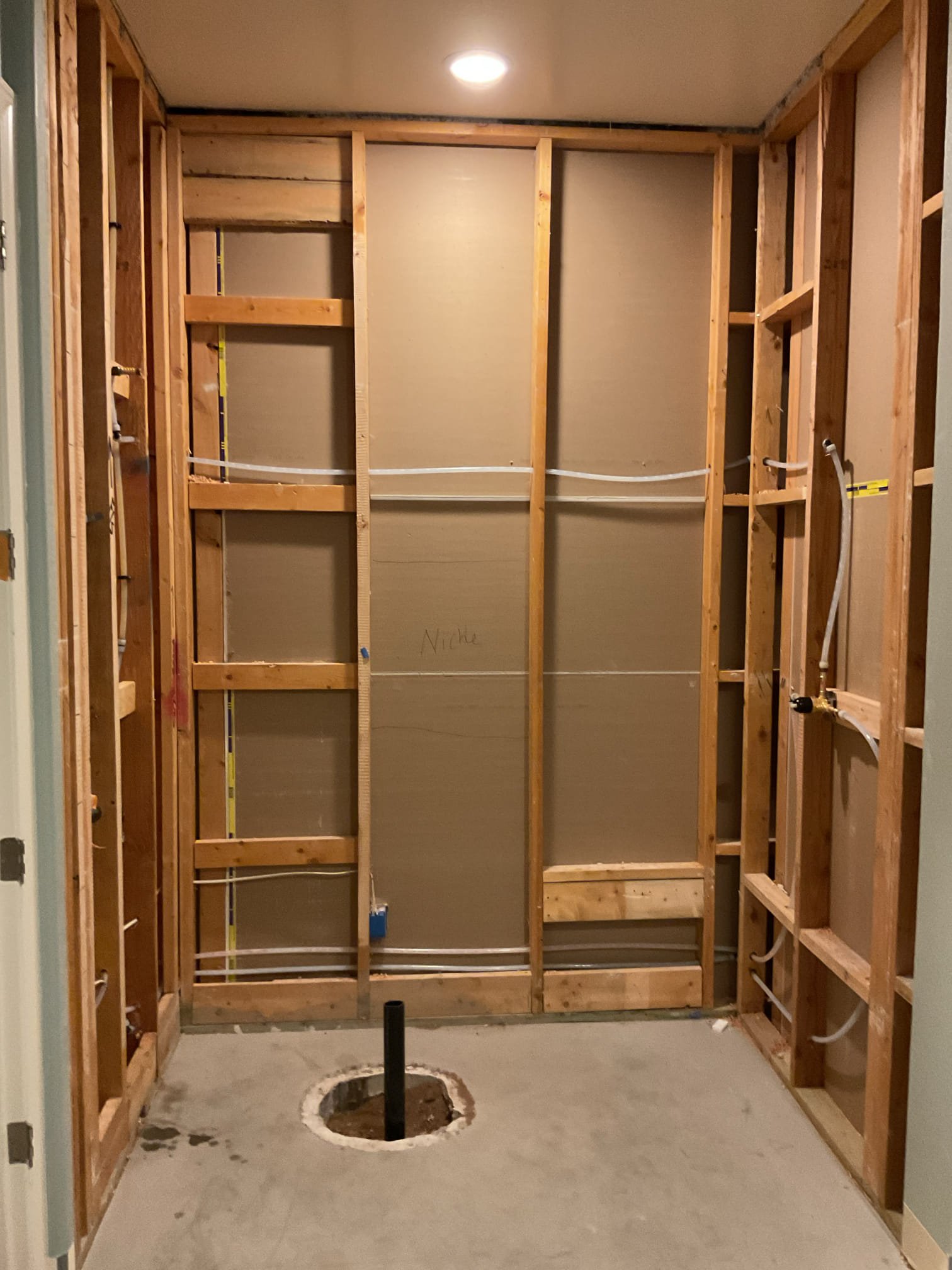
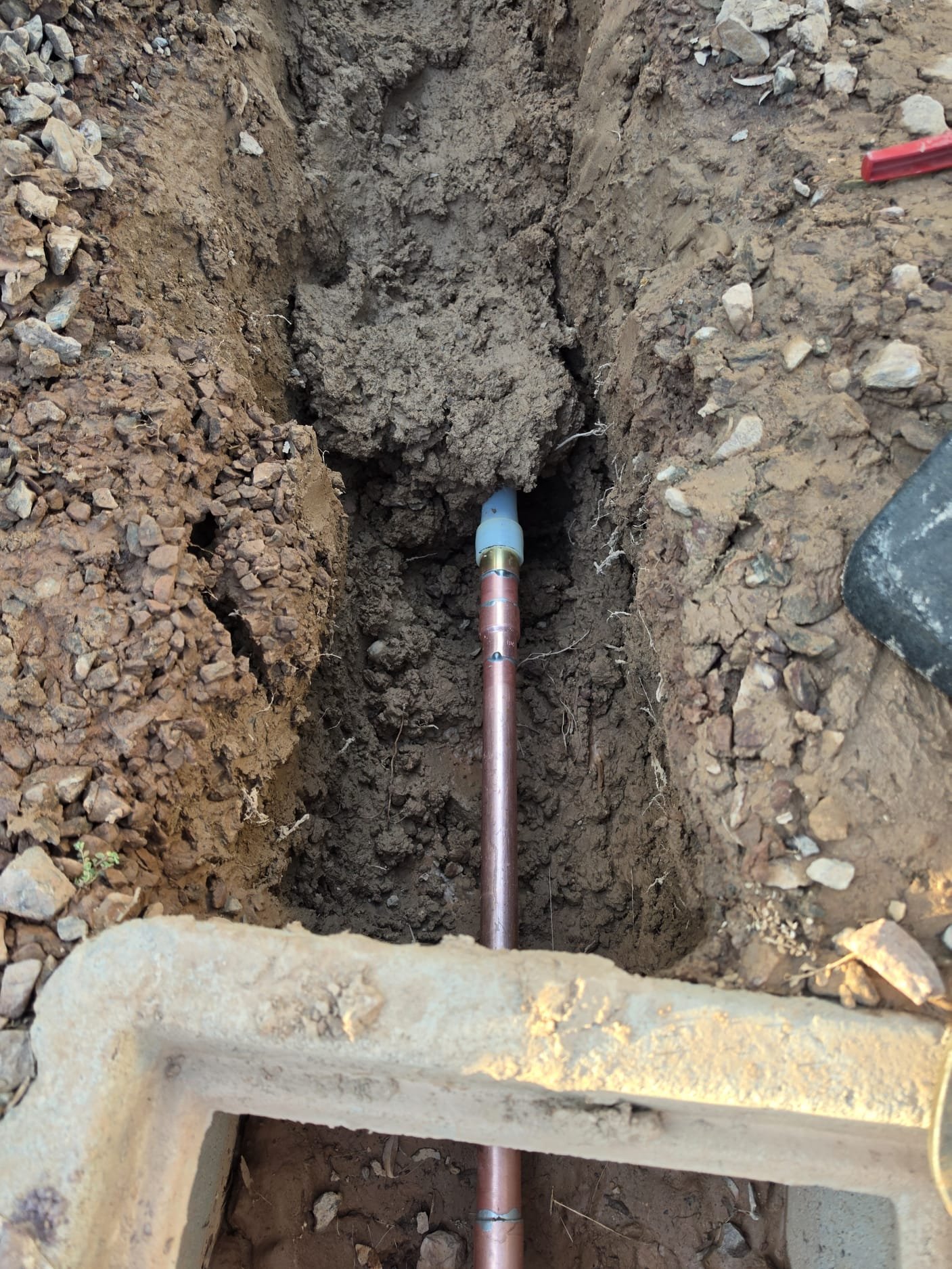
An underground water service line carries water from the meter toward your home’s plumbing system.
When that pipe leaks, the warning signs can be subtle.
Water escaping underground may disperse into the surrounding soil instead of rising immediately to the surface. Depending on the location and severity of the leak, you may notice:
- Unexplained meter movement
- Higher water bills
- Reduced water pressure
- Damp soil
- Soft or unusually muddy ground
- Unexplained vegetation growth
- Water appearing near the foundation
- Erosion or settling
- The sound of water when fixtures are off
A service-line leak deserves prompt attention because the pipe can continue losing water whenever the supply remains on.
If the meter and shutoff test point toward an underground supply pipe, avoid unnecessary digging based only on a guess. Locating the problem accurately can reduce disruption and help determine whether a localized repair or a larger pipe solution is appropriate.
What If the Leak Is Under the Slab?
One of the hidden leaks homeowners tend to worry about most is a slab leak.
A slab leak occurs when water escapes from plumbing located beneath or within the concrete foundation.
Because the affected pipe is concealed, you may not see the source directly.
Instead, the home may provide indirect clues.
Possible Signs of a Slab Leak
Watch for symptoms such as:
- Unexplained water-meter movement
- A sudden or persistent increase in water bills
- Warm areas on the floor
- Damp or wet flooring
- Water appearing near the foundation
- Musty odors
- The sound of running water when fixtures are off
- Cracks or moisture damage that cannot be explained
- Reduced water pressure
No single symptom proves that you have a slab leak.
A warm floor, for example, can have causes unrelated to plumbing. A higher water bill can come from increased irrigation or household usage. Dampness can originate from another source entirely.
The combination of symptoms and unexplained meter movement, however, is a good reason to have the plumbing investigated.
Common Hidden Leak Sources and Clues
| Possible Leak Source | Clues You May Notice | Can the Water Meter Help? | Recommended Next Step |
| Running toilet | Periodic refilling, faint running sound, increased water use | Yes | Perform a toilet dye test and inspect components |
| Faucet or fixture | Dripping, moisture, corrosion, staining | Yes | Inspect the fixture and nearby connections |
| Irrigation system | Wet soil, green patches, broken heads, water near valve boxes | Yes | Turn irrigation off and retest the meter |
| Pool autofill | Frequent filling or unexplained pool water demand | Yes | Isolate or account for the autofill during testing |
| Water softener | Frequent regeneration or water continually going to drain | Yes | Check operating cycle and equipment |
| Underground service line | Meter movement, wet soil, pressure changes | Yes | Perform the main-shutoff isolation test and arrange professional evaluation |
| Slab leak | Warm flooring, unexplained moisture, running-water sounds, high bills | Yes | Schedule professional leak detection |
| Concealed interior pipe | Wall or ceiling stains, dampness, musty odor | Yes | Have the affected plumbing professionally inspected |
What If Your Meter Does Not Move but You Still Suspect a Leak?
A meter test is extremely useful, but a single test cannot rule out every possible plumbing problem.
Some leaks are intermittent.
For example, a toilet may leak only occasionally. Irrigation problems occur when a particular zone operates. An appliance connection may leak only while the appliance is running.
You may also be dealing with moisture that is not coming from the potable water supply measured by the meter.
If you still have unexplained:
- Moisture
- Water staining
- Musty odors
- Flooring changes
- Plumbing noises
- Pressure problems
- Recurring wet areas
do not dismiss those symptoms simply because the meter remained still during one test.
Repeat the test at another time and pay attention to when the suspected problem occurs.
A professional plumbing evaluation can also help separate a supply-side water leak from drainage, fixture, irrigation, condensation, or other moisture-related problems.
Regular plumbing maintenance can also help identify developing plumbing concerns before they become more disruptive. The maintenance page is included in Trident’s supplied sitemap.
How Professional Water Leak Detection Works
Professional leak detection is different from simply looking around the house for water.
When a leak is concealed beneath a slab, underground, behind a wall, or in another inaccessible area, the objective is to narrow down its location as accurately as possible.
The exact approach depends on the plumbing system, symptoms, property layout, and suspected type of leak.
Plumbing System Evaluation
The plumber will first gather information about what you have noticed.
That may include:
- Changes in your water bill
- Meter activity
- Areas of visible moisture
- Changes in water pressure
- Unusual plumbing sounds
- Warm or damp flooring
- When the problem first appeared
- Whether the issue is constant or intermittent
This information can help narrow the investigation before more targeted testing begins.
If you have already performed a meter test, tell the plumber what happened. Let them know whether the meter continued moving after the home’s main shutoff valve was closed and whether you isolated any appliances or outdoor systems.
Those details may save time during the diagnostic process.
Isolating Sections of the Plumbing System
A plumber may isolate different portions of the water supply to determine where water loss is occurring.
This follows the same general logic as the homeowner meter test, but the investigation can become more targeted.
For example, the plumber may need to determine whether the problem involves:
- Interior plumbing
- The service line
- Hot-water piping
- Cold-water piping
- A particular fixture
- An outdoor plumbing connection
- Plumbing beneath the slab
The goal is to reduce the number of possible locations until the likely source can be investigated more closely.
Pressure Testing
Pressure testing may also be useful in some situations.
If a section of the plumbing system cannot maintain expected pressure, that can provide another indication that a leak is present.
A pressure test does not necessarily reveal the exact physical location by itself. Instead, it can become one part of the diagnostic process used to confirm or narrow down the affected plumbing.
Specialized Leak Detection Equipment
Depending on the circumstances, plumbers may use specialized equipment to help locate concealed leaks.
The appropriate equipment varies based on the type of pipe, property, and suspected location. The important point for homeowners is that professional water leak detection can often provide much more information than simply opening walls or digging until the damaged pipe is found.
That matters because unnecessary demolition can increase the disruption and cost associated with a plumbing repair.
What Homeowners Can Safely Do Before the Plumber Arrives
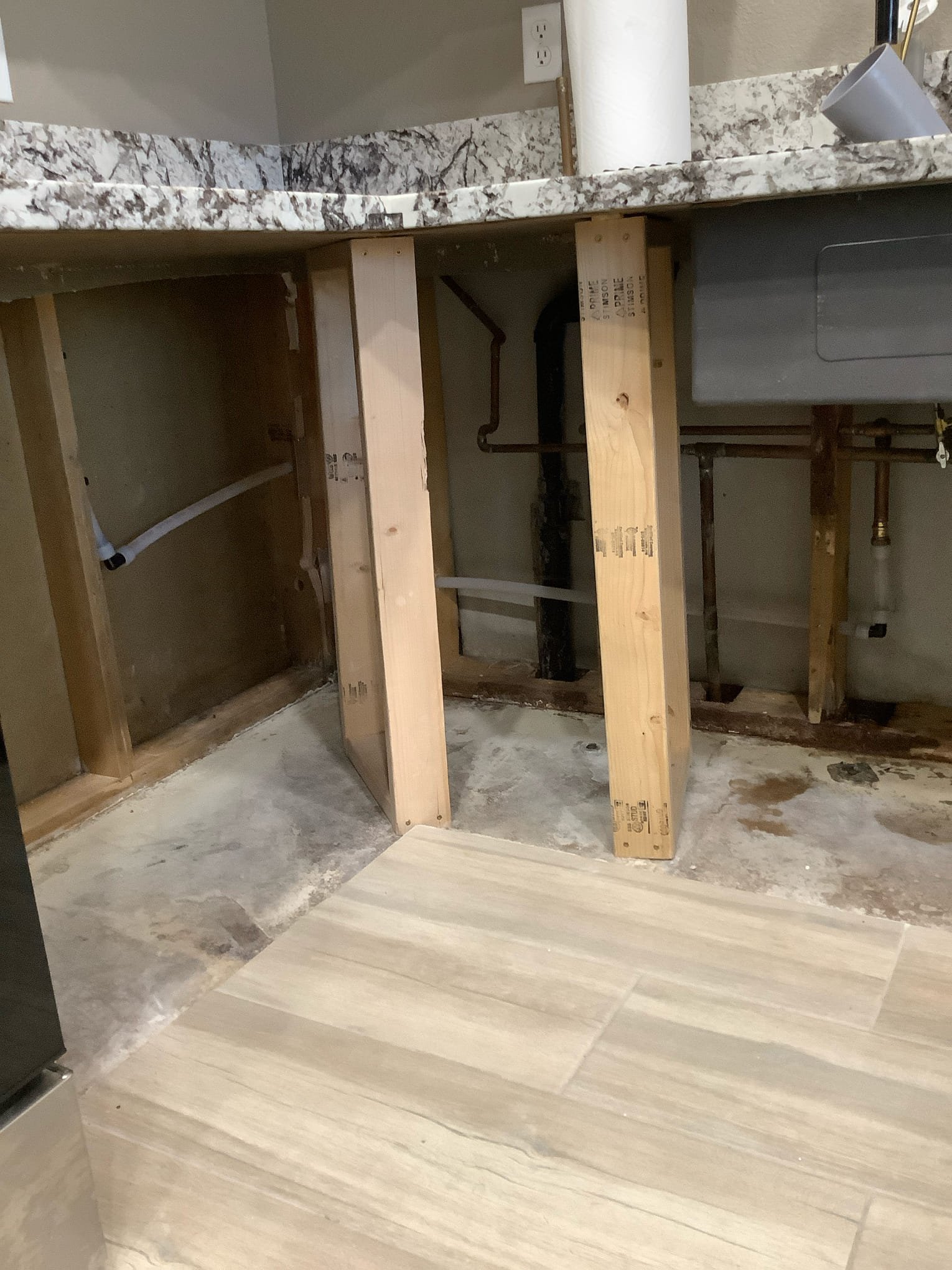
If you have identified unexplained water use, there are several useful steps you can take while arranging professional service.
Turn Off the Water if the Leak Is Active
If water is actively damaging your home and you can safely access your main shutoff valve, turn off the water supply.
Knowing where this valve is located before an emergency occurs can make a major difference.
Do not force a valve that is seized, damaged, or unfamiliar.
Move Belongings Away From Water
Remove furniture, boxes, electronics, rugs, and other belongings from areas where water is spreading.
This will not repair the plumbing problem, but it can help limit additional property damage.
Document What You See
Take photographs of visible water, staining, damaged materials, and other symptoms.
You may also want to record:
- Your meter reading
- The time of the reading
- Whether fixtures were off
- How quickly the meter changed
- Your recent water usage or bills
These details can provide useful context when the plumber evaluates the problem.
Avoid Unnecessary Demolition
Do not begin opening walls, removing flooring, or excavating your yard simply because you suspect a leak is located in a particular area.
Confirming the location first can prevent unnecessary damage.
Do Not Ignore Electrical Hazards
Water and electricity are a dangerous combination.
If water is near electrical panels, outlets, appliances, wiring, or other electrical equipment, keep away from the affected area and seek appropriate professional assistance.
Safety takes priority over finding the source of the plumbing problem.
Frequently Asked Questions About Water Leak Detection
How can I use my water meter to check for a leak?
Turn off all known water-using fixtures, appliances, irrigation equipment, and other systems that may draw water. Record the meter reading or observe its flow indicator. Wait without using water and check the meter again.
If the reading changes, water is moving somewhere on the property.
You can then investigate toilets, fixtures, irrigation, pool equipment, water treatment equipment, and other possible sources.
Why is my water meter moving when everything is turned off?
Possible causes include a running toilet, dripping fixture, irrigation leak, pool autofill, water treatment equipment, underground service-line leak, concealed pipe leak, or another source of water consumption.
Meter movement confirms that water is flowing. It does not identify the source by itself.
Can a running toilet cause my water meter to move?
Yes.
A toilet can leak from the tank into the bowl and cause the fill valve to periodically replace the lost water. Some toilet leaks are quiet enough that homeowners do not notice them without testing.
A dye test can help identify water leaking from the tank into the bowl.
Can a slab leak show up on my water meter?
If the leaking pipe is part of the metered water-supply system and the leak is active during your test, the water loss can register on the meter.
Meter movement alone does not prove that the leak is beneath the slab. Other possible water uses should be investigated before reaching that conclusion.
Why did my water bill increase if I cannot find a leak?
A higher bill can result from a leak, but it can also reflect legitimate increases in water consumption.
Possible causes include seasonal irrigation, additional household occupants, pool filling, changes in water-use habits, or malfunctioning equipment.
Compare your current usage with previous billing periods and perform a meter test if the increase cannot be explained.
Should I shut off my water if I suspect a hidden leak?
If water is actively causing property damage and you can safely operate your home’s main shutoff valve, shutting off the water can help limit further damage while you arrange service.
For a small suspected leak without active damage, a plumber can advise you on the appropriate next step.
When should I call a professional for water leak detection?
Consider professional help when unexplained meter movement continues after common causes have been eliminated, the suspected leak is concealed, you notice signs of a slab or underground leak, water is damaging the property, or you cannot safely isolate the source yourself.
Turn an Unexplained Meter Reading Into an Answer

Your water meter is one of the simplest tools available for spotting water use that might otherwise go unnoticed.
The key is knowing where the DIY test ends.
Your meter can tell you that water is moving, but locating a concealed leak beneath concrete, underground, or inside the structure may require professional water leak detection.
If your meter keeps moving when your water should be off, or you are seeing other signs of a hidden leak, Trident Plumbing & Drain can help identify the source and recommend the appropriate repair.
Call Trident Plumbing & Drain today to schedule professional water leak detection.
by Internal Admin