How Often Should You Have Your Drains Professionally Cleaned in Arizona?




September 9, 2026
Your drains work every day, carrying away everything from soap residue and hair to grease and food particles. Because most of that activity happens out of sight, it is easy to forget about drain maintenance until a sink starts emptying slowly, a shower begins pooling around your feet, or a clog stops water from draining altogether.
So, how often should you schedule professional drain cleaning?
For many Arizona homes, having the drains professionally evaluated and cleaned about every one to two years can be a practical preventive guideline. However, there is no single schedule that is right for every home. Your plumbing system’s age, household size, kitchen habits, recurring clogs, mineral buildup, and previous drain problems can all affect how frequently professional cleaning makes sense.
The better approach is to combine a reasonable maintenance schedule with the warning signs your drains are giving you.
Summary: How Often Should Arizona Homeowners Clean Their Drains?
There is no universal drain cleaning interval that applies to every Arizona household. As a general preventive guideline, many homeowners may consider professional drain cleaning every one to two years, while some homes may need service sooner.
You may benefit from more frequent drain cleaning if:
- Your drains regularly become slow.
- The same fixtures repeatedly clog.
- Several people live in the home.
- Your kitchen drains handle heavy daily use.
- You have older drain or sewer piping.
- You frequently notice gurgling or unpleasant drain odors.
- Your home has experienced previous drain or sewer backups.
- Mineral and other deposits contribute to recurring buildup.
A home where every drain flows normally and clogs are rare may not need the same cleaning frequency as a property with recurring drainage problems.
Instead of treating professional drain cleaning as a rigid calendar appointment, think of it as preventive plumbing maintenance that should reflect the condition and use of your drainage system.
Why Professional Drain Cleaning Is Different From Clearing a Clog
Homeowners sometimes use “drain cleaning” and “clog removal” interchangeably, but they do not always describe the same objective.
Clearing a clog is usually reactive. Water is draining slowly or has stopped moving, so the immediate goal is to restore flow.
Professional drain cleaning can also be preventive. The goal may be to address accumulated material before it creates another significant restriction.
Over time, drain lines can collect:
- Hair
- Soap residue
- Grease and fats
- Food particles
- Organic debris
- Mineral deposits
- Other materials washed into the plumbing
A small amount of buildup may not noticeably affect drainage. As additional material accumulates, however, the opening inside the pipe can become increasingly restricted.
That is why a drain can appear normal for months and then gradually become slower.
Trident Plumbing & Drain drain cleaning and repair services address clogged, slow, backed-up, and recurring drainage problems. The URL is included in the current sitemap supplied for this article.
Is Once a Year the Right Drain Cleaning Schedule?
You may see recommendations to have every home’s drains professionally cleaned once a year. That is easy advice to remember, but it oversimplifies the issue.
Annual professional drain cleaning can make sense for some households, particularly when the plumbing has a history of recurring buildup or receives unusually heavy use.
Other homes may be able to go longer between preventive cleanings without experiencing drainage problems.
The condition of the plumbing matters more than simply reaching a date on the calendar.
When Annual Drain Cleaning May Make Sense
A yearly schedule may be worth considering if your household experiences recurring problems even after previous clogs have been addressed.
For example, more frequent maintenance may be appropriate when:
- Kitchen drains repeatedly become slow.
- Bathroom drains frequently collect hair and soap buildup.
- The household has many occupants and high water use.
- Previous drain problems have returned after service.
- Older piping is more susceptible to recurring restrictions.
- The property has a history of significant drain or sewer problems.
In these situations, preventive cleaning may help address developing buildup before it reaches the point where normal drainage is interrupted.
When Every One to Two Years May Be Enough
If your drains generally flow well and you rarely experience clogs, professional cleaning every one to two years may be a more reasonable starting point.
Even then, the calendar should not override what is happening inside your home.
If a drain begins slowing down six months after its last cleaning, waiting another year simply because that was the planned schedule would make little sense.
Likewise, if the home’s drainage system continues performing normally, a plumber can help determine whether cleaning is actually necessary rather than recommending service solely because a certain amount of time has passed.
What Determines How Often Your Drains Need Cleaning?

Every home’s drainage system operates under different conditions. These factors can help determine whether your drains are likely to need professional attention more or less frequently.
Household Size
More people generally means more demand on bathroom and kitchen drains.
A household of two people may send considerably less hair, soap, food residue, and other material through its plumbing than a household of six.
More use does not automatically mean more clogs, but it does increase the amount of material the drainage system must handle.
Larger households should therefore pay particular attention to changes in drain speed rather than relying only on a predetermined maintenance interval.
Kitchen Habits
Kitchen drains are especially vulnerable to gradual buildup.
Grease, cooking oils, food scraps, soap, and other residue can collect inside drainpipes. Even when water continues flowing, the usable diameter of the pipe may slowly decrease.
Keeping fats, oils, grease, and inappropriate food waste out of the drain can help reduce unnecessary buildup.
If slow drainage is accompanied by problems with the sink, garbage disposal, or related fixtures, Trident also provides kitchen plumbing services.
Bathroom Use
Bathroom drains encounter a different mixture of material.
Hair is one of the most common contributors to shower, bathtub, and bathroom sink clogs. It can catch on surfaces inside the drain and combine with soap residue and other debris.
Drain screens can help capture some hair before it enters the plumbing, but they cannot prevent every restriction.
If several bathroom fixtures repeatedly experience drainage problems, the issue may also extend beyond one individual drain. Trident’s bathroom plumbing services provide another relevant resource for fixture and bathroom plumbing concerns.
The Age and Condition of Your Plumbing
Older drain systems may have different maintenance needs than newer plumbing.
Pipe condition, previous repairs, accumulated deposits, installation characteristics, and years of use can all affect how wastewater moves through a home’s drainage system.
This does not mean that every older Arizona home automatically needs annual drain cleaning. It means the condition and history of the plumbing should be considered when establishing a maintenance schedule.
A homeowner who has experienced repeated restrictions should not assume that another temporary clog is unrelated to the previous ones.
Arizona Conditions Can Influence Drain Maintenance
Arizona homeowners also have local conditions to consider.
Minerals in the water can leave deposits on plumbing surfaces over time. Mineral buildup alone is not responsible for every clogged or slow drain, but deposits may contribute to rougher or narrower interior surfaces in some plumbing.
When other materials such as soap residue, grease, and organic debris are also present, buildup can become more difficult to ignore.
This is another reason there should not be a one-size-fits-all answer to professional drain cleaning frequency.
A newer home with consistently free-flowing drains may require a different maintenance strategy from an older property where drains repeatedly slow down.
The goal is not to clean drains unnecessarily. It is to recognize your home’s pattern and intervene before recurring buildup turns into a disruptive blockage.
Signs You Should Schedule Professional Drain Cleaning Sooner
A one-to-two-year guideline can be useful for planning, but your drains may tell you they need attention sooner.
The following symptoms are more important than the date of your last cleaning.
Your Drains Are Getting Progressively Slower
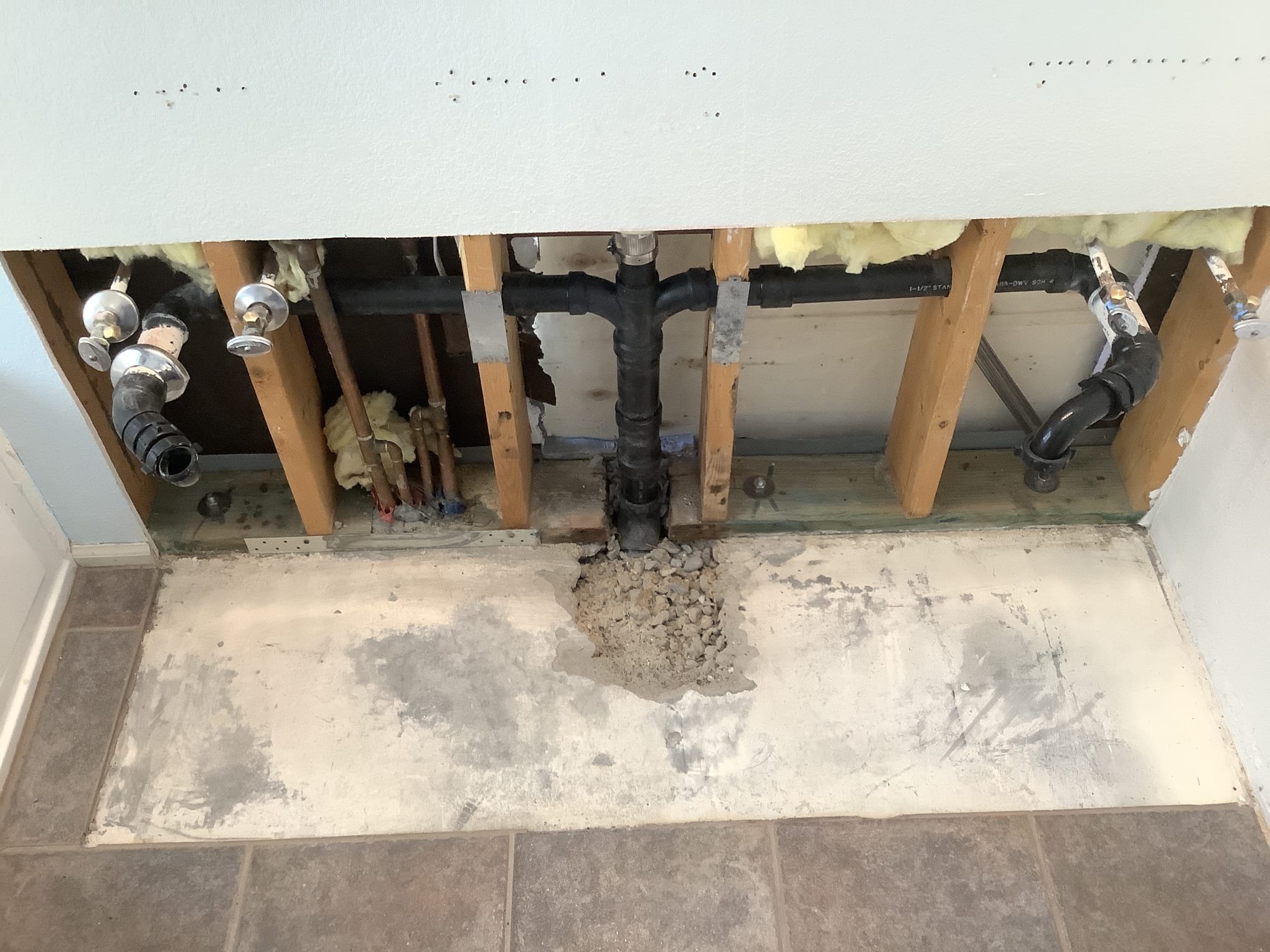
A drain that suddenly becomes slightly slower may have a localized obstruction near the fixture. If it continues slowing over days or weeks, buildup may be accumulating inside the line.
Pay particular attention when the same drain repeatedly improves and then slows again. That pattern can indicate that the underlying restriction has not been fully addressed.
The Same Drain Keeps Clogging
One occasional clog does not necessarily mean you need a recurring professional cleaning schedule.
Repeated clogs are different.
If you regularly find yourself plunging the same sink, clearing the same shower drain, or trying another temporary solution, there may be material remaining deeper in the line.
Recurring clogs can be a reason to move from reactive clog removal to a more preventive drain maintenance strategy.
Multiple Drains Are Slow at the Same Time
Several slow drains can indicate a problem beyond an individual fixture.
A restriction in a shared drain or sewer line may affect multiple areas of the home. You may notice a toilet gurgling when another fixture drains, water appearing in a bathtub or shower, or several fixtures becoming slow within the same period.
In these situations, repeatedly cleaning individual fixtures may not address the actual problem. An evaluation may determine whether the home’s sewer services needs should also be investigated. This service page is included in Trident’s current sitemap.
You Notice Persistent Drain Odors
Organic material trapped inside a drain can produce unpleasant odors as it accumulates.
Cleaning the visible portion of a sink or shower may improve the smell temporarily, but persistent odors can indicate that material remains farther inside the plumbing.
Drain odors can have several causes, so professional evaluation is appropriate when they persist or occur alongside slow drainage, gurgling, or recurring clogs.
Your Drains Gurgle
Gurgling sounds can occur when air and wastewater are not moving through the drainage system normally.
One occasional sound is not enough to diagnose a plumbing problem. Persistent gurgling, particularly when accompanied by slow drains or changes in another fixture, deserves more attention.
You Have Experienced a Previous Backup
A previous drain or sewer backup is useful information when establishing a preventive maintenance schedule.
If buildup has caused significant restrictions before, waiting for the exact same symptoms to return may not be the best approach. Discussing the system’s history with a plumber can help determine whether more regular inspections or cleaning are appropriate.
Professional Drain Cleaning vs. Waiting for a Clog
The difference between preventive maintenance and reactive service becomes clearer when you compare the two approaches.
| Factor | Preventive Professional Drain Cleaning | Waiting Until a Drain Clogs |
| Timing | Scheduled before a major blockage develops | Service occurs after drainage is significantly affected |
| Drain performance | Developing buildup may be addressed before flow stops | Slow drainage may progress until the fixture becomes difficult to use |
| Convenience | Service can usually be planned around your schedule | A severe clog or backup may require faster attention |
| Recurring problems | Provides an opportunity to investigate repeated buildup | Temporary fixes may allow the same problem to return |
| Multiple slow drains | Can prompt evaluation of a shared drain or sewer issue | A larger restriction may not be recognized until symptoms worsen |
| Maintenance planning | Frequency can be adjusted based on plumbing history | Problems are handled individually as they occur |
What Happens During Professional Drain Cleaning?
The appropriate cleaning method depends on the location, severity, and type of buildup.
A plumber may first evaluate which fixtures are affected and whether the symptoms suggest a localized clog or a restriction farther inside the drainage system.
Drain Snaking
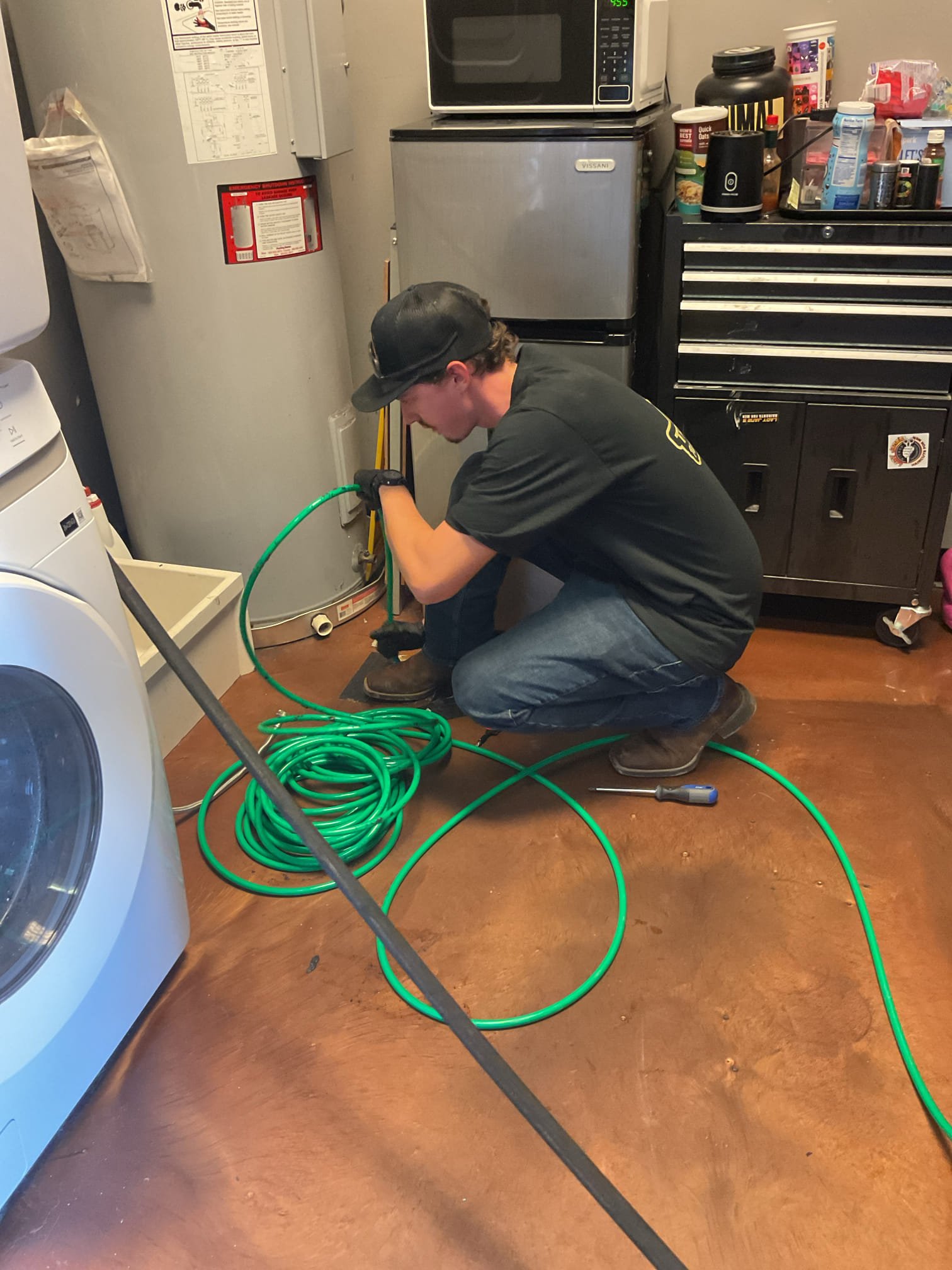
Drain snakes or augers can be used to reach obstructions that cannot be removed from the fixture opening.
They can be effective for many concentrated clogs, including certain hair and debris blockages. However, opening a pathway through an obstruction and cleaning accumulated material from the interior of a drainpipe are not always the same thing.
That distinction can matter when a drain repeatedly becomes slow after previous clog removal.
Hydro Jetting
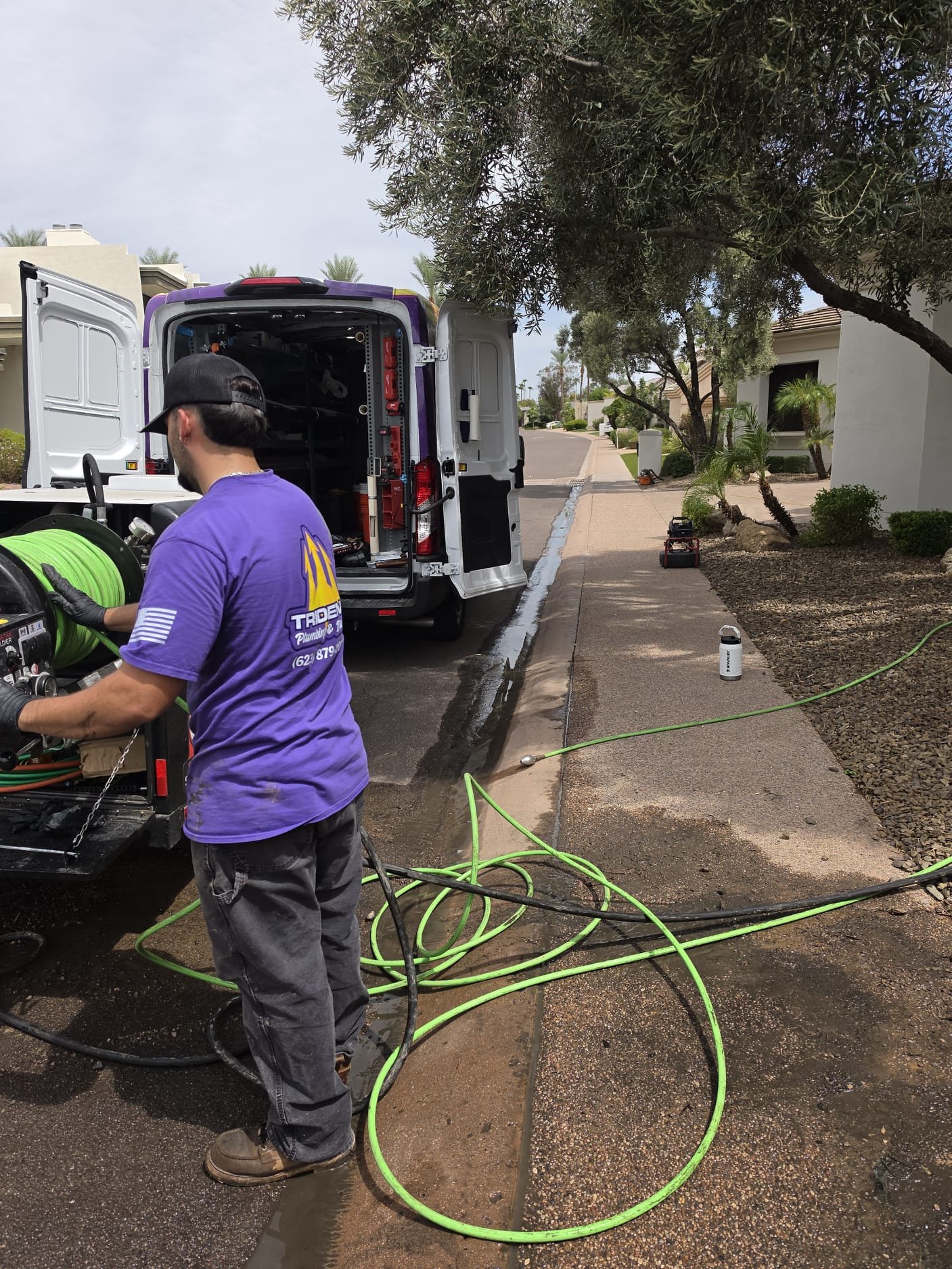
For suitable plumbing systems with substantial or recurring buildup, hydro jetting may be another option. Trident lists hydro jetting as a dedicated plumbing service in its current sitemap.
Hydro jetting uses high-pressure water to clean material from the interior of appropriate drain and sewer lines.
It is not automatically the right solution for every slow drain. The condition of the piping and the nature of the obstruction should be considered before deciding which cleaning method is appropriate.
How to Keep Your Drains Cleaner Between Professional Services
Professional cleaning is only one part of a good drain maintenance strategy. What goes down your drains every day can have a major influence on how quickly buildup returns.
Keep Grease Out of Kitchen Drains
Fats, oils, and grease should not be intentionally poured down the kitchen sink.
These materials can cool and collect inside drain pipes, where other food particles and debris can stick to them.
Instead, allow cooking grease to cool and dispose of it appropriately.
Use Drain Screens Where Practical
Drain screens can help catch hair and larger debris before it enters showers, tubs, and sinks.
They will not eliminate every clog, but reducing the amount of material entering the plumbing can help limit avoidable buildup.
Clean the screens regularly so they do not become a source of slow drainage themselves.
Pay Attention to Changes in Drain Speed
One of the simplest maintenance habits is noticing how your drains normally behave.
If a shower that previously emptied quickly begins holding water, or a kitchen sink starts taking noticeably longer to drain, do not wait for the fixture to stop working completely.
Early changes give you an opportunity to address the problem while it may still be manageable.
Include Drains in Your Overall Plumbing Maintenance
Drain performance should be considered alongside the rest of the home’s plumbing rather than treated as a completely separate issue.
Regular plumbing maintenance can help homeowners remain aware of developing plumbing concerns instead of responding only after something fails. The maintenance page is listed in Trident’s supplied sitemap.
Frequently Asked Questions About Professional Drain Cleaning
How Often Should You Have Your Drains Professionally Cleaned?
For many households, considering professional drain cleaning every one to two years can provide a useful preventive starting point.
Your actual schedule should depend on household use, plumbing condition, previous clogs, and whether symptoms develop between cleanings. Homes with recurring drainage problems may benefit from more frequent attention.
Do I Need Professional Drain Cleaning If My Drains Are Working Normally?
Not necessarily on a rigid schedule.
If every drain flows normally and your household rarely experiences clogs, a plumber can help determine whether preventive cleaning is worthwhile based on the plumbing system’s age and history.
The objective should be useful maintenance, not unnecessary service.
Can I Clean My Drains Myself Instead?
Homeowners can take preventive steps such as removing accessible hair, using drain screens, and keeping grease and inappropriate waste out of the plumbing.
A recurring, deep, or widespread restriction is different. If the same drain repeatedly slows or several fixtures are affected, professional evaluation can help determine where the problem is located and how it should be addressed.
Is Hydro Jetting the Same as Regular Drain Cleaning?
Hydro jetting is one method of professional drain cleaning.
It uses high-pressure water to remove buildup from suitable piping. Other drain problems may be better addressed with mechanical equipment or another method.
The appropriate approach depends on what is causing the restriction and the condition of the plumbing.
What Are the Signs My Drains Need Cleaning?
Common warning signs include progressively slower drainage, recurring clogs, persistent odors, gurgling, multiple slow fixtures, and water backing up into another fixture.
If wastewater begins backing up or essential fixtures become unusable, the situation may require more immediate attention rather than waiting for routine maintenance.
Build a Drain Cleaning Schedule Around Your Arizona Home
So, how often should you have your drains professionally cleaned?
For many Arizona homeowners, every one to two years can be a useful starting point, but the best schedule is the one that reflects how your home’s plumbing actually performs.
A busy household with recurring kitchen clogs may need more frequent service. Another home with newer plumbing, careful drain habits, and consistently good flow may go longer without needing professional cleaning.
What matters most is recognizing patterns.
If drains repeatedly slow down, clogs return, several fixtures are affected, or you notice gurgling and unpleasant odors, do not wait for the calendar to tell you it is time.
Trident Plumbing & Drain provides professional drain cleaning for homeowners throughout Arizona, with local drain cleaning services available in areas including Phoenix, AZ and Peoria, AZ.
Call Trident Plumbing & Drain today to schedule professional drain cleaning and keep your home’s drains flowing properly.
by Weslo Digital