Garbage Disposal Do’s and Don’ts: A Guide for Phoenix Homeowners




September 16, 2026
Your garbage disposal makes kitchen cleanup easier, but it is not designed to handle everything that fits through the sink opening. Grease, fibrous foods, bones, large amounts of food waste, and other improper materials can contribute to jams, clogs, odors, and unnecessary wear.
Good garbage disposal maintenance starts with understanding what the appliance can safely handle and how the disposal and kitchen drain work together. A disposal may grind food waste into smaller pieces, but that material still has to travel through your home’s drainpipes.
For Phoenix homeowners, a few simple habits can make a meaningful difference. Knowing what to put down the disposal, what to keep out, how to clean it, and when to call a plumber can help you avoid preventable kitchen plumbing problems.
Summary: Garbage Disposal Do’s and Don’ts at a Glance
A garbage disposal works best when you treat it as a tool for handling small amounts of appropriate food residue, not as a replacement for the trash can.
The most important habits include:
- Do run cold water while using the disposal.
- Do feed appropriate food waste gradually rather than all at once.
- Do keep the disposal and surrounding sink area clean.
- Do pay attention to changes in sound, drainage, or performance.
- Don’t pour fats, oils, or grease down the disposal.
- Don’t overload the unit with large amounts of food.
- Don’t intentionally grind hard items, bones, or non-food materials.
- Don’t ignore recurring jams, leaks, odors, or slow drainage.
The goal of proper garbage disposal maintenance is not simply to keep the motor running. It is also to protect the kitchen drain connected to the disposal and recognize problems before they become more disruptive.
Why Garbage Disposal Maintenance Matters
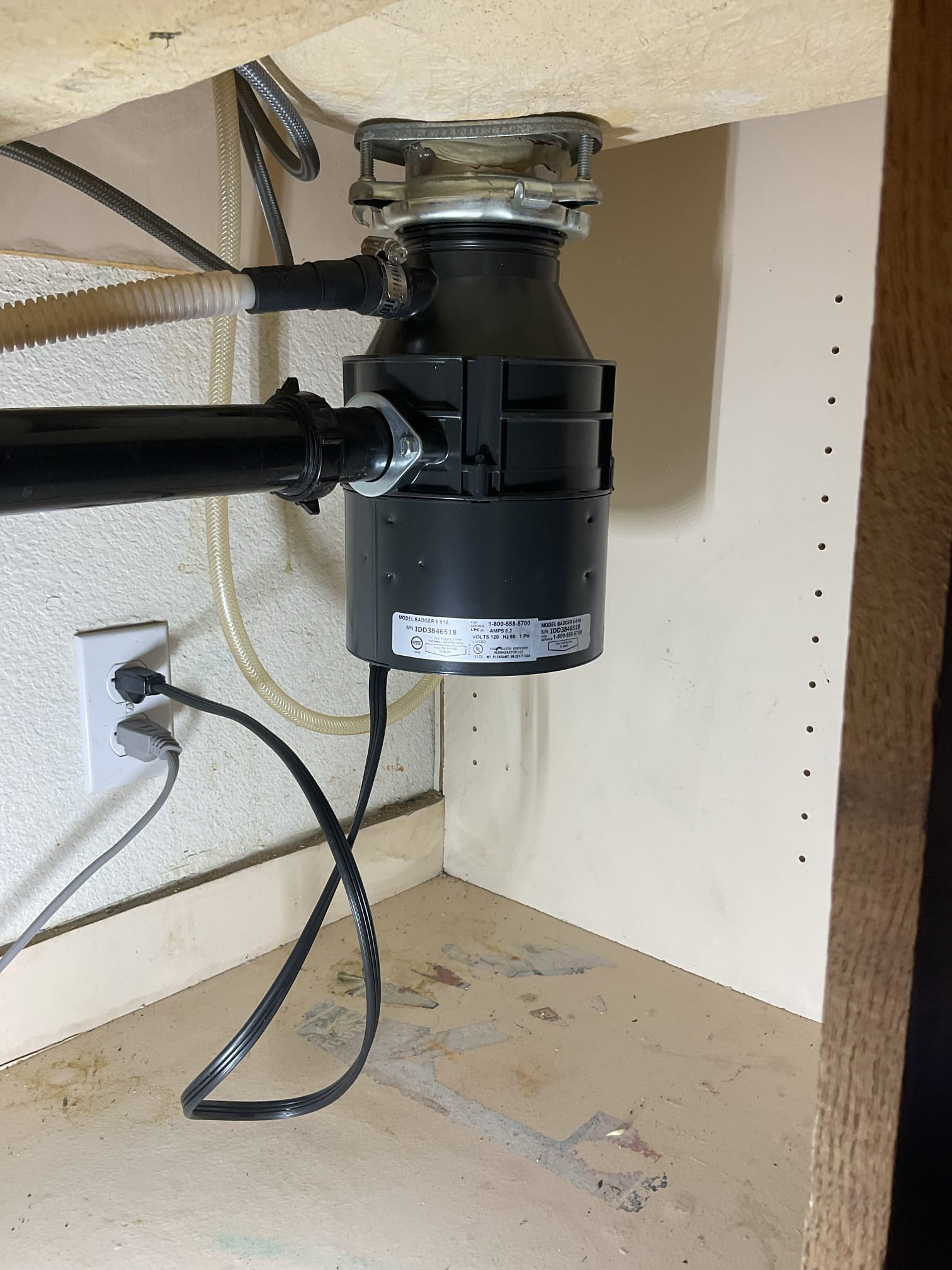
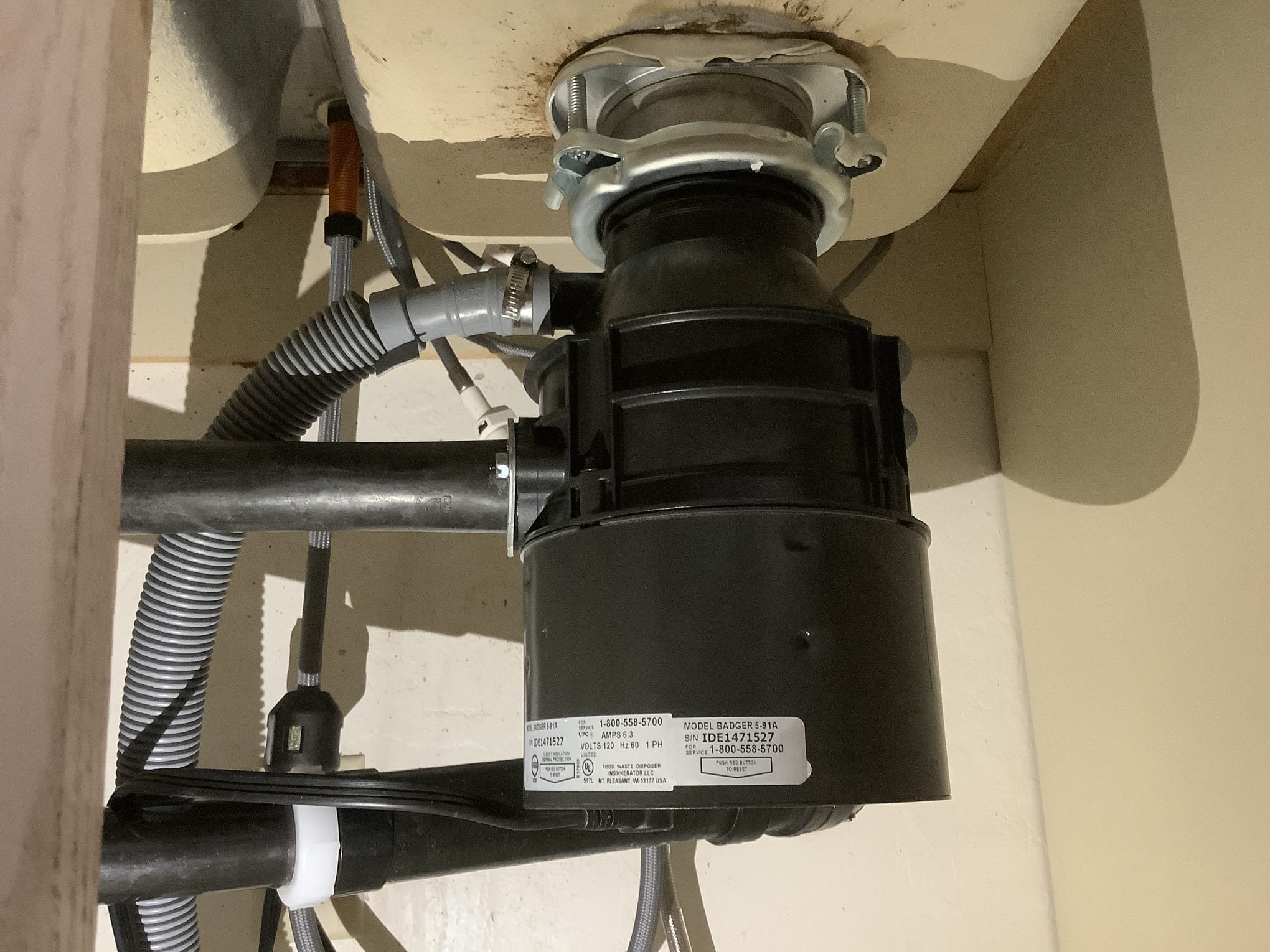
Garbage disposals are often misunderstood. The appliance does not make food waste disappear. Instead, it grinds suitable food scraps into smaller particles that are carried away by water through the kitchen drain.
That distinction matters.
Even if the disposal successfully grinds something, the material still needs to move through the plumbing. Grease can collect inside drainpipes. Excess food waste can contribute to a restriction. Certain fibrous materials can be difficult for the disposal to process effectively. Over time, poor disposal habits may affect both the appliance and the drain connected to it.
Proper maintenance therefore involves two systems: the garbage disposal itself and your kitchen plumbing.
Homeowners experiencing leaks, persistent clogs, drainage issues, or other problems around the sink can benefit from professional kitchen plumbing services rather than repeatedly treating symptoms at the fixture.
Garbage Disposal Do’s Every Phoenix Homeowner Should Follow
A few consistent habits can reduce unnecessary strain on your disposal and help food particles move through the drain more effectively.
Do Run Cold Water While Using the Disposal
Turn on a steady stream of cold water before switching on the garbage disposal.
Keep the water running while the disposal processes the food waste. After the grinding sound has returned to normal, allow the water to continue running briefly so remaining particles can move farther through the drain line.
Cold water is generally preferred when operating a garbage disposal because it helps keep fats and grease more solid if small amounts are present, rather than encouraging them to liquefy and move farther into the drain before cooling and collecting.
This does not mean grease is safe for the disposal. Fats, oils, and grease should still be kept out of the kitchen drain whenever possible.
Do Feed Food Waste Into the Disposal Gradually
A garbage disposal should not be packed with a large quantity of food and then switched on.
Feeding appropriate scraps gradually gives the appliance time to process the material and allows water to carry the resulting particles into the drain.
This is particularly important after meal preparation or cleanup, when it can be tempting to push everything from a plate, cutting board, or sink strainer into the disposal at once.
Scraping larger quantities of food waste into the trash or compost, where appropriate, reduces the amount your disposal and drain have to handle.
Do Cut Larger Scraps Into Smaller Pieces
Even when a food is appropriate for the disposal, smaller portions are generally easier for the unit to process.
Avoid forcing large pieces into the drain opening simply because they fit. A garbage disposal is designed to help manage small amounts of food residue. It should not be expected to process everything left over after a meal.
A little extra care during cleanup can reduce unnecessary strain on the unit.
Do Keep the Disposal Clean
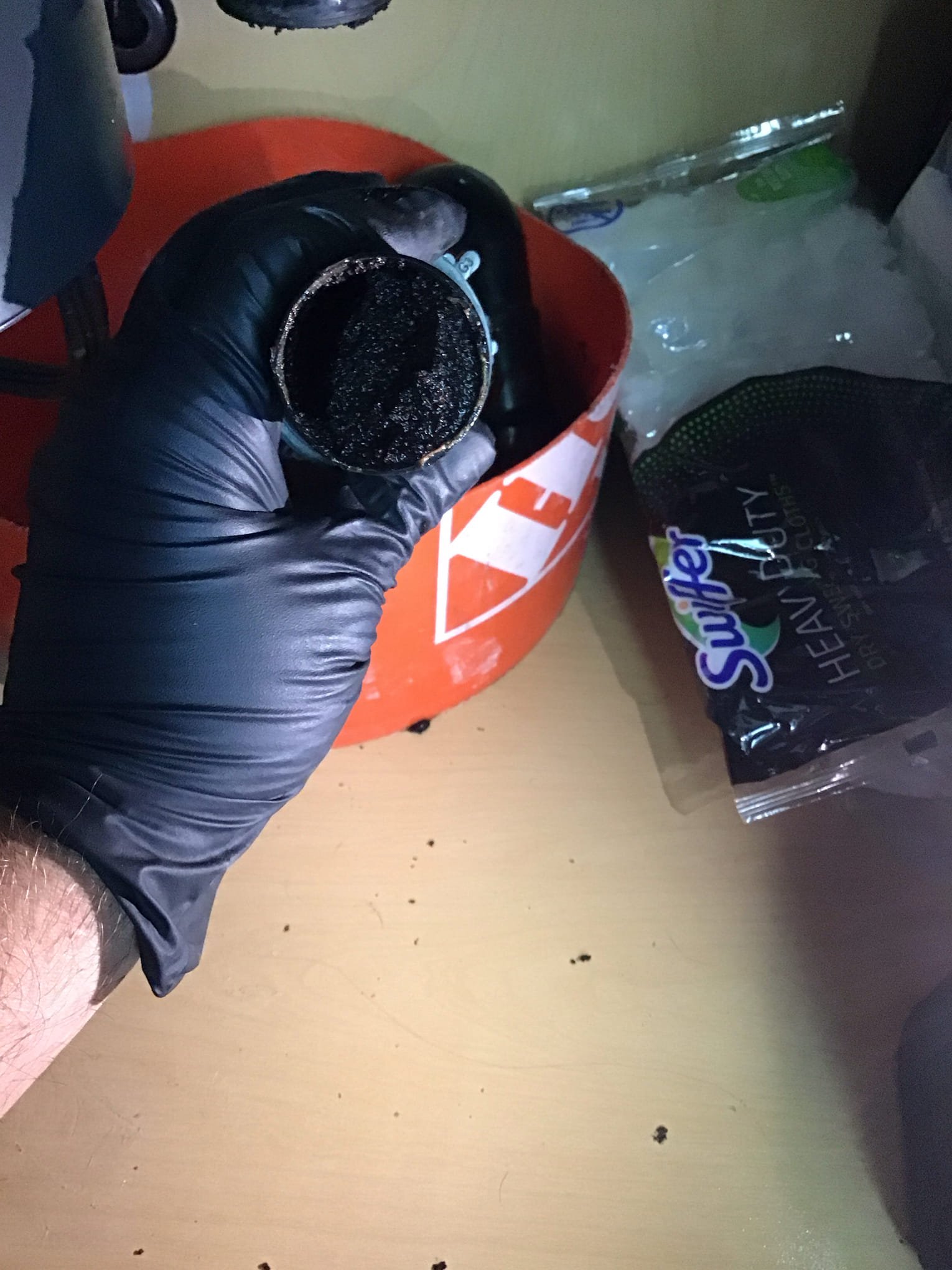
Food residue can remain around the disposal chamber, splash guard, and drain opening. Over time, this material may contribute to unpleasant odors.
Routine garbage disposal maintenance should include keeping the accessible portions of the sink and disposal clean.
Always turn the disposal off before cleaning around the opening, and never place your hand inside the unit.
Persistent odors deserve closer attention, particularly if they occur alongside slow drainage. The smell may not be coming solely from the disposal. Buildup farther inside the kitchen drain can also contribute to odor problems.
Do Listen for Changes in How the Disposal Sounds
Homeowners become familiar with the normal sound of their garbage disposal without necessarily realizing it.
That makes unusual sounds useful warning signs.
Grinding, rattling, humming, or other sounds that are noticeably different from normal operation may indicate that something is wrong. If the disposal hums but does not operate normally, continually switching it on is unlikely to solve the underlying problem and may put additional stress on the unit.
Turn it off and investigate safely or arrange professional service.
Garbage Disposal Don’ts That Can Help Prevent Problems
What you keep out of the disposal can be just as important as how you operate it.
Many garbage disposal problems begin with treating the appliance as though it can process any type or quantity of kitchen waste.
Don’t Pour Fats, Oils, or Grease Down the Disposal
This is one of the most important kitchen drain habits to follow.
Cooking grease and oils may be liquid when they enter the sink, but they can cool and collect farther inside the plumbing. Other food particles and debris can then adhere to the developing buildup.
A garbage disposal does not prevent this process.
Instead of pouring cooking oil or grease into the sink, allow it to cool and dispose of it appropriately.
If a kitchen sink begins draining slowly or develops recurring clogs, the problem may extend beyond the disposal itself. Professional drain cleaning and repair can address restrictions within the drainage system when ordinary disposal maintenance is no longer enough.
Don’t Treat the Disposal Like a Trash Can
A garbage disposal is not intended to replace ordinary waste disposal.
Non-food items should never intentionally enter the unit. Keep packaging, plastic, metal, glass, paper products, utensils, and other foreign objects away from the disposal opening.
The same principle applies to large amounts of food waste. Just because something is technically food does not mean the disposal is the best place for it.
When in doubt, throwing an item away rather than grinding it is usually the safer choice for the appliance and the drain.
Don’t Put Hard Items or Bones Into the Disposal
Avoid intentionally feeding bones and other very hard materials into the garbage disposal.
These materials can be difficult for the appliance to process and may contribute to jams or unnecessary wear.
Garbage disposal maintenance is largely about reducing avoidable stress. Asking the unit to grind materials was not intended to handle works against that goal.
Don’t Ignore a Disposal That Keeps Jamming
An occasional problem can happen, particularly if an inappropriate object accidentally enters the unit.
Repeated jams are different.
If the disposal continually stops, struggles to process ordinary food residue, or requires frequent resets, there may be an underlying problem with the appliance.
Recurring trouble is a good reason to stop relying on temporary fixes and have the system evaluated.
Phoenix homeowners should also pay attention to whether the sink drains normally when the disposal is not operating. If drainage is consistently slow, the problem may involve the connected drain rather than only the disposal.
The Disposal and Kitchen Drain Need to Work Together
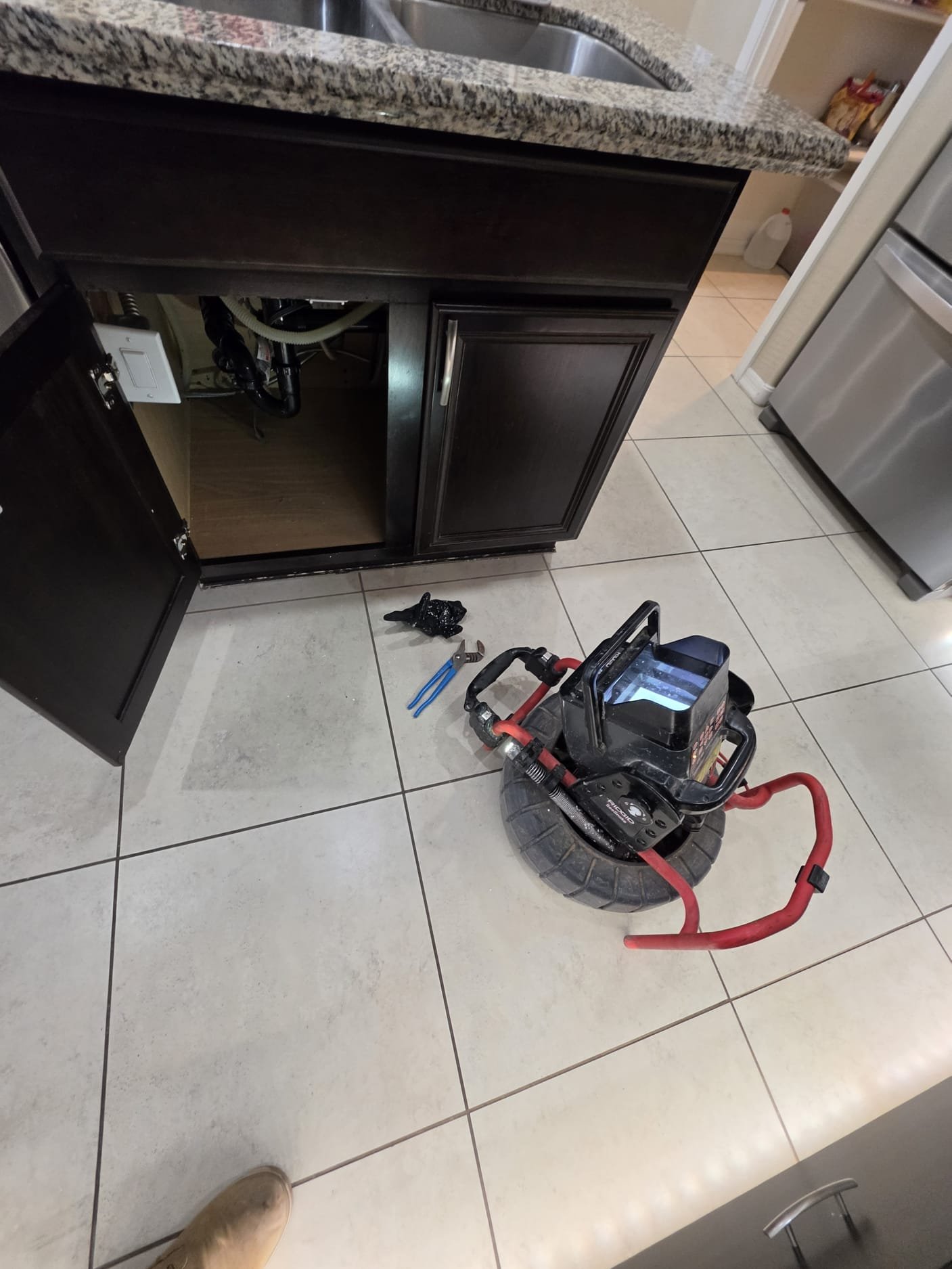
A well-maintained garbage disposal can still appear to malfunction when the kitchen drain is restricted.
For example, the disposal may run normally while water drains slowly from the sink. Food particles may be ground correctly but have nowhere to move efficiently because buildup has narrowed the drain line.
This is why effective garbage disposal maintenance should include paying attention to the entire sink system.
Water backing up into the sink, recurring odors, frequent clogs, and increasingly slow drainage are all reasons to look beyond the appliance itself. For Phoenix homeowners, Trident also offers localized drain cleaning service.
The important question is not always, “Is my garbage disposal broken?”
Sometimes the better question is, “Is the disposal causing the problem, or is the drain no longer carrying waste away properly?”
Foods and Materials You Should Keep Out of Your Garbage Disposal
One of the easiest ways to improve garbage disposal maintenance is to be selective about what goes into the unit. Even powerful disposals have limitations, and some materials can contribute to jams, buildup, or drainage problems.
Fibrous and Stringy Foods
Fibrous food waste can be difficult for a garbage disposal to process efficiently. Materials such as corn husks, celery stalks, and similar stringy scraps are generally better placed in the trash or compost.
The safest approach is simple: when a food is unusually tough, stringy, or fibrous, do not depend on the disposal to handle it.
Large Amounts of Starchy Food
Pasta, rice, potatoes, and other starchy foods deserve caution. Rather than washing large quantities into the disposal, scrape leftovers into the trash.
Garbage disposal maintenance is not about discovering how much waste the appliance can handle. It is about minimizing unnecessary strain on both the disposal and the kitchen drain.
Coffee Grounds
Coffee grounds may seem harmless because the particles are already small. However, grinding is not the only concern. Those particles still have to move through the drain.
Keeping large quantities of coffee grounds out of the sink reduces the amount of solid material entering your kitchen plumbing.
Eggshells
Eggshells are another item that can simply go into the trash or compost rather than the disposal. There is little benefit to sending them through the plumbing system.
A useful rule for Phoenix homeowners is that the disposal should handle incidental food residue, not become the primary method of disposing of kitchen waste.
Garbage Disposal Do’s and Don’ts: Quick Reference
Use this table as a simple guide for everyday garbage disposal maintenance.
| Do | Don’t | Why It Matters |
| Run cold water during operation | Pour grease, fats, or oils down the drain | Helps food particles move through the drain while reducing grease-related buildup |
| Feed appropriate scraps gradually | Overload the disposal | Reduces unnecessary strain on the unit |
| Dispose of large food scraps in the trash | Treat the disposal like a trash can | Limits the amount of solid waste entering your plumbing |
| Pay attention to unusual sounds | Keep running a jammed or struggling disposal | Repeated operation can worsen an existing problem |
| Keep the disposal and sink area clean | Ignore recurring odors or slow drainage | Persistent symptoms may indicate a disposal or drain problem |
| Call a plumber for recurring problems | Depend on repeated temporary fixes | Professional diagnosis can identify whether the disposal, drain, or another component needs attention |
When a Garbage Disposal Problem Is Actually a Drain Problem
A disposal that appears to be malfunctioning may sometimes be doing its job correctly while the connected drain is struggling to carry waste away.
Pay attention to symptoms such as:
- Water draining slowly after the disposal runs
- Water backing up into the sink
- Recurring kitchen sink clogs
- Persistent drain odors
- Gurgling sounds
- Problems that return shortly after the sink has been cleared
These symptoms can indicate that the kitchen drain needs attention.
Depending on the nature and severity of the buildup, professional hydro jetting may be appropriate for certain stubborn drain problems. Trident describes hydro jetting as one of its methods for addressing stubborn buildup and restoring drainage.
A plumber can determine whether the issue is located in the garbage disposal, the sink drain, or farther into the drainage system before recommending a solution.
Signs Your Garbage Disposal May Need Professional Attention
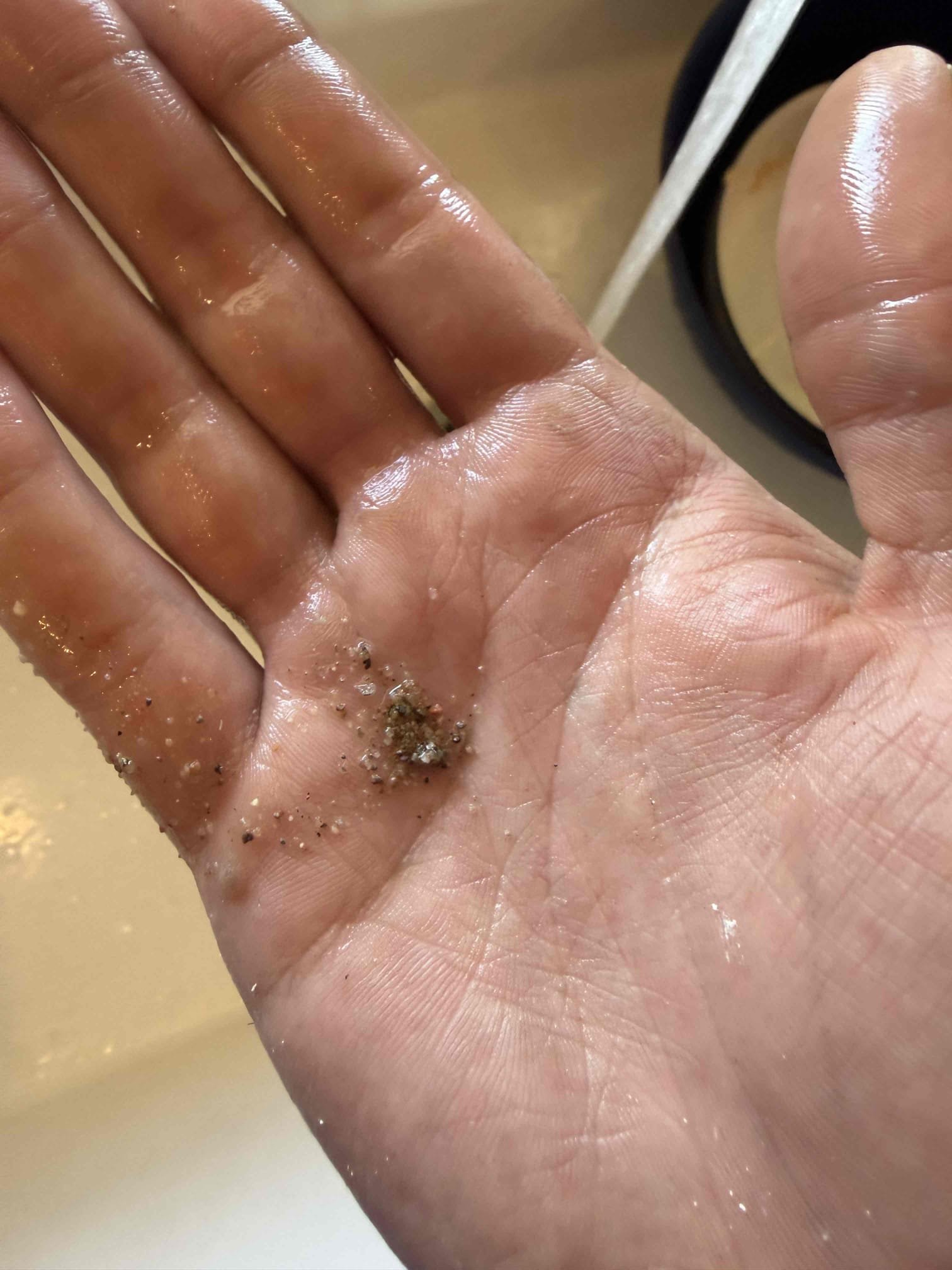
Routine maintenance can help prevent problems, but it cannot correct every mechanical or plumbing issue.
Consider professional service if your disposal:
- Hums without grinding
- Frequently jams
- Stops unexpectedly
- Makes unusual grinding or rattling sounds
- Leaks underneath the sink
- Produces odors that return after cleaning
- Drains slowly despite normal operation
- Requires frequent resets
- No longer processes appropriate food waste effectively
Leaks deserve particular attention. Water underneath a kitchen sink can originate from several connections or components, and assuming the disposal is responsible without inspecting the plumbing can lead to the wrong repair.
Trident’s sink repair and installation services cover issues including clogged drains, leaks, damaged fixtures, and other sink-related plumbing problems.
Simple Garbage Disposal Maintenance Between Plumbing Visits
Good disposal care does not require a complicated maintenance routine. Consistent everyday habits are more important.
Keep the Sink Area Clean
Clean the sink, drain opening, and accessible portions of the splash guard regularly. Food residue around these areas can contribute to unpleasant smells even when the disposal itself is operating correctly.
Always make sure the disposal is switched off before cleaning around the opening, and never reach into the disposal chamber.
Use Plenty of Water
Water helps move ground food particles from the disposal into the drainage system. Run cold water during operation and continue briefly after grinding has finished.
The disposal and drain should be treated as one connected system. Efficient grinding is not particularly useful if the resulting material becomes part of a clog farther down the line.
Prevent Problems Instead of Waiting for a Breakdown
Garbage disposal maintenance works best as part of broader kitchen and plumbing care.
Watch for gradual changes. A sink that drains slightly slower each month, a disposal that requires increasingly frequent resets, or an odor that keeps returning can provide an early indication that something needs attention.
Professional plumbing maintenance can also help homeowners address plumbing concerns before they become more disruptive. Trident offers plumbing maintenance throughout Peoria and the greater Phoenix area.
Frequently Asked Questions About Garbage Disposal Maintenance
How often should I clean my garbage disposal?
There is no single cleaning schedule that applies to every household. Keep the accessible parts of the disposal and sink clean regularly and respond when you notice odors or residue developing. Homes that use the disposal frequently may naturally need cleaning more often.
Can I pour grease down the disposal if I run hot water?
No. A garbage disposal does not make fats, oils, and grease safe for your drain. Grease can travel into the plumbing and contribute to buildup after it cools. Dispose of cooking fats and oils separately rather than washing them down the sink.
Why does my garbage disposal smell bad?
Food residue around the disposal, splash guard, or drain may produce odors. If cleaning the accessible areas does not resolve the smell, buildup inside the drain may be contributing to the problem.
Recurring odors accompanied by slow drainage are a stronger reason to have the plumbing evaluated.
Why is my garbage disposal humming but not spinning?
Humming can indicate that the unit has power but is unable to operate normally. Turn it off rather than repeatedly activating the switch.
Never place your hand inside the disposal. If you cannot safely identify the cause using the manufacturer’s recommended procedures, contact a professional.
Should I use a chemical drain cleaner in a sink with a garbage disposal?
Chemical drain products are not the best default response to a recurring kitchen clog. The correct solution depends on where the restriction is located, the condition of the plumbing, and what is causing the blockage.
Recurring drainage problems are better evaluated properly than repeatedly treated without identifying the cause.
When should I replace my garbage disposal instead of repairing it?
Replacement may make sense when a disposal has significant mechanical damage, persistent leaks that cannot be economically repaired, repeated failures, or deterioration that makes continued repairs impractical.
Age alone does not determine the answer. A plumber can inspect the unit and help determine whether repair or replacement makes more sense based on its actual condition.
Good Garbage Disposal Habits Can Protect Your Phoenix Kitchen

A garbage disposal should make kitchen cleanup more convenient, not become a source of recurring plumbing problems.
The most effective garbage disposal maintenance is straightforward: use cold water, process appropriate scraps in small amounts, keep grease and problematic materials out, maintain a clean sink area, and pay attention when the disposal or drain begins behaving differently.
If your garbage disposal keeps jamming, leaking, smelling, or struggling to work properly, temporary fixes may only delay the real solution. Trident Plumbing & Drain provides professional kitchen plumbing services throughout the greater Phoenix area and can determine whether the problem involves the disposal, kitchen drain, or surrounding plumbing.
Addressing the problem early can help restore normal kitchen use and prevent a minor inconvenience from turning into a more disruptive plumbing issue.
by Internal Admin