A Peoria family gets home from a summer trip and finds the guest bathroom smells like an open sewer, with the odor strongest right over the shower drain. A sewer smell in the house almost always has a physical source you can find. Here, the likely culprit is a trap that dried out while nobody was home. Below we walk through each cause, how to tell them apart, and which ones you can fix yourself.
Sewer gas, natural gas or the water heater?
Before you check a single drain, make sure you are smelling sewer gas and not something more urgent. If the odor is strongest near the stove, the furnace or a gas water heater, or you cannot tell what it is, treat it as a possible natural-gas leak. Leave the house, call your gas utility’s emergency line from outside, and follow the utility’s instructions before going back in.
If a rotten egg smell from hot water is the only problem, and the cold tap at the same sink smells fine, the water heater is the source rather than the drains. Scottsdale’s building department explains in its Citizen’s Guide to Water Heaters that bacteria can react with a magnesium anode rod and produce hydrogen sulfide. The anode rod is the sacrificial metal rod that corrodes so the steel tank does not, and the guide says switching to an aluminum anode can help.
Dry P-traps in guest baths, floor drains and laundry standpipes
Every sink, tub, shower and floor drain has a P-trap, the U-shaped bend of pipe below the fixture that holds a small pool of water. Oatey, a plumbing products manufacturer, describes that water as a barrier between the living space and the sewer. When it evaporates from a fixture left unused for weeks, odors rise straight up the pipe.
Arizona’s hot, dry summer air speeds that up, because standing water evaporates faster when the air around it is warm and dry. That is why a Peoria home closed up for the summer can greet its owners with a drain odor from a guest bath, a garage floor drain or the laundry standpipe (the open pipe the washer hose empties into).
The fix is simple. Run water in every sink, tub and shower long enough to refill the trap, and flush any toilet that has been sitting, since a toilet has a trap built into the bowl. Then pour water slowly into floor drains and the standpipe. If one trap keeps drying out even with regular use, it may be leaking or getting pulled empty by a venting problem.
Blocked vents, failed wax rings and loose cleanout caps
Blocked or damaged vents. Drain lines connect to vent pipes that run up through the roof, letting air into the system as water drains and giving sewer gas a way out. When a vent is blocked, water rushing down one drain can pull the water out of nearby traps, which plumbers call siphoning. Gurgling from a sink or tub when the washer drains is the classic clue.
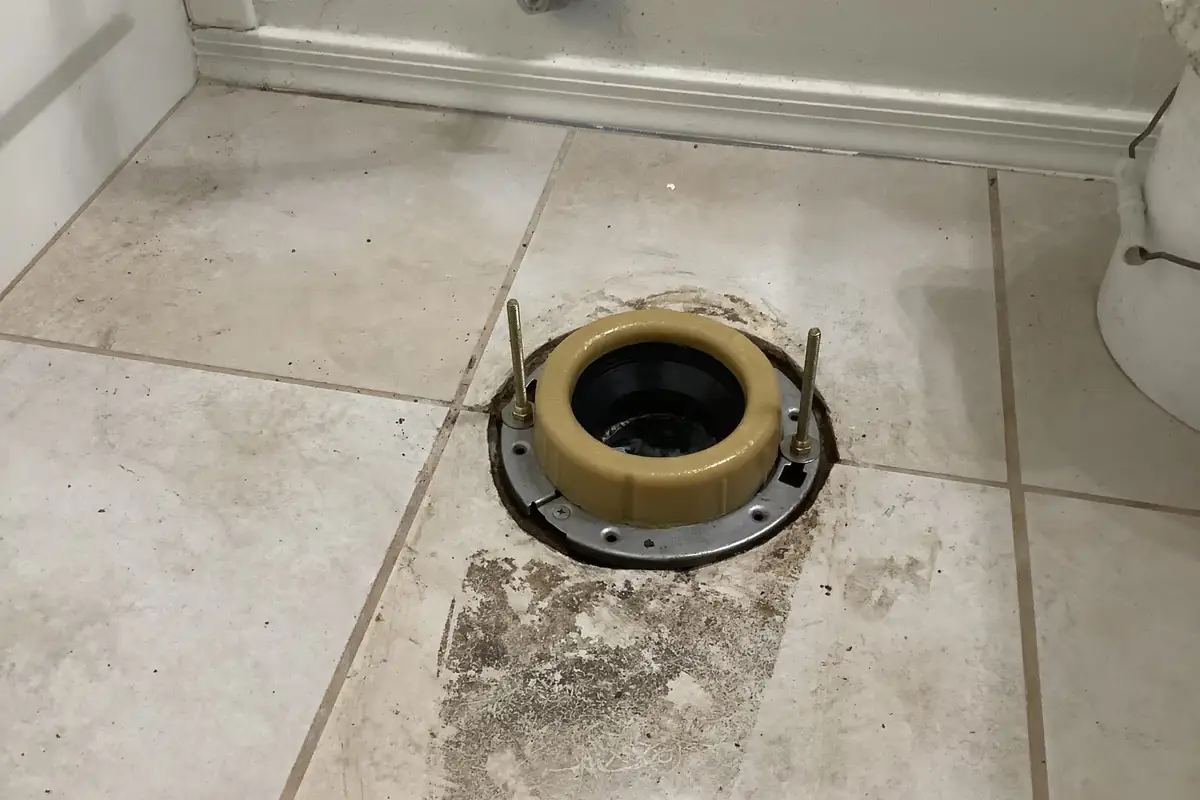
A failed toilet wax ring. A toilet seals to the drain with a wax ring pressed between the bowl and the closet flange, the round fitting in the floor that the toilet bolts to. If the toilet rocks or has leaked before, that seal can break and let gas escape. The smell is then strongest at floor level beside that one toilet.
A loose or missing cleanout cap. A cleanout is a capped access fitting that lets a plumber reach a clog in the drain line, and it is often outside near the foundation or in the garage. If its cap is loose, cracked or missing after earlier drain work, sewer gas has an open path into or around the house.
When the sewer line itself is the source
Farther down the system, Oatey’s list of causes includes a blocked sewer line, where a backup forces gases back into the home, and a broken sewer line, where cracks let gas escape. Warning signs include several drains slowing at once, water rising in a tub when a toilet flushes, or an odor that seems to come from the yard.
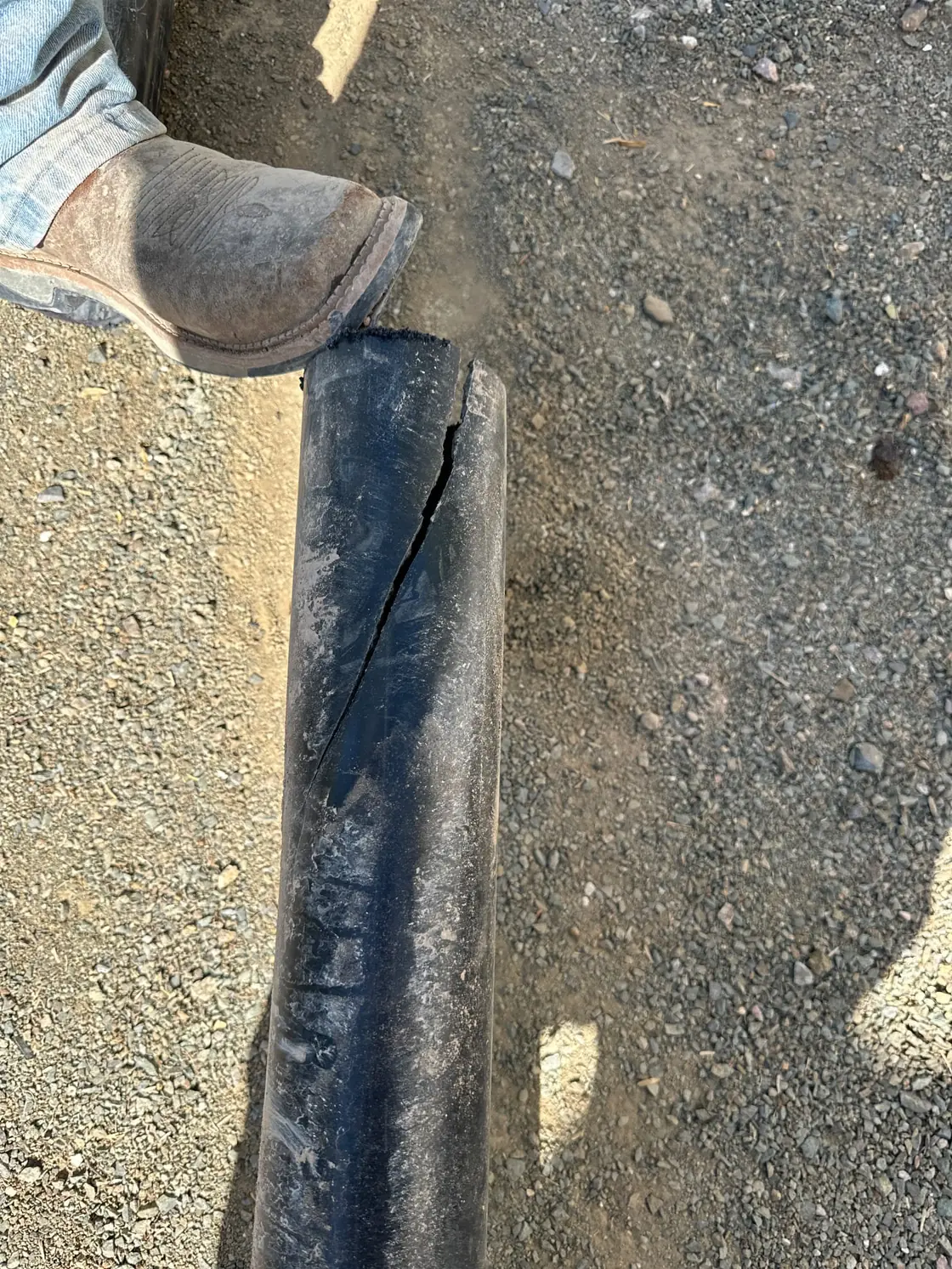
A cracked line is hidden underground or under the slab, so a plumber runs a camera through the pipe to find where it is cracked, separated or blocked before choosing a repair. If your symptoms point that way, the next step is sewer line inspection and repair.
A room-by-room check for a sewer smell
When we trace an odor in a Peoria home, we start with the easiest and most likely causes, and you can follow the same order:
- Note where the smell is strongest, and whether it follows flushing, showering or a load of laundry.
- Run water in every rarely used sink, tub and shower, and flush the guest toilet.
- Pour water slowly into any floor drain and the laundry standpipe to refill those traps.
- Press gently on each toilet to feel for rocking, then smell close to its base.
- Fill one glass from the hot tap and one from the cold tap at the same sink, then compare the smell.
- Listen for gurgling at nearby sinks and tubs while the washer empties or a full tub drains.
- Walk outside and check each cleanout cap near the foundation for cracks, looseness or a missing cap.
If the smell returns after you refill the traps, or you heard gurgling along the way, the remaining causes need a plumber.
Is a sewer gas smell a health risk?
The CDC’s ToxFAQs on hydrogen sulfide describe it as a flammable, colorless gas that smells like rotten eggs and is often called sewer gas. The CDC says people can lose the ability to smell it after about 2 to 15 minutes of exposure at about 100 ppm, so a fading smell does not mean the gas is gone. It also notes that lower, longer-term exposure can cause eye irritation, headache and fatigue.
If the smell is strong, open windows and doors, leave the house until it clears, and have a plumber find the source. Health questions belong with a medical professional: if anyone in the home has a headache, eye irritation or unusual tiredness that might be linked to the odor, call a doctor or Poison Control for advice instead of waiting it out.
Which fixes are yours and which need a plumber
Refilling a dry P-trap and tightening a loose cleanout cap are reasonable homeowner fixes. The other causes usually call for a plumber. Clearing a blocked vent means working on the roof and inside the vent stack, and resetting a toilet on a new wax ring means lifting a heavy fixture and getting the seal right.
A suspected sewer line problem needs a camera inspection before anyone digs, and a recurring smell with slow drains is a good reason to book drain cleaning and repair. Hot water that smells like rotten eggs calls for water heater repair, since replacing the anode means shutting off and depressurizing the tank. Homes in Goodyear, Litchfield Park and Sun City face the same causes in the same dry heat.
Frequently asked questions
Is sewer gas dangerous?
It can be, because hydrogen sulfide, the gas commonly called sewer gas, is flammable, and the CDC links lower exposure over a long period to headaches and fatigue. Air the house out and leave if the smell is strong, and if anyone feels unwell, ask a doctor or Poison Control for advice rather than guessing.
Why does my house smell like sewer only sometimes?
An odor that comes and goes usually tracks water use. A partly blocked vent may only siphon a trap when a large volume drains, such as a washer emptying, so the smell shows up afterward and fades once the trap refills.
Why does only my hot water smell like rotten eggs?
That pattern points to the water heater rather than the drains. Scottsdale’s water heater guide explains that bacteria can react with a magnesium anode and produce hydrogen sulfide, and that switching to an aluminum anode can help.
Can a dry drain cause a sewer smell?
Yes, and it is one of the first things to check, because the water sitting in the trap is the only thing keeping sewer gas out of the room. Running water down the drain refills the trap and usually clears the odor.
Get the smell traced to its source
If you have refilled the traps and the sewer smell keeps returning, or you are hearing gurgling, seeing slow drains or smelling it outside, the drains, vents and sewer line need a professional look. Call Trident Plumbing & Drain at the Peoria office at (623) 879-2020 or the North Phoenix office at (623) 257-3481, or schedule service online and tell us where the smell is strongest and when it shows up.