What to Do in a Plumbing Emergency: A Step-by-Step Guide for Arizona Homeowners




August 20, 2026
A burst pipe, overflowing toilet, leaking water heater, or unexplained pool of water can turn an ordinary day into a stressful situation quickly. When a plumbing emergency happens, the first few minutes matter. Knowing what to shut off, what to avoid, and when to call a plumber can help limit water damage and protect your home.
For Arizona homeowners, plumbing problems can be especially disruptive because many leaks are not immediately visible. A pipe may fail behind a wall, beneath a floor, or under a concrete slab. In other situations, the source is obvious, but stopping the water safely is the immediate priority.
The key is not to diagnose or repair every problem yourself. Your job during a plumbing emergency is to make the situation as safe as possible, stop additional water when you can, protect the property, and get qualified help when the problem requires professional attention.
This step-by-step guide explains what Arizona homeowners should do from the moment they discover a serious plumbing problem.
Summary: What to Do During a Plumbing Emergency
When you discover a plumbing emergency, follow these steps:
- Stay calm and identify the immediate danger.
- Shut off the water to the affected fixture or the home’s main water supply if necessary.
- Keep water away from electricity and avoid standing water near electrical outlets, appliances, or panels.
- Determine where the water appears to be coming from without opening walls or attempting unsafe repairs.
- Contain or collect water where it is safe to do so.
- Call a professional plumber when the leak cannot be stopped, the source is hidden, sewage is involved, or the plumbing system has suffered significant damage.
- Document visible damage and begin safe cleanup once the source of the water has been controlled.
If water is actively entering your home and you cannot stop it, treat the situation as urgent. Trident Plumbing’s emergency plumbing services are designed for plumbing problems that should not wait for a routine service appointment.
What Actually Counts as a Plumbing Emergency?
Not every dripping faucet or slow drain is an emergency. A plumbing emergency is generally a problem that poses an immediate risk of significant water damage, property damage, sanitation issues, or loss of an essential plumbing function.
The amount of water involved is not the only factor. Location, contamination, and your ability to control the problem also matter.
Common examples include:
- A burst or badly damaged water pipe
- Water rapidly spreading across a floor
- A leak that cannot be stopped with a fixture shutoff valve
- An overflowing toilet that continues to fill
- A sewage backup
- A major water heater leak
- A damaged main water line
- Water appearing unexpectedly through walls, ceilings, or flooring
- A suspected slab leak that is producing visible water or rapid property damage
- Multiple drains backing up at the same time
By contrast, a slowly dripping faucet or a single drain that is moving a little slower than normal may still need professional attention, but it usually does not require the same immediate response.
When a Small Leak Becomes an Urgent Problem
A leak does not have to look dramatic to deserve attention.
Water can travel along framing, pipes, drywall, flooring, and other building materials before appearing in a completely different location. A small wet spot may therefore represent a larger hidden problem.
Pay particular attention to:
- Water stains that suddenly grow
- Damp drywall or baseboards
- Flooring that feels unusually warm or wet
- Unexplained sounds of running water
- Water appearing when no fixture is being used
- A sudden drop in water pressure
- An unexpectedly high water bill
- Persistent moisture around cabinets, walls, or flooring
If you see water but cannot determine where it originates, avoid tearing into walls or floors to investigate. Professional leak detection can help narrow down a hidden source without unnecessary guesswork.
Arizona homeowners in areas such as Peoria can use professional leak detection services when the location of a leak is not obvious.
Step 1: Shut Off the Water Immediately
For many plumbing emergencies, the most important first action is stopping additional water from entering the affected area.
The correct shutoff depends on where the problem is located.
Use the Fixture Shutoff Valve When Possible
Many toilets, sinks, and other plumbing fixtures have individual shutoff valves. If the problem is isolated to one fixture and you can safely reach its valve, turning off that valve may stop the water without interrupting the supply to the entire home.
Turn the valve clockwise until it closes. Do not force a valve that is seized, corroded, or appears likely to break.
If the valve does not stop the water, move to the home’s main water shutoff.
Know Where Your Main Water Shutoff Is
Every homeowner should know the location of the main shutoff before an emergency occurs.
The exact location varies by property. If you are unsure where yours is, identify it now rather than waiting until water is spreading through the house.
Once the main supply is shut off, open a faucet at a low point in the home if appropriate to relieve remaining pressure in the plumbing system.
Do not repeatedly open and close valves while trying to diagnose a damaged pipe. Once the water is controlled, leave the system in a safe state until the problem can be properly assessed.
What If the Main Shutoff Does Not Work?
Older or damaged valves can fail.
If the main shutoff does not stop the flow, do not use excessive force or attempt to dismantle the valve during an active emergency. A broken shutoff can make an already serious plumbing problem worse.
This is a situation where professional assistance should be requested promptly. Problems involving the main supply may also require water main repair depending on where the failure occurs.
Step 2: Protect Your Home From Electrical and Water Damage
After stopping or reducing the water flow, your next priority is safety.
Water and electricity are a dangerous combination. Do not walk through standing water to reach an electrical panel, outlet, appliance, or plugged-in device.
If water is near electrical equipment, avoid the affected area and get appropriate professional assistance. Do not assume that shallow water is safe simply because you cannot see sparks or other obvious electrical activity.
Move Belongings Only When It Is Safe
If the area does not present an electrical, structural, or sanitation hazard, move vulnerable items away from the water.
This may include:
- Rugs
- Cardboard boxes
- Furniture
- Electronics
- Paper records
- Clothing
- Stored household items
Use buckets or containers to catch dripping water when doing so is safe. Towels can help control a small amount of clean water, but they are not a substitute for stopping an active leak.
If sewage or contaminated drain water is involved, avoid direct contact. Keep children and pets away from the area and wait for appropriate cleanup.
Step 3: Identify What Is Leaking, If You Can Do So Safely
Once the immediate flow of water is controlled, look for clues about what happened.
You do not need to make a technical diagnosis. The goal is to gather enough information to explain the situation clearly when you call a plumber.
Ask yourself:
- Is the water coming from a visible pipe?
- Did the problem begin while a toilet, sink, shower, dishwasher, or washing machine was being used?
- Is water coming from beneath a sink or cabinet?
- Is the water near the water heater?
- Are multiple drains backing up?
- Is water appearing from the floor or near the foundation?
- Is there a stain or wet area on a wall or ceiling?
- Does the problem continue when fixtures are turned off?
These observations can help distinguish between a fixture problem, supply-line leak, drain issue, water heater problem, or a leak hidden elsewhere in the plumbing system.
Do Not Turn an Inspection Into a DIY Demolition Project
When homeowners cannot immediately see a leak, it can be tempting to start removing drywall, cabinets, tile, or flooring.
That is usually not the best first move.
The visible water is not always directly beside the plumbing failure. Opening the wrong area can create additional repair costs without finding the source.
If you suspect that the leak is under the home’s foundation, professional slab leak services can help determine the appropriate next step before unnecessary demolition begins.
Step 4: Determine Whether You Are Dealing With a Hidden Leak
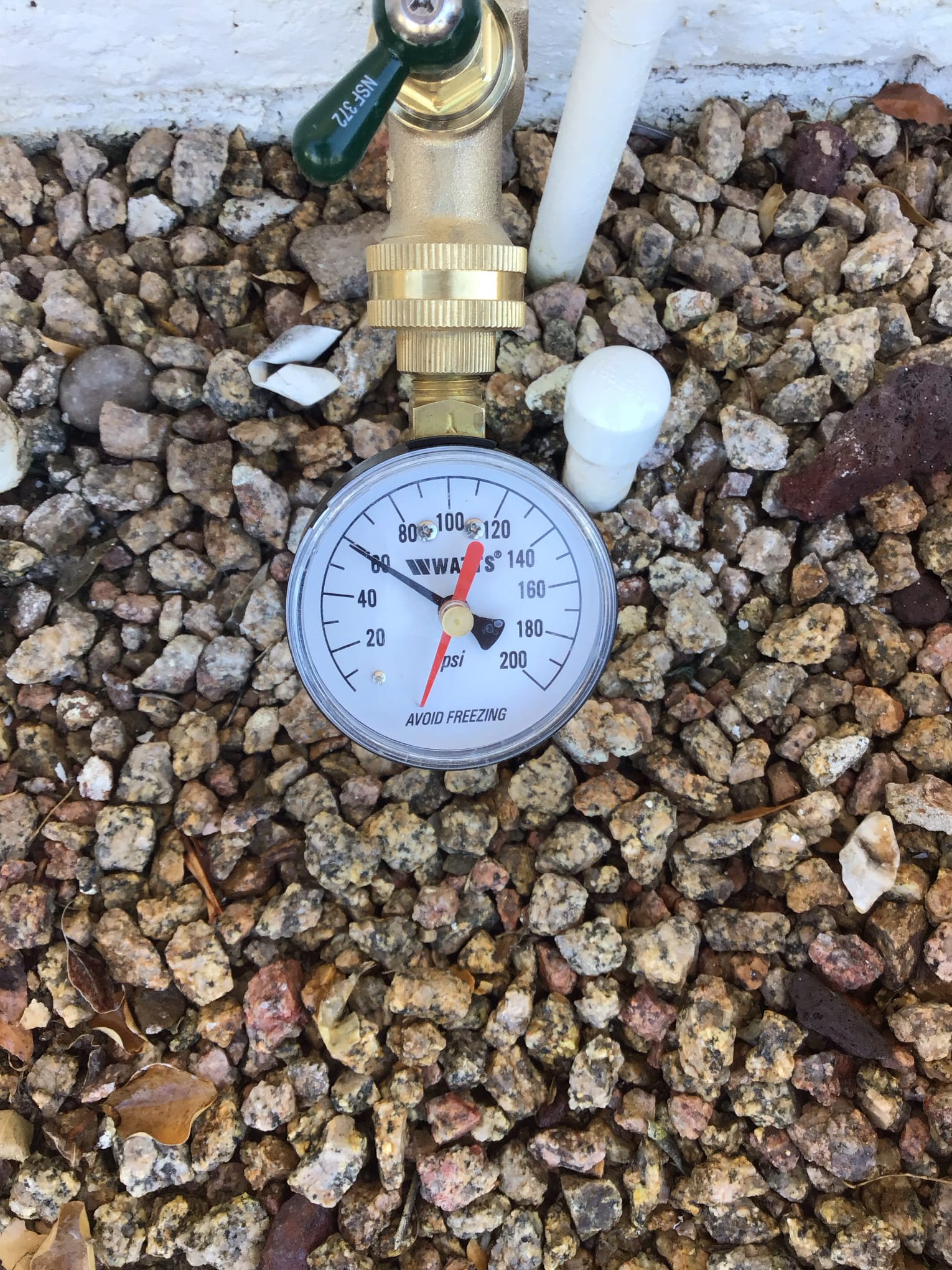
Some of the most difficult plumbing emergencies are the ones you cannot see.
A pipe can leak behind drywall, beneath cabinetry, inside a ceiling, or under the concrete slab while the actual source remains hidden. The first visible sign may be moisture, discoloration, an unusual sound, or a change in water pressure rather than water spraying from a pipe.
Arizona homeowners should take unexplained moisture seriously, particularly when it appears suddenly or continues after nearby fixtures have been turned off.
Signs That May Point to a Hidden Plumbing Leak
Watch for changes such as:
- Damp or discolored drywall
- Peeling or bubbling paint
- Wet baseboards
- Warped flooring
- Unexplained puddles
- The sound of running or dripping water when fixtures are off
- Reduced water pressure
- An unexplained increase in water use
- Warm areas on flooring
- Persistent moisture near walls or cabinets
- Water appearing along the edge of the foundation
None of these signs identifies the exact location or cause by itself. They are clues that further investigation may be necessary.
If you suspect a hidden leak, shut off the water when appropriate and avoid continuing to use plumbing fixtures that appear connected to the problem.
Professional leak detection is particularly useful when the source cannot be located visually. For homeowners in Surprise, Trident Plumbing provides leak detection services to help identify concealed plumbing problems.
Step 5: Know When a Plumbing Emergency Cannot Wait
One of the hardest decisions during a plumbing problem is determining whether you need immediate assistance or whether the repair can reasonably wait for a normal appointment.
A useful question is simple:
Will waiting allow the problem to cause significantly more damage, create a sanitation concern, or leave an essential plumbing system unusable?
If the answer is yes, the problem should generally be treated as urgent.
Here is a practical guide for Arizona homeowners.
Plumbing Emergency Quick-Response Guide
| Plumbing Problem | What You Should Do First | How Urgent Is It? |
| Burst or broken pipe | Shut off the main water supply | Immediate |
| Major uncontrolled leak | Shut off the nearest valve or main water supply | Immediate |
| Sewage backing up into the home | Stop using drains and plumbing fixtures | Immediate |
| Overflowing toilet that will not stop | Close the toilet shutoff valve | Immediate |
| Major water heater leak | Stop the water supply if it is safe to do so | Urgent |
| Water near electrical equipment | Stay clear of the affected area | Immediate safety concern |
| Hidden leak causing active water damage | Shut off water if appropriate | Urgent |
| Multiple drains backing up | Stop using water throughout the home | Urgent |
| Small controllable faucet drip | Close the fixture valve if necessary | Usually can be scheduled |
| Slow single drain | Limit use and arrange service | Usually can be scheduled unless conditions worsen |
The purpose of this table is not to diagnose the plumbing problem. It is to help you decide how quickly you should respond.
Step 6: Respond Correctly to the Type of Plumbing Emergency
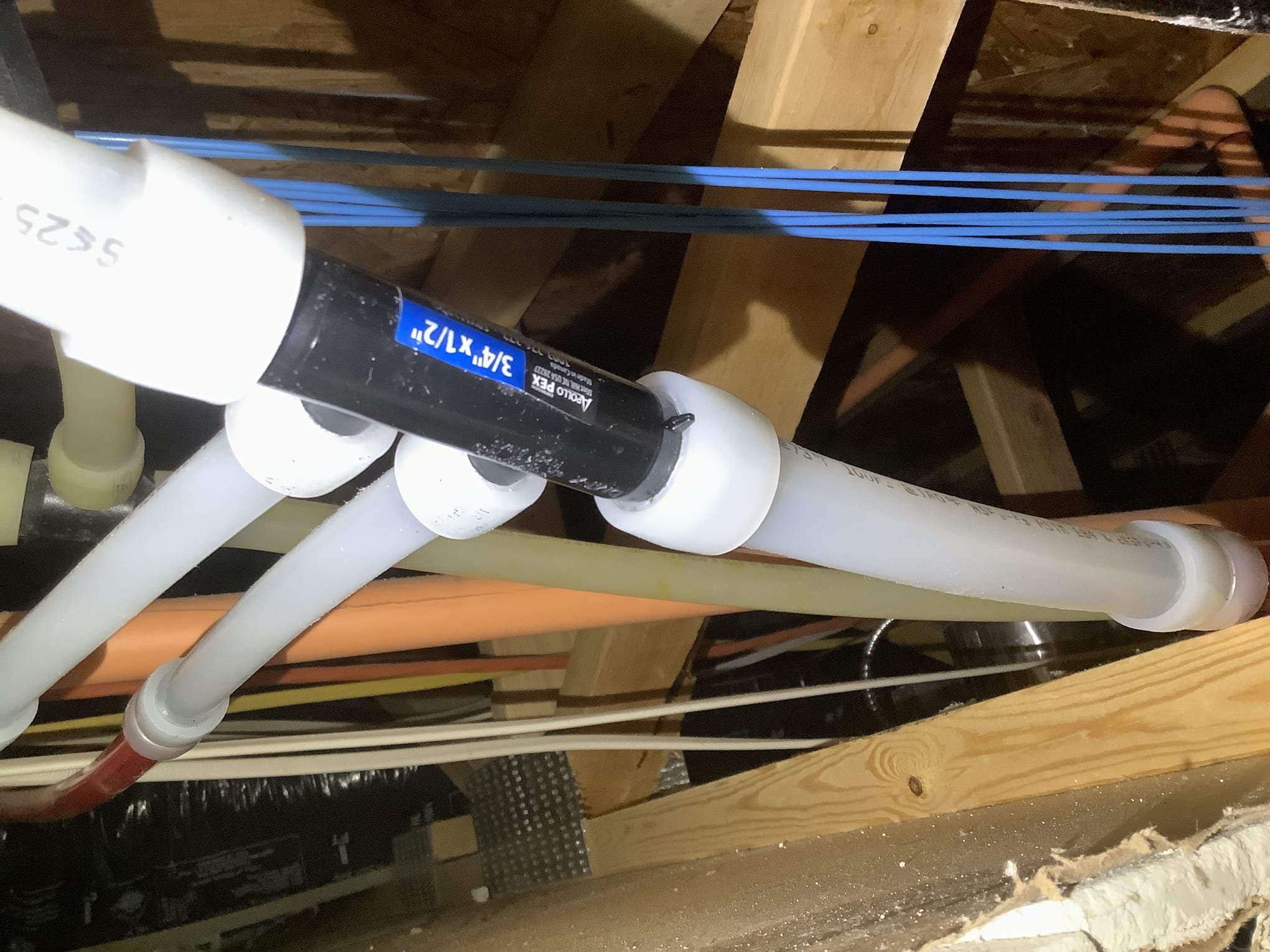
Different plumbing emergencies require different immediate actions. Once you have controlled the water and addressed immediate safety concerns, consider what type of problem you are facing.
Burst or Damaged Pipes
A burst pipe can release a significant amount of water in a short period of time.
If you can see or strongly suspect a broken pressurized water pipe:
- Shut off the main water supply.
- Keep people away from standing water near electrical sources.
- Move vulnerable belongings when it is safe.
- Collect or remove clean water where practical.
- Call a plumber.
Do not restore the water simply to see whether the pipe is still leaking. A damaged section may require professional pipe repair or replacement before the system can safely return to normal use.
If recurring leaks are associated with aging or deteriorated piping, the plumber may also recommend evaluating whether a larger piping or repiping issue exists.
Overflowing Toilets
An overflowing toilet can quickly spread water across a bathroom floor.
If the toilet continues filling, close its shutoff valve. Do not continue flushing in an attempt to clear the problem.
If the bowl is full because of an obstruction, additional flushing can push more water onto the floor. If sewage is present, minimize contact and keep the affected area isolated.
A single toilet clog may be localized. However, if toilets, showers, tubs, and other drains are backing up at the same time, the problem may extend beyond the individual fixture.
Multiple Slow or Backed-Up Drains
One slow drain can indicate a localized blockage. Several drains backing up together deserve more attention.
Stop running water through the affected plumbing system. Continuing to use sinks, showers, washing machines, or toilets can add more wastewater to a drainage system that is already struggling to carry it away.
Professional drain cleaning and repair may be appropriate when the problem involves persistent blockages or backups.
Avoid pouring multiple chemical drain products into the system during an emergency. Besides failing to address some types of blockages, chemicals left in the drain can create an additional hazard for anyone who later works on the plumbing.
Water Heater Leaks
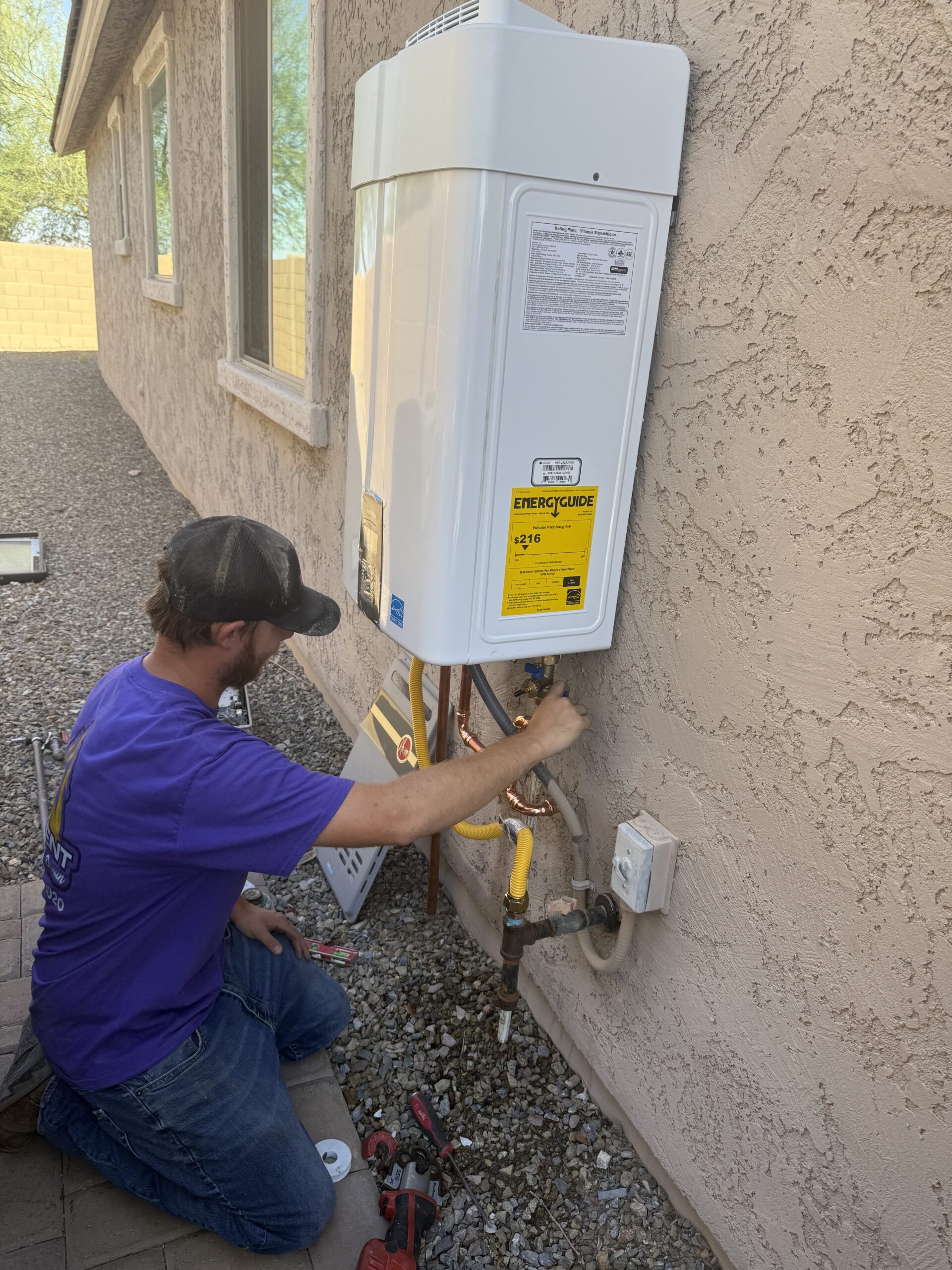
Not every small amount of moisture around a water heater means the tank itself has failed. Water can originate from nearby connections, valves, or other components.
However, substantial water collecting around the unit should not be ignored.
If you encounter a significant water heater leak:
- Keep away from electrical components and connections.
- Do not attempt to dismantle the water heater.
- Stop the incoming water when you know how to do so safely.
- Arrange for professional assessment.
A plumber can determine whether the problem is repairable or whether the water heater itself needs replacement.
Suspected Slab Leaks
A slab leak occurs in plumbing located beneath or within the home’s concrete foundation.
Unlike a visible pipe beneath a sink, the leaking section may be inaccessible without specialized evaluation.
Possible warning signs can include unexplained moisture, unusual water sounds, warm flooring, changes in water pressure, or water appearing near flooring or the foundation.
If a slab leak is actively causing water damage, shutting off the home’s water supply may be necessary until the problem can be assessed.
Do not begin breaking concrete based only on where moisture happens to appear. Water can move before becoming visible, so the wettest spot is not necessarily directly above the damaged pipe.
Step 7: Call a Plumber and Give Them the Right Information
Once the immediate situation is controlled, contact a professional plumber.
The information you provide can help the plumbing company understand what is happening and how urgent the call may be.
Be ready to explain:
- What you first noticed
- Where water is visible
- Whether the water is still flowing
- Whether you shut off the main water supply
- Whether one or several fixtures are affected
- Whether sewage is involved
- Whether the water is near electrical equipment
- Whether you heard unusual sounds before discovering the problem
- Whether the problem involves a water heater
- Whether you have noticed previous leaks in the same area
You do not need to know plumbing terminology. A straightforward description of what you can see, hear, and smell is more useful than trying to guess the technical cause.
Take Photos When It Is Safe
Before cleanup changes the appearance of the affected area, take photographs or short videos if you can do so safely.
Document:
- Where the water first appeared
- Visible plumbing damage
- Wet walls, flooring, cabinets, or ceilings
- Damaged belongings
- The approximate extent of the affected area
This record can help you remember what happened and may be useful if you later need documentation for property-related purposes.
Do not delay an urgent shutoff, plumbing call, or necessary cleanup simply to take photographs.
Step 8: Limit Additional Damage While You Wait for the Plumber
Once the water has been shut off and professional help is on the way, focus on preventing conditions from getting worse.
For clean water that can be handled safely, you may be able to use towels, buckets, a wet vacuum designed for water, or other appropriate equipment to remove standing moisture.
Ventilation may also help begin drying an affected area when electrical conditions are safe.
Do not enter an area containing sewage or potentially energized water simply to start cleanup.
Do Not Turn the Water Back On Too Soon
It can be inconvenient to have the home’s water supply shut off, particularly when the plumbing appointment is not immediate.
Still, turning it back on to use a sink, shower, toilet, or appliance can restart the leak and undo the steps you took to limit damage.
If a pressurized water pipe is damaged, leave the supply off until you know it can safely be restored.
Avoid Temporary Repairs That Can Hide a Bigger Problem
A temporary measure may occasionally help control a minor issue, but it should not create false confidence that a serious leak has been resolved.
Tape, sealants, improvised clamps, or similar DIY measures do not necessarily restore a damaged plumbing system to reliable condition.
If a pipe has deteriorated enough to fail in one location, a professional inspection can also help determine whether the failure is isolated or part of a broader problem.
Ongoing maintenance can help identify developing plumbing concerns before some of them become emergencies. Trident Plumbing lists plumbing maintenance among its existing plumbing services.
Arizona Plumbing Emergencies Come With Their Own Challenges
Arizona homeowners face plumbing conditions that can make early detection especially important. Long periods of hot weather, hard water, aging plumbing components, shifting soil conditions, and heavy household water use can all place stress on residential plumbing systems.
The challenge is that plumbing emergencies do not always begin dramatically. A pipe connection may deteriorate gradually. A hidden leak may continue behind a wall. A slab leak may go unnoticed until moisture becomes visible. A drain problem may start as occasional slow drainage before developing into a backup.
That is why homeowners should pay attention to changes in how their plumbing system normally behaves.
A sudden increase in the water bill, unexplained moisture, recurring clogs, reduced pressure, or the sound of water running when fixtures are off can justify further investigation even when there is no obvious emergency yet.
Hard Water Can Affect Plumbing Components
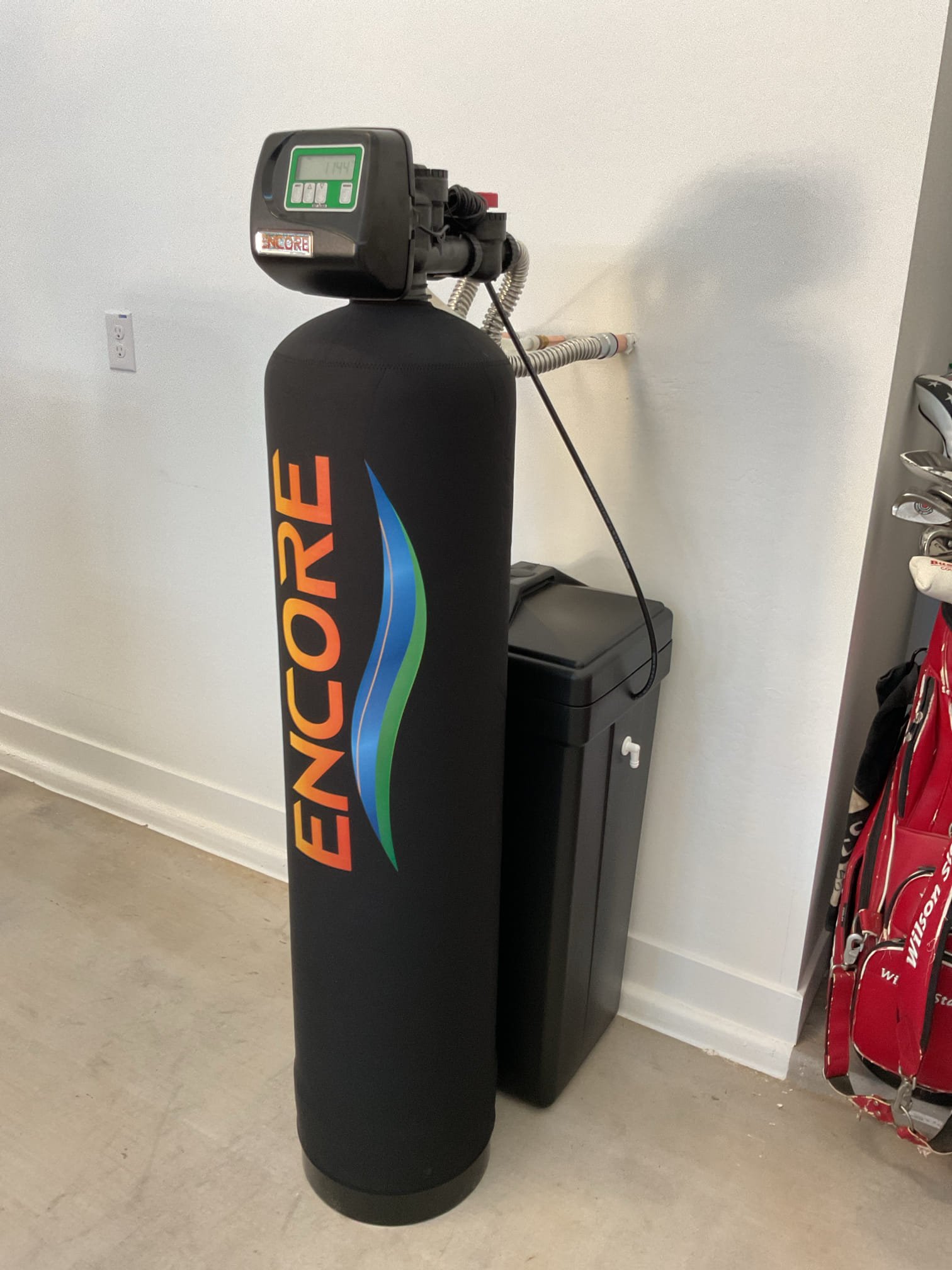
Arizona is well known for mineral-rich water. Over time, mineral deposits can accumulate on fixtures and inside certain plumbing components. Scale buildup can contribute to reduced flow and may affect appliances and plumbing equipment.
Hard water does not mean that every home will experience a plumbing emergency, but it is one reason routine inspection and maintenance can be valuable.
The objective is simple: identify smaller plumbing concerns before they have an opportunity to become disruptive failures.
What You Should Never Do During a Plumbing Emergency
Knowing what not to do can be just as valuable as knowing which steps to take.
A stressful situation can lead homeowners to make quick decisions that unintentionally increase property damage or create unnecessary safety risks.
Avoid these common mistakes:
- Do not keep using water when several drains are backing up. Additional wastewater needs somewhere to go and can worsen an existing backup.
- Do not repeatedly flush an overflowing toilet. Close the fixture shutoff valve instead.
- Do not walk into standing water near electrical equipment.
- Do not force a corroded or seized shutoff valve. Breaking it can create another leak.
- Do not turn the main water supply back on simply to test an obviously damaged pipe.
- Do not start cutting walls or breaking concrete because you think you know where a hidden leak is located.
- Do not rely on chemical drain cleaners to solve a serious sewer or drainage backup.
- Do not ignore a leak because the visible amount of water appears small.
- Do not attempt plumbing work involving equipment or systems you are not qualified to handle safely.
Most importantly, do not allow uncertainty about the source to delay action when water is actively damaging the property.
You do not need to diagnose the problem before calling a plumber.
Build a Plumbing Emergency Plan Before You Need One
The easiest plumbing emergency to manage is one you have prepared for.
You do not need an elaborate disaster plan. A few practical preparations can save valuable time when something goes wrong.
Your Home Plumbing Emergency Checklist
Every homeowner should know:
- Where the main water shutoff is located
- How to operate the main shutoff
- Where individual fixture shutoff valves are located
- Which household members know how to shut off the water
- Where the water heater is located
- Which plumber to contact during an emergency
- Where flashlights and basic cleanup supplies are stored
Check accessible shutoff valves periodically rather than discovering during an emergency that a valve is corroded or inaccessible.
You should also keep the area surrounding the main shutoff reasonably clear. A perfectly functional valve is not much help when it is hidden behind boxes or difficult to reach while water is spreading across the floor.
Learn What Is Normal for Your Home
Familiarity with your plumbing system can make unusual changes easier to recognize.
Know what your typical water pressure feels like. Pay attention to how quickly sinks and showers normally drain. Investigate recurring sounds rather than automatically assuming they are harmless.
Similarly, reviewing your water usage can sometimes reveal problems that are not immediately visible.
No single change automatically means you have a serious plumbing problem. However, several unexplained symptoms appearing together deserve attention.
After the Repair: Make Sure the Water Damage Is Addressed
Stopping the plumbing leak solves the source of the water, but it does not automatically reverse damage that has already occurred.
Water may have reached drywall, insulation, flooring, cabinets, framing, or other porous materials before the plumbing repair was completed.
After the source is repaired, inspect the affected area carefully.
Depending on the extent of the incident, additional work may include:
- Removing standing water
- Drying wet building materials
- Removing materials that cannot be adequately dried
- Cleaning affected surfaces
- Monitoring moisture levels
- Repairing damaged drywall or flooring
- Restoring cabinets, trim, or finishes
A small amount of clean water caught immediately may require relatively simple cleanup. A larger event, concealed moisture, or contaminated water can require professional water extraction and structural drying.
The important distinction is that plumbing repair and property restoration solve different parts of the same event.
The plumber identifies and repairs the plumbing failure. If significant property damage has resulted, appropriate water-damage or restoration professionals may be needed afterward.
Frequently Asked Questions About Plumbing Emergencies
What is the first thing I should do during a plumbing emergency?
If water is actively leaking, determine whether you can safely shut off the affected fixture or the home’s main water supply. Your immediate priorities are stopping additional water and avoiding electrical or sanitation hazards. Once the situation is controlled as much as possible, contact a plumber.
Should I shut off my entire home’s water for every leak?
Not necessarily. If the leak is isolated to a fixture and its individual shutoff valve completely stops the water, shutting off the entire home may not be necessary. If the fixture valve does not work, the leak is hidden, or water continues flowing, the main shutoff may be appropriate.
Is an overflowing toilet considered a plumbing emergency?
It can be. Close the toilet’s shutoff valve if the bowl continues filling and do not flush it again. If sewage is overflowing, the toilet cannot be isolated, or several drains are backing up simultaneously, prompt professional assistance is recommended.
Why are several drains backing up at once?
When several fixtures experience drainage problems simultaneously, the issue may involve a larger portion of the drainage system rather than one individual fixture. Stop adding water to the system and arrange professional evaluation.
How can I tell whether I have a hidden plumbing leak?
Possible warning signs include unexplained dampness, staining, peeling paint, warped flooring, unusual water sounds, warm flooring, reduced water pressure, and unexpected increases in water consumption. Professional leak detection may be necessary to locate the actual source.
Is a slab leak a plumbing emergency?
It can become one, especially if water is actively escaping beneath the foundation or entering the home. Slab leaks can be difficult to locate without appropriate equipment, so avoid breaking concrete based only on where moisture appears.
Can I repair a burst pipe myself?
Shutting off the water and controlling the immediate situation are useful homeowner actions. Repairing the damaged pipe correctly is different. The appropriate repair depends on the pipe material, location, condition, and cause of failure. Significant pipe failures are best evaluated by a qualified plumber.
Should I use chemical drain cleaner during a plumbing emergency?
Chemical drain cleaners are not an appropriate response to many serious drainage emergencies, particularly when multiple fixtures are backing up. Stop using the affected plumbing and arrange for the obstruction or drainage problem to be properly evaluated.
When should I call an emergency plumber?
Call promptly when water cannot be controlled, a pipe has burst, sewage is entering the home, several drains are backing up, a major water heater leak occurs, or a hidden plumbing failure is causing active property damage.
A Few Minutes of Preparation Can Protect Your Home

A plumbing emergency becomes much easier to manage when you already know what to do.
Remember the basic sequence: protect people first, stop the water when it is safe, avoid electrical and sanitation hazards, determine what you can about the source, and contact a qualified plumber when the situation requires professional repair.
Do not wait for a burst pipe to learn where your main shutoff is located. Do not ignore unexplained moisture simply because you cannot see a damaged pipe. And do not continue using a plumbing system that is actively backing up or leaking.
Early action cannot guarantee that a plumbing emergency will cause no damage, but it can significantly limit how much opportunity escaping water has to spread.
For Arizona homeowners who need help with an urgent plumbing problem, Trident Plumbing & Drain provides plumbing services across its listed Arizona service areas, including Mesa, Gilbert, Queen Creek, Chandler, Ahwatukee, Peoria, Surprise, and surrounding communities.
by Weslo Digital