
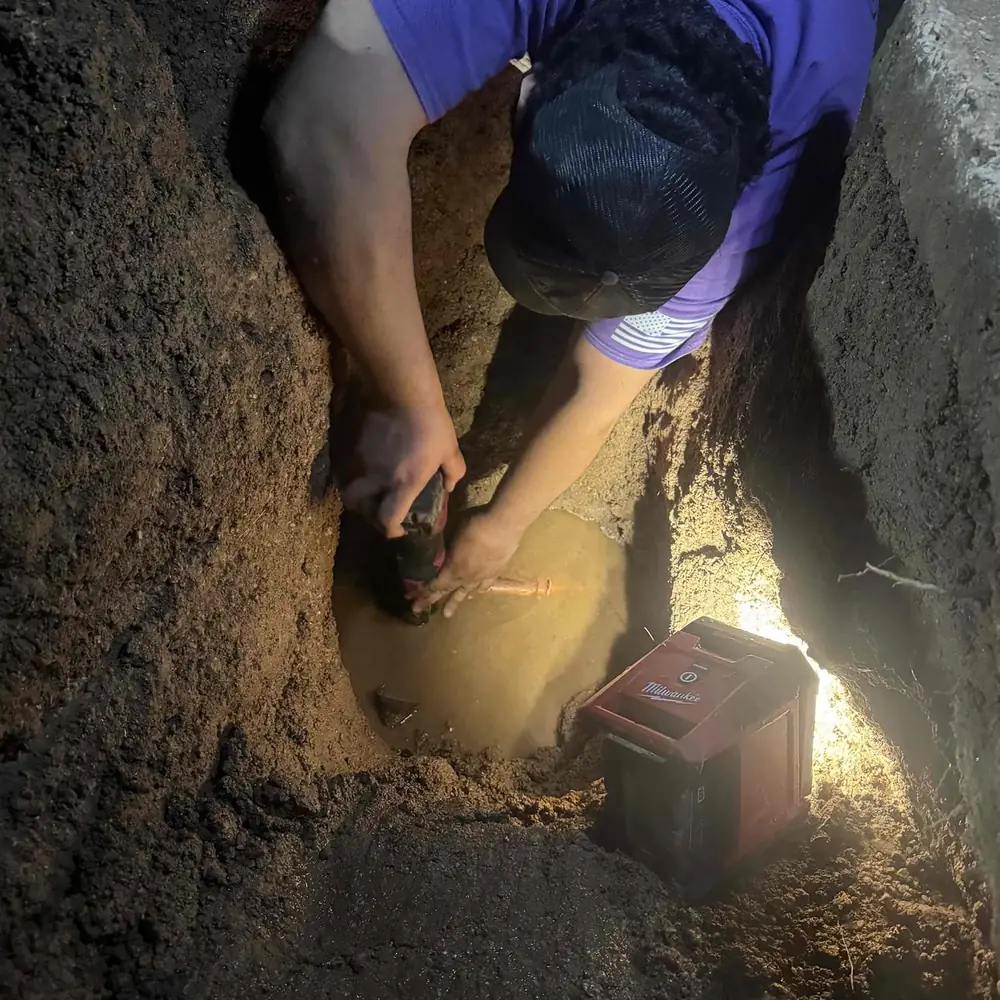
A slab leak can begin quietly beneath your home and remain hidden long enough to cause expensive damage. Unlike a dripping faucet or leaking supply line, water escaping beneath a concrete foundation may not be immediately visible. Instead, homeowners may notice subtle changes such as a higher water bill, warm flooring, unexplained dampness, or the sound of running water when every fixture is turned off.
Recognizing the signs of a slab leak early can make an enormous difference. A small underground plumbing leak can waste water and eventually affect flooring, baseboards, drywall, and other materials if moisture migrates beyond the slab.
For Arizona homeowners, knowing what to look for and when to arrange professional slab leak detection and repair can help turn a hidden plumbing problem into a manageable repair rather than a major household disruption.
Summary: Signs of a Slab Leak at a Glance
A slab leak occurs when a water line located beneath or within a home’s concrete foundation develops a leak. Because the pipe is concealed, the first warning is often something happening elsewhere in the home.
Watch for these common indicators:
- An unexplained increase in your monthly water bill
- The sound of running or trickling water when fixtures are off
- Warm or unusually hot areas on the floor
- Damp flooring, carpet, or baseboards without an obvious source
- Reduced or inconsistent water pressure
- Cracks or changes in flooring
- A water meter that continues moving when no water is being used
- Musty odors or persistent indoor moisture
- Water appearing around the perimeter of the foundation
One symptom alone does not necessarily confirm a slab leak. Several warning signs occurring together, however, deserve attention. Professional leak detection can help determine whether water is escaping beneath the foundation and pinpoint the affected area before unnecessary repair work begins.
What Exactly Is a Slab Leak?
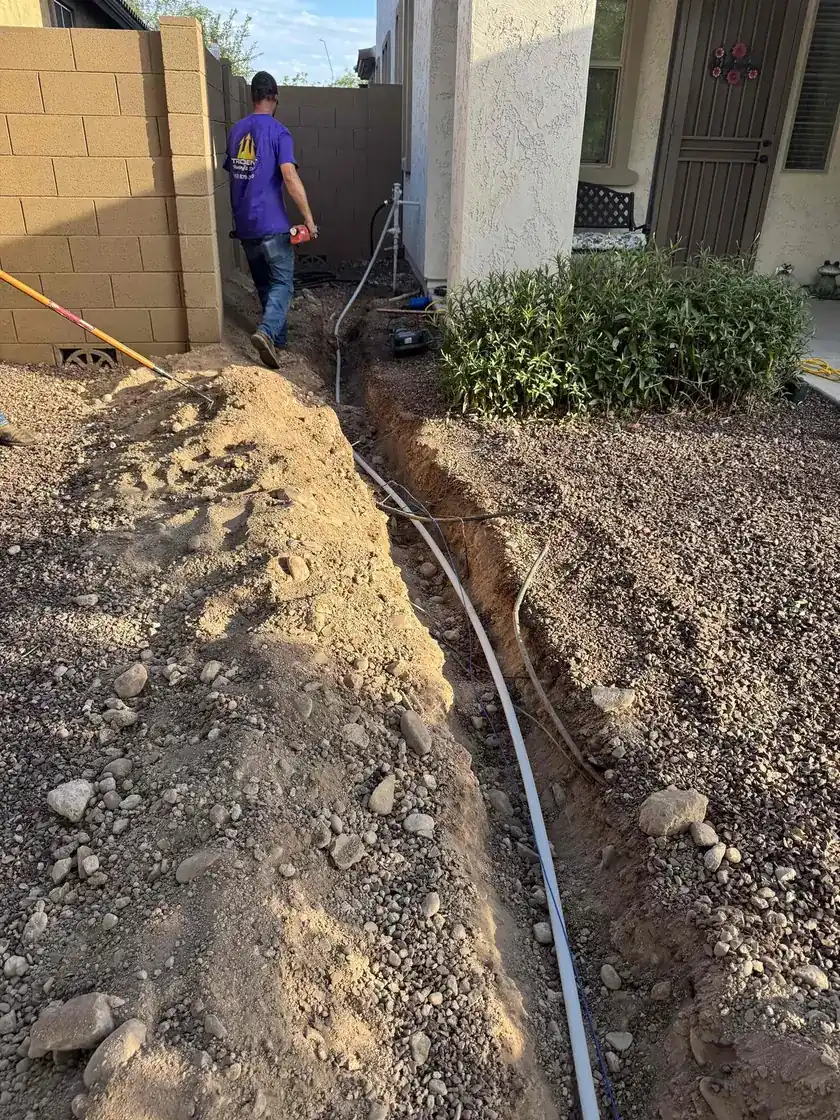
A slab leak is a leak in plumbing located underneath or within the concrete slab foundation of a home. Depending on the home’s plumbing layout, the affected line may carry hot or cold water.
The location is what makes these leaks challenging. If a pipe beneath a sink develops a leak, homeowners can often see the water immediately. A pipe underneath several inches of concrete provides no such obvious warning. Water may escape into the material surrounding the pipe for some time before symptoms become noticeable inside the house.
A slab leak can develop for several reasons. Pipe age and deterioration can play a role, while movement, friction, corrosion, installation issues, or changing conditions around the piping may contribute in other situations. The actual cause cannot be reliably determined from symptoms alone.
That distinction matters because the visible symptom is not necessarily located directly above the damaged pipe. Water can move through cracks, soil, flooring materials, and other pathways before it becomes noticeable.
Professional detection therefore focuses on identifying the source rather than simply opening the floor where moisture happens to appear. Depending on the circumstances, a plumber may evaluate pressure, plumbing behavior, water-meter activity, sound, temperature changes, or other clues to narrow down the leak location.
Homeowners who suspect a hidden leak can arrange professional plumbing services rather than waiting for visible standing water to appear.
The Warning Signs Your Home May Be Giving You
The earliest signs of a slab leak are easy to dismiss because many can initially look like unrelated household problems. Knowing how they fit together can help you recognize when further investigation is warranted.
1. Your Water Bill Suddenly Climbs
An unexplained increase in water consumption is one of the most useful clues. If your household routines have remained essentially the same but water usage rises, water may be escaping somewhere in the plumbing system.
Compare several months of bills rather than relying on one unusually high statement. Seasonal irrigation, guests, or increased household use can also raise consumption.
2. You Hear Water When Everything Is Off
Turn off faucets, washing machines, dishwashers, irrigation, and other water-using equipment. In a quiet home, listen for hissing, trickling, or running-water sounds.
Water sounds with no identifiable fixture operating deserve investigation.
3. A Section of Flooring Feels Warm
An unusual warm spot can be an important clue when a hot-water line beneath the slab is leaking. The escaping hot water may warm the concrete and eventually the finished flooring above it.
The key is an unexplained, persistent temperature difference rather than ordinary warmth caused by sunlight or appliances.
4. Floors or Baseboards Become Damp
Moisture may eventually migrate upward or outward from a concealed leak. Carpet can feel damp, flooring may change appearance, or moisture can emerge near baseboards without an obvious spill or fixture leak.
5. Water Pressure Changes
A significant supply-line leak can sometimes contribute to changes in water pressure. Pressure loss has many possible causes, so it should be considered alongside other symptoms rather than treated as proof by itself.
6. You Notice Musty Odors
Persistent moisture beneath flooring or around building materials may produce a musty smell. An unexplained odor that remains despite normal cleaning warrants further investigation, especially when accompanied by dampness or other plumbing symptoms.
Homeowners who recognize several of these symptoms should consider professional leak detection rather than relying solely on what can be seen at floor level.
A Simple Water Meter Check Can Reveal Hidden Water Loss
Your water meter can provide a useful preliminary clue before a plumber arrives.
First, make sure nobody in the home is intentionally using water. Turn off faucets and water-using appliances and make sure toilets are not actively refilling. If applicable, ensure irrigation or other automatic water systems are not operating.
Locate the water meter and record its reading or observe its leak indicator. Wait without using water, then check it again. If the meter registers continued consumption while everything is supposed to be off, water may be flowing somewhere in the system.
Water Meter Check
| Step | What to Do | What It May Tell You |
| 1 | Turn off all faucets and water-using appliances | Establishes a no-use baseline |
| 2 | Confirm toilets and irrigation are not running | Helps eliminate normal water consumption |
| 3 | Record the meter reading | Gives you a starting point |
| 4 | Avoid using water for a period of time | Allows hidden consumption to become noticeable |
| 5 | Check the meter again | Continued movement may indicate a leak |
| 6 | Contact a plumber if unexplained usage continues | Professional testing can locate the source |
Importantly, a moving meter can indicate water loss somewhere in the plumbing system, but it does not prove that the leak is beneath the slab. A leaking toilet, irrigation system, fixture, supply line, or another plumbing problem may also cause unexplained consumption.
That is why the meter test is best treated as an early diagnostic clue, not a final diagnosis. If it suggests continuous water use, the next step is determining where that water is going.
For homeowners experiencing substantial uncontrolled water loss or another urgent plumbing situation, Trident also provides emergency plumbing services.
Why Slab Leaks Can Become More Serious When They Go Unnoticed
A slab leak does not automatically mean a home’s foundation is about to fail. However, allowing water to escape beneath or around a home for an extended period can create increasingly complicated problems.
The first concern is continuous water loss. Even a leak that produces no visible puddle may waste a significant amount of water because the supply line remains pressurized. That can explain why an unexplained increase in a water bill is often one of the earliest signs of a slab leak.
The second concern is where that water travels. Moisture does not necessarily remain directly beneath the damaged pipe. Depending on the location and surrounding materials, it may migrate through or around the slab and reach flooring, baseboards, drywall, cabinetry, or other materials.
Over time, homeowners might notice:
- Carpet that remains damp without an obvious spill
- Warped, lifting, or discolored flooring
- Baseboards showing moisture-related changes
- Persistent musty odors
- Damp areas appearing near walls or cabinets
- Water surfacing near the foundation
- Increasingly noticeable hot spots when a hot-water line is involved
This is one reason homeowners should not wait for standing water before investigating suspected leaks.
Arizona’s climate can also make the situation easy to underestimate. Because the environment is generally dry, homeowners may assume moisture will simply evaporate. Yet water that reaches enclosed spaces or porous materials can remain concealed. Dry conditions outside do not guarantee that materials underneath flooring, behind baseboards, or inside wall cavities are dry.
The practical goal is early detection. Finding and repairing a leak while symptoms are limited can reduce the opportunity for secondary damage to develop.
If the problem is discovered beneath the slab, a professional plumber can determine an appropriate repair strategy rather than relying on guesswork.
Slab Leak or Something Else? How to Read the Clues
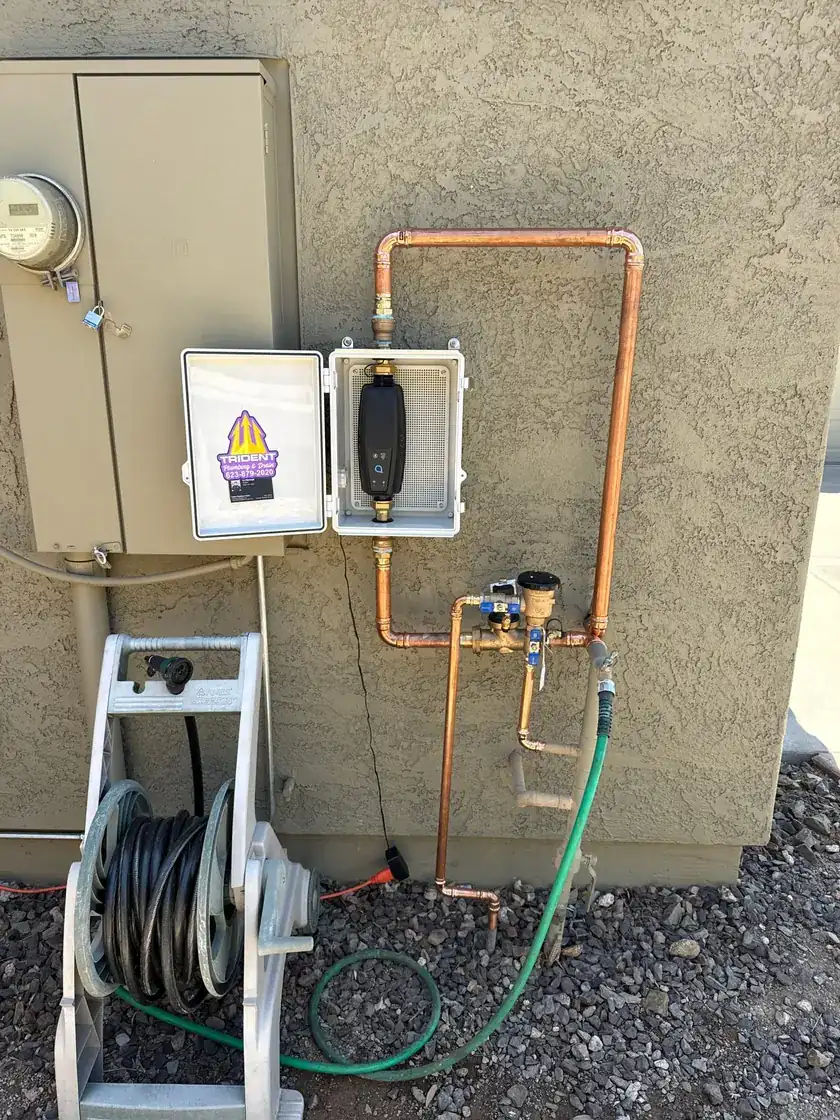
Many slab leak symptoms overlap with other plumbing problems. A high water bill, for example, could come from a running toilet. Low pressure could originate from another section of the plumbing system. Damp flooring near a refrigerator or dishwasher might be caused by an appliance connection.
That is why homeowners should look for patterns of evidence rather than diagnosing a slab leak based on a single symptom.
| What You Notice | Possible Explanation | When a Slab Leak Becomes More Suspicious |
| Higher water bill | Increased usage, irrigation, running toilet, hidden leak | Usage rises without a change in household habits |
| Warm floor | Sunlight, appliance heat, hot-water leak | One localized area stays unusually warm |
| Damp flooring | Spill, appliance leak, fixture leak | Moisture returns with no visible source |
| Running-water sound | Toilet, appliance, irrigation | Sound continues while water fixtures are off |
| Lower water pressure | Fixture issue, valve issue, supply problem | Appears with other hidden-leak symptoms |
| Musty odor | Humidity or unrelated moisture | Odor persists near unexplained damp areas |
The important takeaway is that multiple signs occurring together strengthen the case for professional investigation. A warm floor combined with unexplained meter movement and rising water consumption, for example, provides more useful information than any of those symptoms alone.
How Professional Slab Leak Detection Narrows Down the Source
One of the biggest concerns homeowners have about slab leaks is whether locating one automatically means tearing open large sections of flooring and concrete.
Professional leak detection is intended to avoid that kind of guesswork.
A plumber can begin by confirming that abnormal water loss is actually occurring and determining which part of the plumbing system may be involved. The specific diagnostic approach depends on the home’s plumbing configuration and the symptoms present.
The objective is to narrow down the source as accurately as possible before determining how the repair should be performed.
This matters because the place where you see evidence of water may not be the place where the pipe is actually leaking. Moisture can migrate from its original source before becoming visible.
Once the affected line and likely leak location have been identified, the plumber can evaluate repair options based on factors such as accessibility, pipe condition, location, and whether the problem appears isolated or indicates a broader piping concern.
For example, a localized failure may call for a targeted repair. In other circumstances, rerouting or replacing a section of piping may be more practical than repeatedly accessing piping beneath the slab. Homes with more widespread piping problems may require a broader conversation about piping and repiping solutions.
Most importantly, homeowners should avoid assuming that a particular repair method is necessary before the leak has been properly evaluated. Accurate diagnosis comes first. Repair recommendations should follow the actual location and condition of the affected plumbing.
What to Do When You Suspect a Slab Leak
If you recognize several signs of a slab leak, acting methodically can help limit water loss while giving your plumber useful information.
1. Rule Out Obvious Water Use
Check faucets, toilets, outdoor irrigation, appliances, hose bibs, and visible supply connections. An obvious fixture leak may explain the problem without involving the slab at all.
2. Check Your Water Meter
Use the no-water-use test described earlier. Continued meter activity when all water use has stopped is an important clue that should be reported to your plumber.
3. Document What You Notice
Take photographs of damp areas, flooring changes, or visible water. Note where warm spots occur and save recent water bills if consumption has unexpectedly increased.
4. Avoid Unnecessary Demolition
Do not begin removing flooring or breaking concrete simply because one area feels damp or warm. The visible symptom may not be directly above the leak.
5. Know Where Your Main Water Shutoff Is
If water begins surfacing rapidly or the leak becomes substantial, shutting off the home’s water supply can help stop additional water from entering the damaged line. Homeowners who are unsure how to operate their shutoff should seek professional guidance rather than forcing a valve that appears damaged or stuck.
6. Arrange Professional Diagnosis
Contact a plumber when unexplained water use continues, symptoms recur, or several warning signs point toward a concealed supply-line leak.
Trident Plumbing & Drain provides slab leak services across its Arizona service area, including dedicated slab leak repair in Mesa, AZ for homeowners in Mesa and surrounding communities. The Mesa slab leak URL is included in the supplied sitemap.
Why Early Detection Can Change the Scope of the Problem
The phrase “before it becomes a disaster” does not mean every slab leak will cause catastrophic damage. It highlights a much simpler principle: the longer an active leak remains undiscovered, the more opportunity water has to travel and affect surrounding materials.
Imagine two homeowners with similar pipe leaks.
The first notices an unexplained water bill, checks the meter, realizes water is moving while everything is off, and schedules leak detection. The source is identified before substantial visible moisture develops.
The second notices the same increase but assumes the bill is a seasonal fluctuation. Weeks later, a section of flooring begins feeling warm. Later still, moisture becomes noticeable near a baseboard.
The plumbing failure may have started similarly, but the amount of time water was allowed to escape was very different.
Early action may help homeowners:
- Reduce unnecessary water loss
- Limit the area exposed to moisture
- Identify the affected pipe sooner
- Avoid guessing about the leak location
- Make repair decisions based on professional diagnosis
- Address wet materials before secondary problems develop
Preventive plumbing attention can also help homeowners become familiar with shutoff valves, visible piping, water pressure, and other parts of their system before an emergency occurs. Trident’s plumbing maintenance services provide another relevant resource for homeowners who want to take a more proactive approach.
When Does a Slab Leak Become a Plumbing Emergency?
Not every suspected slab leak requires the same response. Some develop slowly enough that homeowners first notice a higher water bill or an isolated warm spot. Others can release enough water to create an immediate risk of property damage.
A suspected slab leak becomes more urgent when water is actively surfacing, spreading across flooring, soaking building materials, or causing a substantial and unexplained loss of water pressure. Rapid meter movement when every fixture is off can also indicate significant water loss.
Call for prompt professional help if you notice:
- Water actively coming through flooring or around baseboards
- Rapidly expanding wet areas
- A sudden and substantial loss of water pressure
- Water approaching electrical outlets or equipment
- Continuous water sounds that suddenly become louder
- Significant unexplained water-meter activity
- Flooring beginning to lift, buckle, or become saturated
- An inability to stop substantial water flow
If water is spreading quickly and you can safely access your main shutoff valve, shutting off the home’s water supply can prevent additional water from entering a damaged supply line. Do not enter standing water near electrical equipment or attempt plumbing repairs that create additional safety risks.
This is also where the distinction between detecting a slab leak and responding to an emergency becomes important. A homeowner who notices a warm floor and gradually increasing water bill may have time to schedule professional detection. Someone with water actively entering finished living areas needs a faster response.
Trident Plumbing & Drain’s emergency plumbing services are a relevant resource when a concealed leak becomes an urgent plumbing situation.
What Happens If You Ignore the Signs of a Slab Leak?
A hidden leak rarely becomes easier to manage simply because it remains out of sight.
The most immediate consequence is wasted water. A pressurized supply pipe can continue releasing water whenever the home’s water supply remains on. Even when the leak itself is relatively small, continuous water loss can accumulate over days or weeks.
Then there is the possibility of moisture moving beyond the original leak location. Depending on the circumstances, water may reach flooring, baseboards, drywall, cabinetry, or other materials. What initially appeared to be a plumbing-only problem can therefore become more complicated.
Persistent moisture can also create odors and affect certain building materials. Flooring may discolor, warp, loosen, or change appearance. Paint or baseboards may show signs of moisture. In more advanced situations, homeowners may find visible water where previously there were only subtle symptoms.
Ignoring a leak can also make water bills increasingly expensive. A homeowner may unknowingly pay for hundreds or thousands of gallons of water that never reached a faucet.
There is another practical issue: delaying diagnosis does not provide useful information about the pipe’s condition. If a line has developed one failure, a plumber needs to determine whether the problem is isolated or whether the condition of the piping warrants a broader repair strategy.
This does not mean every slab leak requires major reconstruction. It means homeowners should avoid waiting for severe visible damage before investigating consistent warning signs.
The better approach is proportional action. A single unusual water bill deserves monitoring and investigation. Several slab leak warning signs occurring together justify professional detection. Active water entering the home deserves prompt attention.
Early diagnosis provides more information and gives homeowners an opportunity to make repair decisions before uncontrolled water loss creates additional complications.
Can a Slab Leak Be Repaired Without Tearing Up Your Entire Floor?
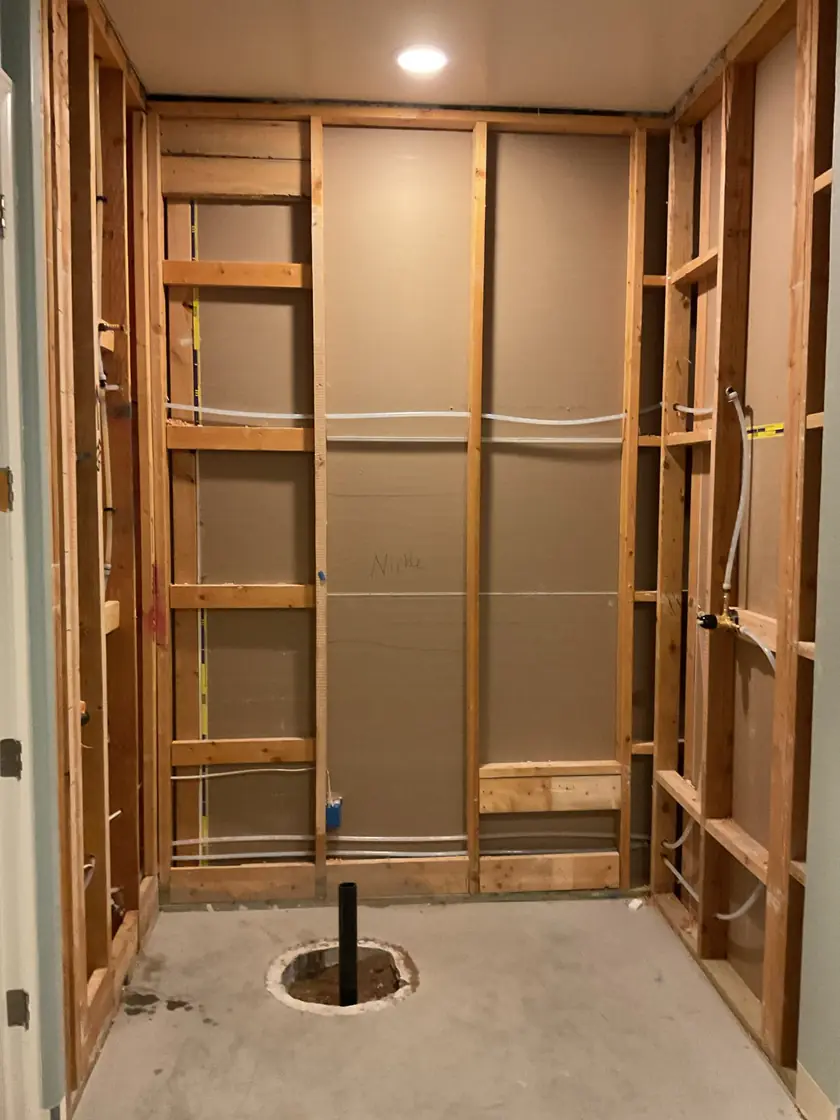
This is one of the first questions many homeowners ask after hearing the words “slab leak.”
The answer depends on the location of the leak, the home’s plumbing configuration, the condition of the affected pipe, accessibility, and whether the problem is isolated or part of a broader piping issue.
Professional slab leak detection is particularly valuable because it helps narrow down the problem before a repair method is selected. Opening flooring or concrete without accurately locating the leak can result in unnecessary disruption.
Depending on the circumstances, possible repair approaches may include accessing and repairing the affected section or rerouting plumbing so the damaged underground section is no longer used. If multiple failures or deteriorating piping are present, a more extensive piping solution may sometimes make greater practical sense.
There is no single repair method that is appropriate for every home.
| Repair Consideration | Why It Matters |
| Location of the leak | Determines how accessible the damaged section may be |
| Condition of the pipe | Helps determine whether an isolated repair is practical |
| Number of previous leaks | Repeated failures may suggest a broader piping concern |
| Plumbing layout | Can influence whether rerouting is feasible |
| Finished flooring | May affect the disruption involved with direct access |
| Overall system condition | Helps determine whether repair or broader repiping should be considered |
The important point is not to choose a repair strategy based solely on something you have read online. Diagnosis should come first. Once the affected plumbing has been identified, your plumber can explain the available options and why one may make more sense for your home.
Frequently Asked Questions About Slab Leaks
What are the most common signs of a slab leak?
Common signs of a slab leak include unexplained increases in water bills, warm areas on flooring, running-water sounds when fixtures are off, unexplained dampness, persistent musty odors, changes in water pressure, and water-meter movement during periods of no water use. None of these symptoms individually proves that a slab leak exists, which is why professional diagnosis is important.
How can I tell if water is leaking under my concrete slab?
Begin by ruling out obvious sources of water use and checking the water meter when every fixture and water-using appliance is off. Continued meter movement may indicate a hidden leak. Warm flooring, unexplained moisture, and running-water sounds can provide additional clues. Professional detection is needed to determine whether the leak is actually beneath the slab.
Does a warm floor always mean I have a slab leak?
No. Flooring can become warm because of sunlight, appliances, HVAC conditions, or other causes. A localized warm area becomes more suspicious when it persists and appears alongside other symptoms, such as unexplained water consumption or meter movement. A leaking hot-water line beneath the slab is one possible explanation.
Will a slab leak make my water bill go up?
It can. A leaking pressurized water line may continuously lose water, resulting in higher consumption even though your household habits have not changed. Compare current bills with previous periods and consider other possible sources, including irrigation and running toilets.
Can I locate a slab leak myself?
Homeowners can identify warning signs and perform basic checks, such as observing their water meter. Precisely locating a concealed pipe failure is different. Professional diagnosis helps identify the affected plumbing and narrow down the source before a repair strategy is chosen.
Should I shut off my water if I suspect a slab leak?
If you only have subtle symptoms and no active water damage, professional diagnosis should be arranged promptly. If substantial water is actively surfacing or spreading through the home, shutting off the main water supply can limit additional water loss when the valve can be accessed safely.
How quickly should a slab leak be repaired?
A confirmed slab leak should not be deliberately left active. The appropriate urgency depends on the rate of water loss and whether water is affecting the home. Active flooding or rapidly spreading moisture warrants immediate attention, while less dramatic symptoms still deserve timely diagnosis and repair.
A Small Clue Today Can Prevent a Much Bigger Plumbing Problem
The most important lesson about slab leaks is that they do not always announce themselves with a flooded room.
Often, the first clues are much quieter. The water bill is higher than expected. One part of the floor feels warmer than the rest. You hear water moving through the house late at night even though every faucet is closed. The water meter changes when nobody is using water.
Individually, these observations may seem insignificant. Together, they can form a pattern that should not be ignored.
Knowing the signs of a slab leak allows homeowners to respond based on evidence rather than waiting for visible damage. Start with simple observations. Compare your water usage. Check the meter. Rule out obvious leaks. Document unusual moisture, sounds, or temperature changes. If the clues continue pointing toward hidden water loss, arrange professional detection.
The objective is not to panic at every unusual plumbing symptom. It is to recognize when something deserves further investigation.
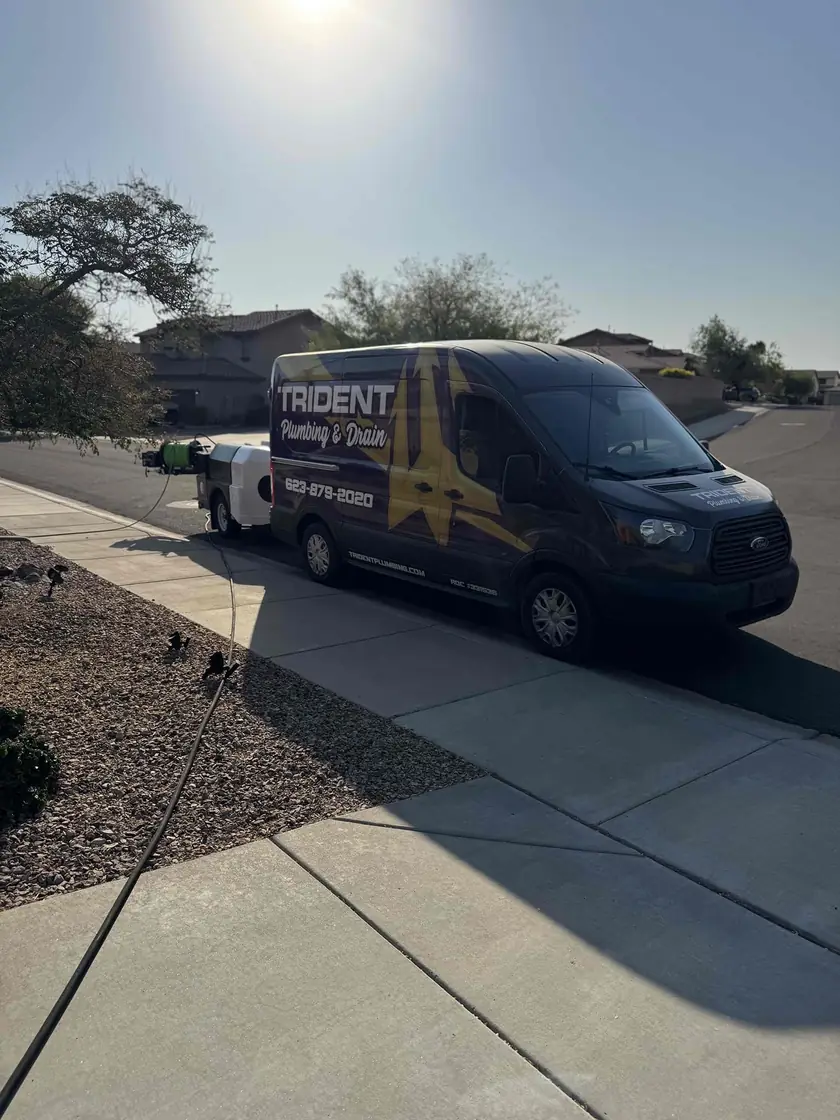
Trident Plumbing & Drain can help identify concealed plumbing problems and determine the appropriate repair based on the actual condition and location of the affected pipe. For homeowners throughout the service area, professional slab leak repair provides a path from uncertainty to a clear diagnosis and repair plan.
Catching a slab leak early can mean less wasted water, fewer affected materials, and a more informed repair decision. When your home starts giving you clues, paying attention may be the most valuable first step.