A plumbing system has the same basic job whether it serves a single-family home, restaurant, office building, or retail property: deliver clean water where it is needed and move wastewater away safely. But that does not mean every plumbing system faces the same demands.
When comparing commercial vs residential plumbing, the biggest differences come down to scale, usage, complexity, equipment, maintenance requirements, and the consequences when something goes wrong.
A leaking faucet in a home may inconvenience a family. A plumbing failure affecting the restrooms or kitchen of a busy commercial property can disrupt employees, customers, tenants, and normal business operations. Commercial systems may also serve far more fixtures and users throughout the day, placing different demands on pipes, drains, water heaters, and other components.
For Arizona property owners, understanding these differences can make it easier to plan maintenance, recognize developing problems, and know what type of professional plumbing service a property needs. This guide breaks down the important differences between residential and commercial plumbing and explains why the right service strategy matters for both.
Summary: Commercial vs. Residential Plumbing at a Glance
Commercial and residential plumbing systems share many fundamental components, but the environments in which they operate can be very different.
Here are the most important points Arizona property owners should understand:
- Residential plumbing generally serves a smaller number of people and fixtures with more intermittent daily use.
- Commercial plumbing may serve offices, restaurants, retail spaces, multi-unit properties, and other facilities with substantially greater usage demands.
- Commercial properties can have more complicated layouts and specialized plumbing equipment depending on how the building is used.
- Maintenance becomes particularly important when a plumbing failure could interrupt business operations or affect many occupants.
- Plumbing requirements can vary according to the building, occupancy, equipment, and local jurisdiction.
- Both residential and commercial properties benefit from addressing leaks, drainage problems, water-heater issues, and deteriorating plumbing before they develop into larger failures.
Arizona also distinguishes between residential and commercial contracting in its contractor licensing framework, with separate and dual classifications available depending on the work performed.
The key takeaway is simple: commercial plumbing is not merely residential plumbing in a larger building. The underlying principles are similar, but how the system is designed, used, maintained, and repaired can differ substantially.
What Is Residential Plumbing?
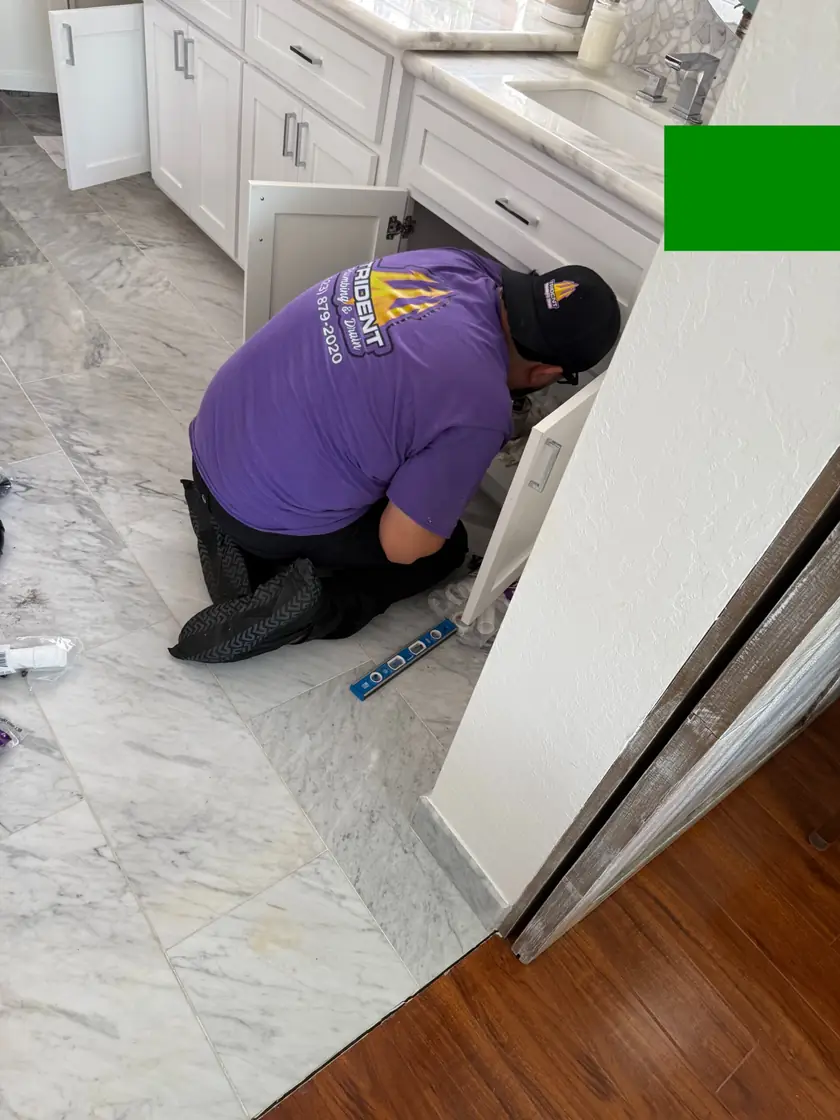
Residential plumbing refers to the systems that provide water, drainage, hot water, and related plumbing functions within homes. Depending on the property, that can include single-family houses, townhomes, condominiums, and other residential structures.
A typical home may have kitchen and bathroom fixtures, toilets, showers, tubs, a water heater, household drains, supply lines, a main water line, and a sewer connection. Some Arizona homes also have water-treatment equipment such as water softeners or reverse-osmosis systems.
Residential plumbing is generally designed around the needs of a relatively small number of occupants. Water use also tends to fluctuate throughout the day. A household may put heavier demand on the system during morning showers, cooking, laundry, or evening routines, followed by periods of comparatively little use.
That does not make residential plumbing simple. A hidden slab leak, damaged sewer line, failing water heater, or recurring drain problem can still require extensive diagnosis and professional repair. The difference is primarily the scale and operating environment in which the plumbing functions.
Homeowners should pay attention to changes such as declining water pressure, recurring clogs, unexplained increases in water use, unusual noises, discolored water, slow drains, or moisture where it should not be. These symptoms can provide an early warning that part of the system needs attention.
What Is Commercial Plumbing?
Commercial plumbing serves properties used for business, institutional, public, or other non-residential purposes. Examples can include restaurants, offices, retail stores, schools, healthcare facilities, hotels, warehouses, and other commercial buildings.
The difference becomes easier to understand when you consider usage.
A home may have a few people using two or three bathrooms. A restaurant can have employees, customers, multiple restrooms, food-preparation sinks, commercial dishwashing equipment, and other water-using equipment operating throughout the day. Hotels and other large facilities can add guest bathrooms, kitchens, laundry operations, pools, water-treatment equipment, and heating or cooling systems that use water. The Arizona Department of Water Resources specifically identifies these types of water uses across commercial and institutional facilities.
As the number of fixtures and users increases, the demands placed on the plumbing system change. Commercial properties may require larger or more complex distribution and drainage systems, specialized fixtures, additional equipment, and maintenance planning based on occupancy and use.
Commercial plumbing problems can also have wider consequences. A backed-up restroom, blocked drain, failed water heater, or broken supply line may affect more than comfort. Depending on the business, it can interfere with normal operations and access to essential facilities.
That is one reason commercial property owners and facility managers often benefit from treating plumbing as building infrastructure that needs ongoing attention rather than waiting for something to fail.
The Biggest Difference Is How Hard the System Works
One of the clearest differences in commercial vs residential plumbing is the amount and frequency of use.
Think about a bathroom faucet in a typical home. It may be turned on periodically by several family members. Now compare it with a faucet, toilet, or sink in a busy workplace, restaurant, or public-facing business. The same fixture may be used repeatedly throughout operating hours.
That repeated use can accelerate ordinary wear on components such as faucets, flush valves, seals, supply connections, drains, and water-heating equipment. Commercial systems may also experience predictable periods of peak demand when many fixtures are being used at once.
This changes the approach to plumbing maintenance. A homeowner may schedule service when a problem develops or arrange preventive maintenance around particular equipment. A commercial property manager may need a more systematic approach because multiple plumbing components support daily operations.
Arizona’s climate and water conditions can add another consideration for both types of properties. Arizona water commonly contains hardness minerals such as calcium and magnesium, which can contribute to scale deposits on fixtures, water heaters, and pipes. Maintenance therefore matters in both settings, even though the appropriate schedule and scope can differ considerably from one property to another.
Commercial vs. Residential Plumbing: Where the Systems Really Differ
Although both types of plumbing systems move water into a property and wastewater out, the similarities become less obvious once you look at how the buildings are actually used. Current commercial plumbing guidance consistently highlights greater usage, specialized equipment, more complicated building layouts, maintenance planning, and the operational impact of failures as major differences.
System Size and Complexity
A typical house has a relatively straightforward network connecting bathrooms, the kitchen, laundry fixtures, a water heater, and outdoor plumbing. Even a larger home usually serves one household.
A commercial property can be considerably more complicated. A multi-story office, restaurant, medical facility, hotel, or multi-tenant property may have many restrooms and sinks spread throughout the building. Some facilities also depend on specialized water-heating, drainage, backflow-prevention, or other plumbing equipment.
The layout matters as much as the number of fixtures. When a problem develops in a house, a plumber may be tracing a line serving one kitchen or bathroom. In a larger commercial building, identifying the source of a problem can require understanding how multiple areas of the property interact.
That complexity is one reason the plumber working on a commercial property needs to understand the building as a system rather than focusing only on the fixture where symptoms appear.
Fixtures and Equipment Face Different Demands
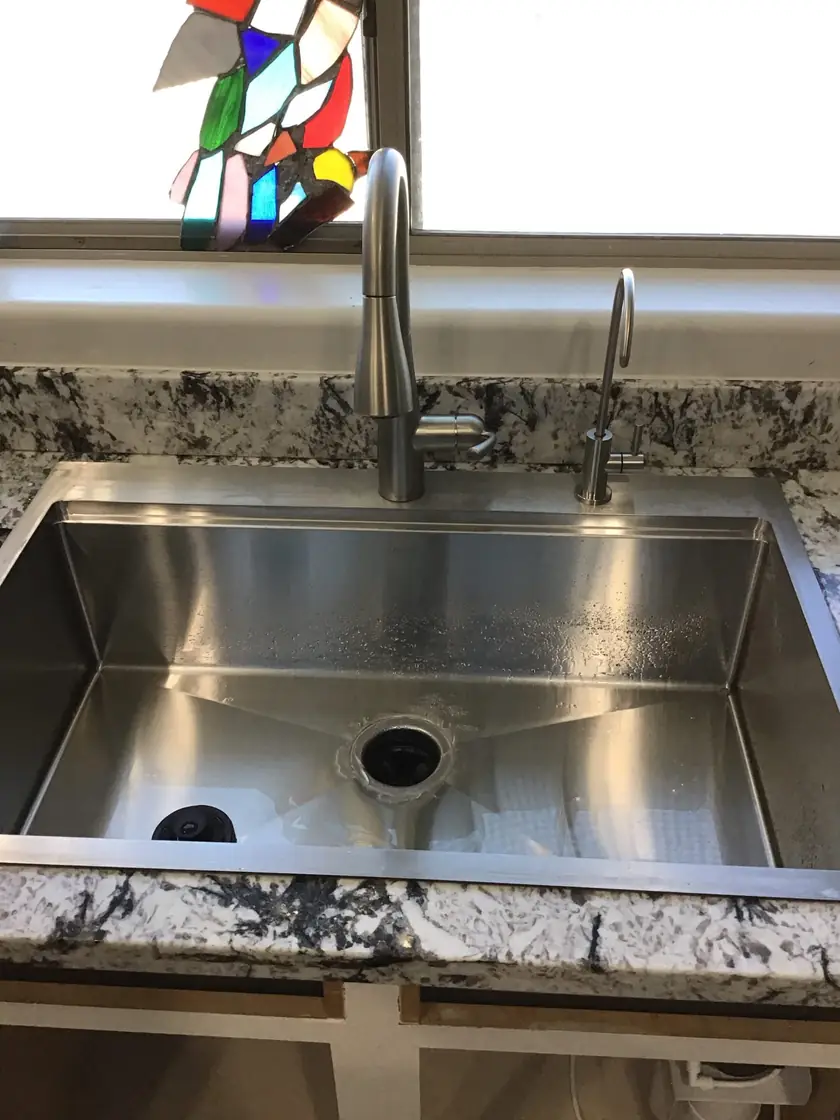
Residential fixtures are typically selected for household use. Commercial fixtures may need to withstand frequent use by employees, customers, tenants, patients, students, or visitors.
Depending on the property, commercial plumbing can include high-use toilets and faucets, larger-capacity water-heating equipment, grease-management systems, backflow-prevention devices, and other equipment that would not normally be found in a single-family home. Arizona commercial plumbing providers commonly identify restaurants, retail locations, offices, medical spaces, apartments, and institutional properties among the facilities requiring these services.
The important distinction for property owners is not that every commercial building has specialized equipment. It is that the plumbing must match the property’s occupancy and purpose.
Codes and Requirements Depend on the Property
Plumbing work must comply with applicable codes and requirements, but commercial projects can introduce considerations that are uncommon in a typical home.
The exact requirements depend on the jurisdiction, property type, occupancy, and work being performed. Restaurants, healthcare properties, public restrooms, and other specialized facilities can have requirements connected to their particular use.
Property owners should therefore avoid assuming that a solution appropriate for a house can simply be scaled up for a commercial property. When permits, inspections, accessibility requirements, backflow protection, or specialized equipment are involved, the work needs to be evaluated within the requirements that apply to that particular project.
Commercial vs. Residential Plumbing Comparison
The table below provides a practical overview of the differences property owners are most likely to encounter.
|
Factor |
Residential Plumbing |
Commercial Plumbing |
|
Typical users |
One household or a relatively small number of occupants | Employees, customers, tenants, visitors, or many occupants |
| Usage pattern | Intermittent household use with predictable peak periods |
Potentially frequent or continuous use throughout operating hours |
|
System complexity |
Usually fewer fixtures and simpler distribution | Can involve many fixtures, larger layouts, multiple floors, or specialized systems |
| Fixtures and equipment | Standard household sinks, toilets, showers, faucets, and water heaters |
May include high-use fixtures, larger water-heating systems, backflow devices, and specialized equipment |
|
Drain demands |
Household food waste, soap, hair, and everyday buildup | Higher-volume waste and property-specific drainage demands |
| Maintenance approach | Often based on household usage, equipment condition, and warning signs |
Frequently benefits from scheduled preventive maintenance based on property use |
|
Impact of failure |
Disruption and potential property damage for the household | Can affect occupants, customers, tenants, employees, and business operations |
| Service planning | Usually arranged around the homeowner’s schedule |
May need coordination around operating hours, tenants, access, or business activity |
Why Drain Problems Can Look Different in Commercial Properties
Drainage is another area where usage makes a major difference.
Residential drains commonly deal with hair, soap residue, food particles, grease, and other everyday household waste. Commercial properties can place much greater or more specialized demands on their drainage systems.
A restaurant kitchen is an obvious example. Its drainage conditions are very different from those of a home kitchen. But restaurants are not the only concern. High-occupancy restrooms, multi-tenant buildings, hospitality properties, and other busy facilities may also put substantial demand on drain and sewer lines.
For both property types, slow drains and recurring blockages should not simply become accepted as normal. Professional drain cleaning and repair can help determine whether the issue is a localized obstruction or part of a recurring drainage problem. For tougher buildup in appropriate situations, hydro jetting may provide another professional cleaning option. Both services are included in Trident’s current sitemap.
For commercial property managers, repeated drain problems can also be useful maintenance data. If the same line continues to clog, documenting when and where problems occur can help determine whether a preventive service schedule makes more sense than repeatedly waiting for another blockage.
Current Arizona commercial plumbing providers similarly emphasize recurring drain schedules, fixture checks, equipment records, and planned maintenance as ways to reduce repeat service problems.
Plumbing Maintenance Is Important for Both, but the Strategy Changes
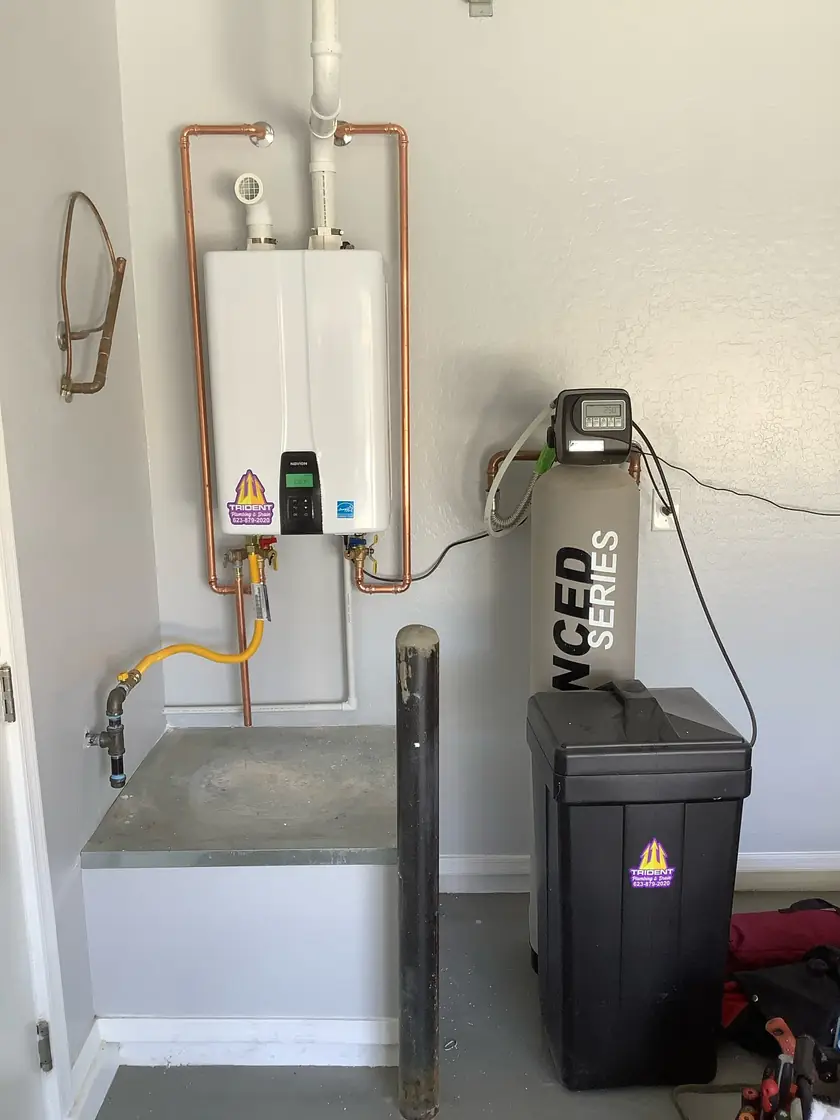
Maintenance matters in both residential and commercial plumbing, but there is no single schedule that fits every property.
A homeowner may monitor fixtures, address slow drains, maintain a water heater, watch for leaks, and schedule professional service based on the age and condition of the plumbing. A house with older pipes, previous leaks, or recurring drain problems may need more attention than a newer home with few plumbing issues.
Commercial maintenance often requires a broader view.
Property managers may need to track multiple restrooms, shutoff valves, water heaters, drainage lines, fixtures, and other plumbing components. Maintenance may also need to be scheduled around operating hours or periods when disruption will have the least impact on employees, tenants, or customers. Arizona commercial maintenance providers commonly structure programs around property history, recurring trouble spots, drains, fixtures, valves, water heaters, and service documentation.
The goal is not simply to service plumbing more often because the building is commercial. It is to develop a maintenance approach that reflects how the property is actually used.
What Should Property Owners Keep an Eye On?
Whether you own a home or manage a commercial building, several changes deserve attention:
- Recurring slow or clogged drains
- Toilets that frequently clog or run
- Unexplained increases in water use
- Reduced or inconsistent water pressure
- Water stains or unexplained moisture
- Dripping faucets and leaking fixtures
- Unusual water-heater noises or inconsistent hot water
- Corrosion around visible pipes, valves, or connections
- Sewer odors or gurgling drains
- Plumbing problems that keep returning after previous repairs
One symptom does not automatically indicate a major plumbing failure. Patterns are often more informative. A drain that clogs once after an obvious cause is different from the same drain backing up every few weeks. Likewise, one worn faucet is different from multiple fixtures beginning to fail throughout an older property.
Keeping basic records of recurring problems can be particularly valuable for commercial properties because it allows managers to identify patterns rather than treating each service call as an unrelated event.
The Cost of a Plumbing Problem Is Not Just the Repair
This is another major distinction when considering commercial vs residential plumbing.
At home, a plumbing failure can certainly be expensive and disruptive. A burst pipe can damage flooring, drywall, cabinets, and belongings. A sewer backup can make part of the house unusable. Losing hot water can interrupt everyday routines.
Commercial properties face those same physical risks, but they may also face operational consequences.
Imagine a restaurant that cannot use its kitchen sinks or restrooms, a retail business dealing with a major water leak during operating hours, or an office building where plumbing problems affect multiple tenants. The repair itself is only one part of the disruption.
That makes response planning especially important for businesses. Property managers should know where important shutoff valves are located, who has authority to call for service, how a plumber can access the property after hours, and what internal steps should be followed if a major leak or backup occurs.
When a plumbing problem cannot reasonably wait for a normal service appointment, professional emergency plumbing can help address urgent problems before the disruption grows.
Repair, Replace, or Maintain? Start With the Actual Condition
Property owners sometimes look for a universal rule about when plumbing should be repaired versus replaced. In practice, the right answer depends on what is failing and why.
An isolated leaking connection does not necessarily mean an entire piping system needs replacement. Likewise, repeatedly repairing deteriorating sections of an aging system may eventually become less practical than evaluating a broader piping and repiping solution.
A useful professional evaluation considers factors such as:
- The location and extent of the problem
- Age and condition of the affected components
- Previous repair history
- Frequency of recurring failures
- Property usage
- Accessibility of the plumbing
- Whether the problem is isolated or system-wide
- The consequences if the same component fails again
The same principle applies to both residential and commercial properties. The decision should be based on the condition of the plumbing, not simply whether the building is a home or business.
Commercial owners, however, may need to add another consideration: how future failures would affect operations. A repair that is technically possible may not always provide the reliability a heavily used facility requires.
Frequently Asked Questions About Commercial vs. Residential Plumbing
What is the main difference between commercial and residential plumbing?
The fundamental plumbing principles are similar, but commercial systems can serve more people, more fixtures, larger or more complex properties, and specialized equipment. Usage can also be much heavier. These differences affect system design, maintenance planning, troubleshooting, and the consequences of a failure.
Does commercial plumbing require more maintenance than residential plumbing?
Not automatically. Maintenance should be based on the property, equipment, usage, age, and history of problems. However, heavily used commercial plumbing may benefit from a more structured preventive schedule because fixtures and drainage systems can experience frequent use and plumbing failures can disrupt normal business operations.
Can the same plumber work on residential and commercial properties?
Plumbing professionals may provide both types of service, but property owners should confirm that the contractor is appropriately licensed and experienced for the work involved. Commercial properties can present different equipment, building layouts, service requirements, and project considerations than single-family homes.
Why are commercial drain systems more demanding?
The answer depends on the type of business. Restaurants can introduce grease and food-related drainage challenges, while high-occupancy buildings may simply have many more people using restrooms and sinks each day. More frequent use can make recurring drain problems particularly disruptive.
What plumbing problems should Arizona property owners address quickly?
Active leaks, sewer backups, burst or damaged pipes, significant drainage problems, sudden loss of water, unexplained moisture, and other problems that could cause property damage or prevent essential plumbing from functioning deserve prompt attention. Less urgent warning signs, such as recurring slow drains or small leaks, should still be investigated before they develop into larger problems.
Is preventive plumbing maintenance worthwhile for commercial properties?
It can be particularly useful for properties with high usage, recurring problems, multiple fixtures, specialized equipment, or significant consequences from downtime. Rather than applying an arbitrary schedule, a maintenance plan should be based on the property’s actual systems and service history. Current Arizona commercial plumbing providers similarly emphasize planned inspections and recurring maintenance based on property needs rather than relying exclusively on reactive service.
The Right Plumbing Strategy Starts With the Property
The most useful lesson from comparing commercial vs residential plumbing is that neither system should be treated with a one-size-fits-all approach.
A home needs plumbing that reliably supports the people who live there. A commercial building needs plumbing that can support its particular occupancy, operating schedule, equipment, and level of demand. Both require timely repairs, appropriate maintenance, and attention to warning signs. The difference lies in the scale, complexity, usage, and consequences of a problem.
For Arizona homeowners, business owners, and property managers, understanding those differences makes it easier to recognize when professional service is needed and to ask better questions about repairs and maintenance.
Trident Plumbing & Drain provides professional plumbing solutions for residential and commercial properties across the Valley. Whether you are dealing with recurring drain problems, aging pipes, plumbing maintenance needs, or an unexpected failure, having the system evaluated by an experienced plumber can help you determine the appropriate next step.
Contact Trident Plumbing & Drain to schedule plumbing service or request an estimate for your Arizona property.