Buying yourself time before a plumbing emergency is almost always less expensive than dealing with the aftermath of one. Unfortunately, many homeowners don’t realize their drains are developing serious problems until water stops flowing altogether or sewage begins backing up into sinks, showers, or toilets.
Most major drain problems don’t happen overnight. Instead, they develop gradually as grease, soap residue, mineral deposits, food waste, hair, tree roots, and other debris build up inside your plumbing system. Along the way, your home often provides subtle warning signs that something isn’t right.
Recognizing these early symptoms gives you the opportunity to schedule professional drain cleaning before a minor blockage becomes a costly plumbing emergency.
In Arizona, homeowners face an additional challenge. Hard water leaves mineral deposits inside drain pipes, while mature landscaping often means tree roots searching for moisture eventually find their way into underground sewer lines. Combined with normal household use, these conditions make routine drain maintenance even more important.
Whether you’ve noticed a slow-draining sink, unpleasant odors, or recurring clogs, understanding what these warning signs mean can help you protect your home’s plumbing system and avoid unexpected repairs.
Why Drain Problems Rarely Fix Themselves
One of the biggest misconceptions homeowners have is that a slow drain will eventually clear on its own. While a temporary clog may appear to improve after using hot water or a store-bought drain cleaner, these quick fixes rarely address the actual cause of the blockage.
Over time, debris continues to accumulate along the interior walls of your pipes. Grease hardens, soap scum thickens, mineral deposits from Arizona’s hard water continue to build, and small obstructions gradually become much larger.
Professional drain cleaning removes this buildup instead of simply creating a small opening through it. That helps restore full flow and significantly reduces the chances of another clog forming shortly afterward.
Ignoring early warning signs often results in more than just a clogged sink. Blocked drains can place additional pressure on your plumbing system, increase the risk of leaks, contribute to sewer backups, and even cause water damage inside your home.
Warning Sign #1: Your Drains Are Emptying More Slowly Than They Used To
One of the earliest indications that your plumbing system needs professional attention is slow drainage.
Maybe the kitchen sink takes a little longer to empty after washing dishes.
Perhaps water begins pooling around your feet while you’re taking a shower.
Or maybe the bathroom sink holds water for several seconds before draining away.
Although these problems may seem minor initially, they’re usually the result of buildup forming inside the pipe.
Common causes include:
- Soap residue
- Hair accumulation
- Grease buildup
- Food particles
- Mineral deposits
- Foreign objects
As the obstruction grows larger, water has less room to flow freely through the pipe.
Many homeowners reach for chemical drain cleaners at this point. Unfortunately, these products rarely remove the entire blockage and may even damage certain types of plumbing materials when used repeatedly.
Professional drain cleaning removes the entire obstruction while protecting the integrity of your plumbing system.
Warning Sign #2: You’re Dealing With the Same Clog Again and Again
Everyone experiences an occasional clogged drain.
However, if you’re constantly plunging the same toilet or clearing the same sink every few weeks, the problem is almost certainly deeper within the plumbing system.
Recurring clogs typically indicate:
- Partial blockages further down the drain line
- Heavy grease accumulation
- Sewer line restrictions
- Pipe damage
- Tree root intrusion
Temporary DIY methods usually punch a small hole through the blockage rather than removing it completely. As a result, debris quickly begins collecting again until the drain becomes clogged once more.
If you’ve unclogged the same fixture multiple times in recent months, scheduling professional drain cleaning is typically far more cost-effective than continuing to fight the same problem repeatedly.
Warning Sign #3: You Hear Gurgling Sounds Coming From Your Drains
Healthy drains should quietly move wastewater through your plumbing system.
If you hear bubbling, gurgling, or sucking noises after using sinks, tubs, or toilets, it often indicates that air is becoming trapped because water cannot move freely through the drain line.
These sounds may occur:
- After flushing a toilet
- While draining a bathtub
- When running the dishwasher
- After emptying a washing machine
- When using multiple plumbing fixtures simultaneously
In many cases, gurgling is an early warning sign that a blockage is developing before a complete backup occurs.
The longer the restriction remains inside the pipe, the more noticeable these sounds typically become.
Professional drain cleaning can often restore normal drainage before the blockage worsens enough to cause overflowing fixtures or sewer backups.
Warning Sign #4: Unpleasant Odors Are Coming From Your Drains
A properly functioning drain should never produce strong or persistent odors inside your home.
If you notice unpleasant smells coming from your kitchen sink, bathroom drains, laundry room, or floor drains, it’s often a sign that organic material has begun accumulating inside the pipe.
Over time, food particles, grease, soap residue, hair, and other debris decompose inside the drain, creating unpleasant odors that continue to worsen as the buildup grows.
However, foul odors can also indicate more serious plumbing concerns, including:
- Sewer line blockages
- Dry P-traps
- Broken drain pipes
- Ventilation problems
- Sewer gas entering the home
Because several plumbing issues can produce similar smells, it’s important not to ignore persistent drain odors.
Professional drain cleaning removes accumulated debris while allowing a licensed plumber to determine whether a more significant repair may be necessary.
If sewer odors continue after the drains have been cleaned, additional diagnostic services such as a sewer camera inspection may be recommended.
Warning Sign #5: Water Backs Up Into More Than One Fixture
A clogged sink is inconvenient.
Multiple fixtures backing up at the same time usually indicate a much larger problem.
For example:
- Flushing a toilet causes water to rise in the bathtub.
- Running the washing machine fills the utility sink.
- Using the kitchen sink causes water to appear in a nearby shower.
- Several drains throughout the home begin draining slowly at the same time.
These symptoms often suggest that the blockage is located in your home’s main sewer line rather than inside an individual fixture.
Common causes include:
- Heavy grease accumulation
- Tree root intrusion
- Pipe collapse
- Sewer line offsets
- Foreign objects lodged in the main drain
Main sewer line backups rarely resolve on their own and should be addressed as soon as possible to prevent wastewater from backing up into the home.
Depending on the condition of the line, professional drain cleaning, hydro jetting, or a sewer camera inspection may be recommended to restore proper flow.
Warning Sign #6: Wet Spots or Standing Water Outside Your Home
Many homeowners focus only on what’s happening inside the house.
Sometimes the first warning sign of a drainage problem appears outdoors.
Pay attention if you notice:
- Soggy patches in your yard
- Unusually green grass
- Standing water near cleanouts
- Soil erosion
- Sinkholes forming near underground plumbing
- Strong sewer odors outside
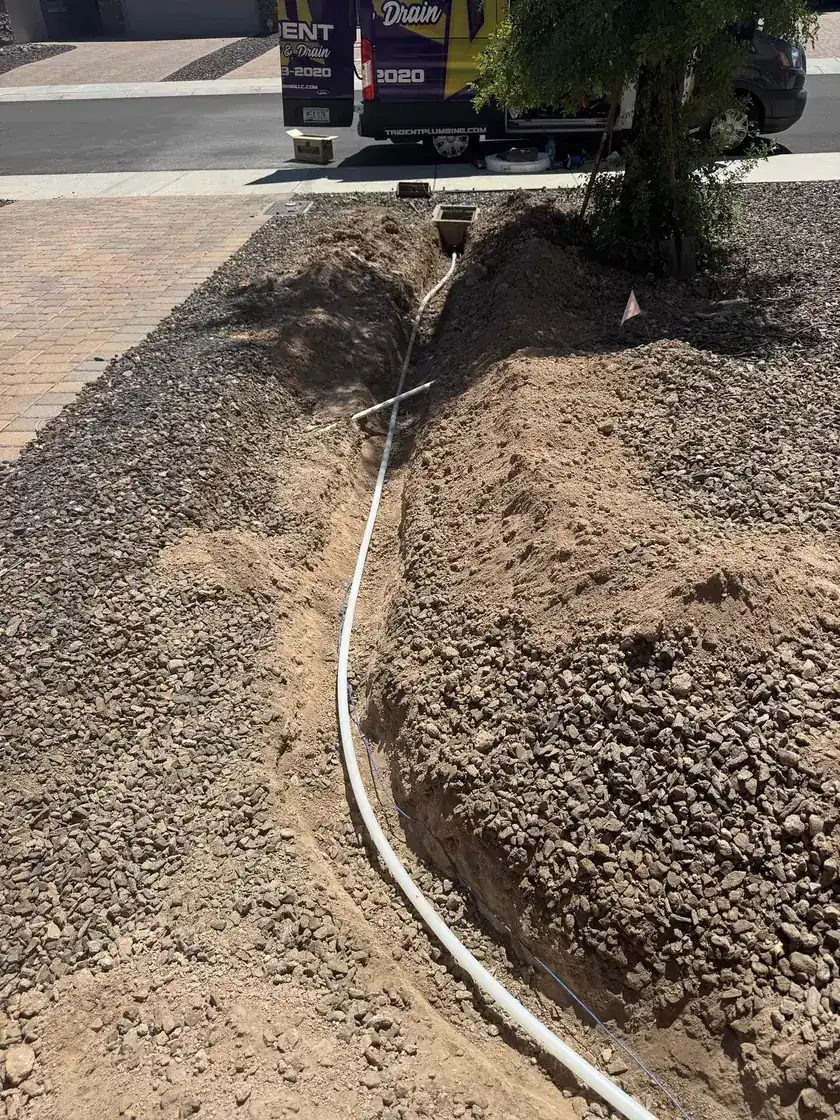
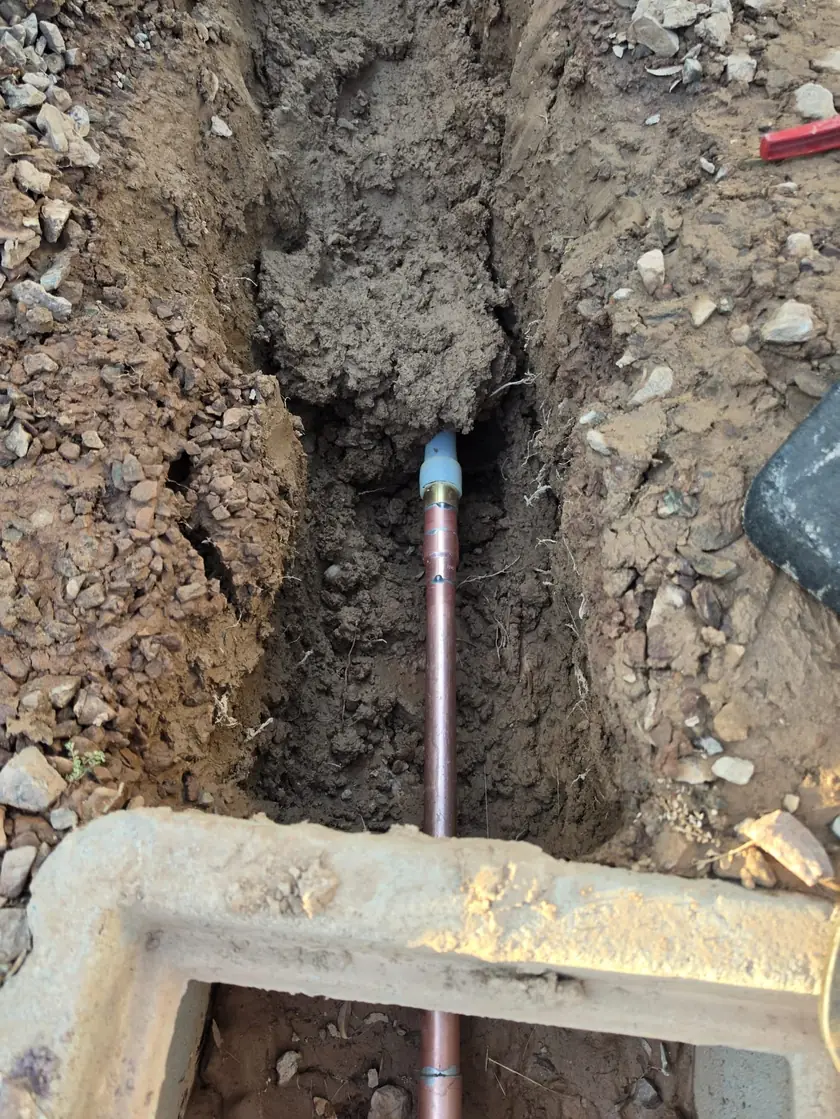
These symptoms may indicate a damaged sewer line or underground drain pipe.
Tree roots commonly invade older sewer lines by entering through small cracks or loose pipe joints.
Once inside the pipe, the roots continue growing while trapping toilet paper, grease, and debris, eventually creating a significant blockage.
Professional drain cleaning may resolve the obstruction if caught early enough.
However, if the pipe has been damaged, repairs or replacement may also be necessary.
A sewer camera inspection helps determine the exact condition of the underground piping before recommending the appropriate solution.
Warning Sign #7: You’re Seeing More Insects Around Your Drains
Most homeowners don’t associate insects with plumbing problems.
In reality, drain flies, cockroaches, and other pests are frequently attracted to moisture and organic material accumulating inside clogged drains.
A blocked drain creates an ideal environment by providing:
- Constant moisture
- Food sources
- Warm temperatures
- Protection from predators
If you’ve noticed increasing pest activity around:
- Bathroom sinks
- Kitchen sinks
- Laundry drains
- Floor drains
- Utility rooms
it’s worth having your plumbing system inspected.
While pest control may eliminate the insects temporarily, professional drain cleaning removes the conditions attracting them in the first place.
Addressing the plumbing issue often becomes an important part of solving the pest problem permanently.
Common Causes of Drain Clogs
Understanding what causes drain problems can help homeowners reduce the likelihood of future blockages.
The most common causes include:
Grease and Cooking Oils
Grease may leave your sink as a liquid, but it cools quickly inside drain pipes where it hardens and traps other debris.
Hair
Hair combines with soap residue to create stubborn blockages inside bathroom drains.
Hard Water Mineral Deposits
Arizona’s hard water leaves mineral scale inside plumbing pipes.
Over time, these deposits reduce the pipe’s diameter, making it easier for debris to accumulate.
Food Waste
Coffee grounds, eggshells, pasta, rice, and fibrous vegetables frequently contribute to kitchen drain clogs.
“Flushable” Wipes
Despite their name, many wipes do not break down like toilet paper and are a leading cause of sewer backups.
Tree Roots
Tree roots naturally seek moisture and often enter aging sewer lines through tiny cracks before expanding into major obstructions.
DIY Solutions vs. Professional Drain Cleaning
Many homeowners attempt to clear clogged drains using plungers, chemical drain cleaners, or store-bought drain snakes.
While these methods sometimes provide temporary relief, they rarely solve the underlying problem.
| Method | Best For | Limitations |
|---|---|---|
| Plunger | Minor localized clogs | Doesn’t remove buildup inside pipes and often provides only temporary relief. |
| Chemical Drain Cleaner | Temporary opening through soft clogs | Can damage certain plumbing materials over time and rarely removes the entire blockage. |
| Store-Bought Drain Snake | Small obstructions near the drain opening | Limited reach and may leave debris behind, allowing clogs to return. |
| Professional Drain Cleaning | Removing buildup throughout the drain system | Requires professional equipment but provides the most complete and long-lasting solution. |
| Hydro Jetting | Heavy grease, sludge, mineral scale, and tree root intrusion | Recommended only after evaluating the condition of the plumbing system to ensure the pipes are suitable for high-pressure cleaning. |
When Should You Schedule Professional Drain Cleaning?
Many homeowners wait until a drain completely stops working before calling a plumber.
Unfortunately, this often means the blockage has grown significantly larger and may have already caused additional plumbing problems.
Scheduling professional drain cleaning is recommended if you notice:
- Multiple slow drains
- Frequent clogs
- Persistent drain odors
- Gurgling sounds
- Water backups
- Standing water around sewer cleanouts
- Recurring plumbing issues despite DIY efforts
Cleaning your drains before a complete blockage develops is almost always faster, less expensive, and less disruptive than responding to a plumbing emergency.
Frequently Asked Questions About Drain Cleaning
How often should professional drain cleaning be scheduled?
For most homes, professional drain cleaning every 18 to 24 months helps keep the plumbing system flowing efficiently. Homes with older plumbing, large families, mature trees near sewer lines, or recurring drainage issues may benefit from more frequent service. Your plumber can recommend an appropriate maintenance schedule based on the age and condition of your plumbing system.
Are chemical drain cleaners safe to use?
Chemical drain cleaners may provide temporary relief, but they often do more harm than good. Many products contain harsh chemicals that can damage older pipes, weaken joints, and create heat inside the plumbing system. They also rarely remove the entire blockage, allowing clogs to return quickly. Professional drain cleaning provides a safer and more effective long-term solution.
What causes recurring drain clogs?
Recurring clogs usually indicate an underlying problem rather than a simple blockage near the drain opening. Common causes include grease buildup, hard water scale, tree root intrusion, damaged sewer lines, improper pipe slopes, or foreign objects lodged deeper within the plumbing system. A professional inspection can determine the exact cause and recommend the best repair.
What’s the difference between drain cleaning and hydro jetting?
Professional drain cleaning generally removes clogs using specialized drain equipment designed to restore water flow. Hydro jetting uses highly pressurized water to thoroughly clean the interior walls of the pipe, removing grease, sludge, mineral deposits, and tree roots. Depending on the condition of your plumbing system, your plumber may recommend one method over the other.
Can clogged drains damage my plumbing?
Yes. Ignoring recurring clogs increases pressure inside your plumbing system and may contribute to leaks, damaged pipe joints, sewer backups, and water damage. Addressing drainage problems early helps protect your plumbing system and can prevent significantly more expensive repairs.
When should I call a plumber instead of trying to clear the drain myself?
If you’ve tried plunging or other basic methods without success, or if multiple drains are backing up at the same time, it’s time to contact a professional. Persistent odors, gurgling sounds, slow drains throughout the home, and recurring clogs are all signs that professional drain cleaning may be needed.

Protect Your Home Before a Small Drain Problem Becomes a Major Plumbing Repair
Most major plumbing emergencies begin with small warning signs that are easy to overlook. A slow-draining sink, recurring clog, or unpleasant odor may seem like a minor inconvenience today, but these symptoms often point to buildup or damage developing deeper within your plumbing system. Addressing these issues early with professional drain cleaning and sewer services can help prevent costly sewer backups, pipe damage, and unexpected plumbing emergencies.
At Trident Plumbing, we help homeowners throughout the greater Phoenix area keep their plumbing systems operating reliably with professional drain cleaning, hydro jetting, water line leak detection and repair, and complete residential plumbing services. If you’ve noticed any of the warning signs discussed in this guide, request your free estimate today and let our experienced team help restore proper flow before a minor drain issue turns into a major repair.