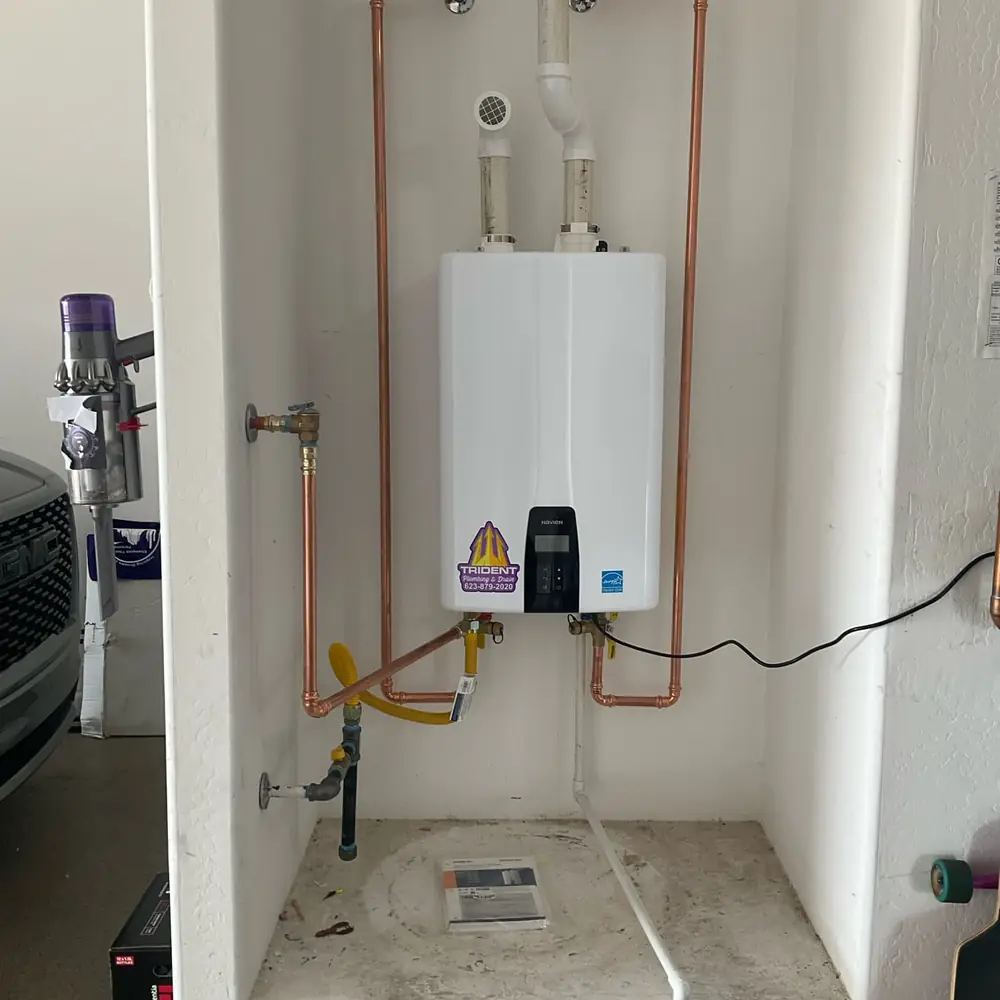
Phoenix homeowners rely on hot water every day, whether it is for showers, laundry, dishes, or cleaning. When it comes time to replace an aging water heater, many people wonder whether upgrading to a tankless system is worth the investment.
Over the past several years, tankless water heater installation has become increasingly popular across Arizona. These systems promise endless hot water, improved energy efficiency, a smaller footprint, and a longer service life than traditional storage tank water heaters. However, they also require a larger upfront investment and may need modifications to your home’s plumbing, gas, or electrical systems.
The right choice depends on several factors, including your household’s hot water usage, the age of your current plumbing system, your budget, and your long-term plans for the home.
This guide explains everything Phoenix homeowners should know before deciding whether a tankless water heater is the right investment. We’ll compare tank and tankless systems, discuss installation requirements, explain how Arizona’s hard water affects performance, and help you determine whether upgrading makes financial sense.
Quick Summary
Tankless water heaters have become an increasingly popular option for Phoenix homeowners because they provide continuous hot water, improved energy efficiency, a compact design, and a longer lifespan than many traditional storage tank systems. This guide explains how tankless water heater installation works, compares tank and tankless systems, discusses installation requirements, explores the effects of Arizona’s hard water, and outlines the maintenance needed to keep your system operating efficiently for years to come.
What Is a Tankless Water Heater?
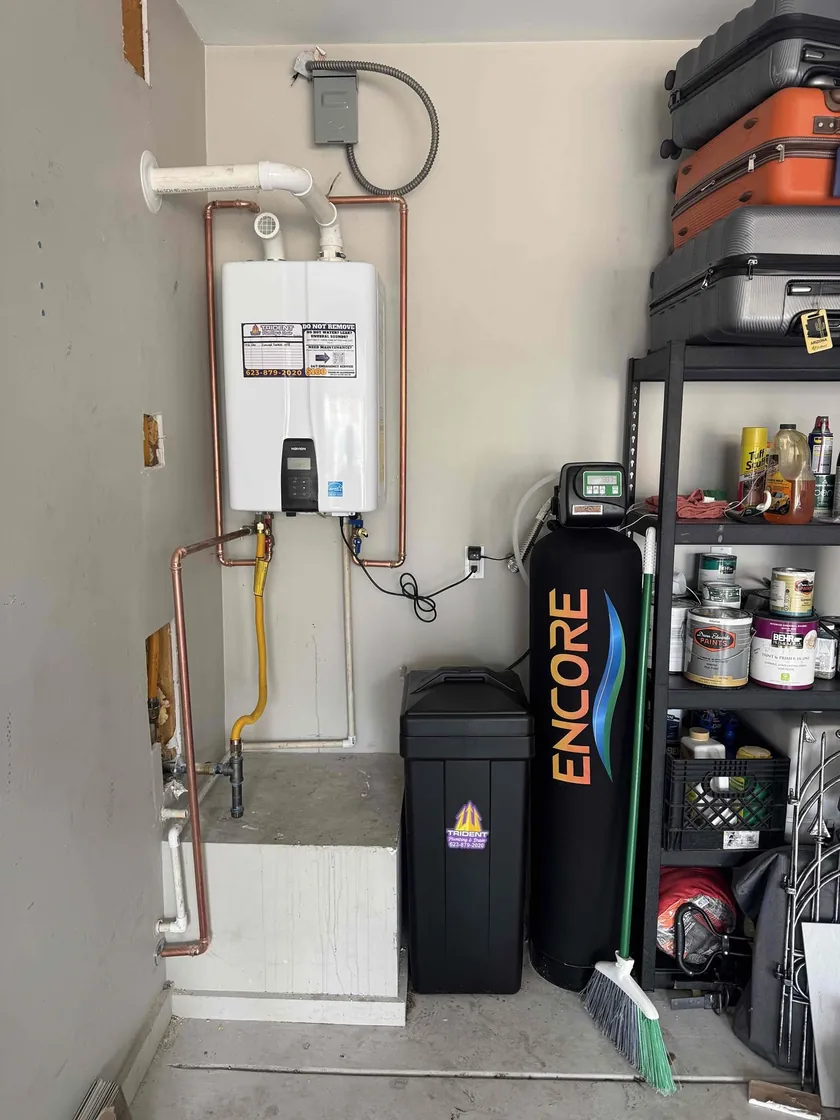
Unlike a traditional storage water heater that continuously heats and stores 40 to 80 gallons of water, a tankless water heater heats water only when you need it.
When you turn on a hot water faucet, cold water travels through the unit where either a gas burner or electric heating elements rapidly raise the water temperature before delivering it directly to the fixture.
Since there is no storage tank, the system only uses energy while hot water is being requested.
Many homeowners choose tankless water heaters because they eliminate the problem of running out of hot water after multiple showers or large loads of laundry.
Instead of storing heated water around the clock, the system supplies hot water continuously whenever demand exists.
Why Tankless Water Heater Installation Has Become So Popular
The popularity of tankless systems has grown steadily over the past decade, particularly among homeowners planning long-term improvements.
Several factors contribute to this trend.
Improved Energy Efficiency
Traditional storage tank water heaters constantly reheat stored water throughout the day, even when no one is using hot water.
This standby heat loss increases energy consumption.
Tankless systems eliminate much of this wasted energy because they only operate when hot water is actually needed.
For many households, this translates into lower monthly utility costs over the life of the system.
Endless Hot Water
One of the biggest frustrations with conventional water heaters is running out of hot water during busy mornings.
A properly sized tankless system continues producing hot water for as long as demand exists.
Large families often appreciate being able to run multiple showers or appliances without waiting for a storage tank to recover.
Longer Equipment Life
A traditional tank water heater generally lasts between 8 and 12 years with proper maintenance.
Many professionally installed tankless systems can operate for 20 years or more when serviced regularly.
While the initial investment is higher, the longer lifespan often offsets much of the additional installation cost over time.
More Usable Space
Without a bulky storage tank, homeowners gain additional space inside garages, utility rooms, or closets.
Tankless units mount neatly to a wall and occupy only a fraction of the space required by conventional systems.
This can be especially beneficial in smaller homes where every square foot matters.
Is Tankless Water Heater Installation Right for Every Home?
Although tankless systems offer many advantages, they are not automatically the best solution for every homeowner.
Several important considerations should be evaluated before making the switch.
Household Hot Water Demand
Every household uses hot water differently.
A couple living in a small home has very different demands than a family of six running multiple showers, washing machines, and dishwashers simultaneously.
Professional system sizing is essential.
Installing a unit that is too small can result in insufficient hot water during periods of heavy demand.
Installing an oversized unit increases installation costs without providing meaningful benefits.
An experienced plumber evaluates:
- Number of bathrooms
- Household occupancy
- Simultaneous fixture usage
- Climate conditions
- Incoming water temperature
- Desired hot water flow rate
These factors determine which system will perform most efficiently.
Gas vs. Electric Tankless Water Heaters
Most Phoenix homeowners choose gas-powered tankless systems because they can produce higher flow rates suitable for larger households.
Electric models may work well for smaller homes or point-of-use applications but often require substantial electrical upgrades before installation.
Gas systems may require:
- Larger gas supply lines
- Updated venting
- New exhaust systems
- Condensate drainage for high-efficiency models
Electric systems may require:
- Higher-capacity electrical panels
- Additional dedicated circuits
- Increased amperage
A professional evaluation ensures your home can safely support the chosen equipment before installation begins.
Why Professional Installation Matters
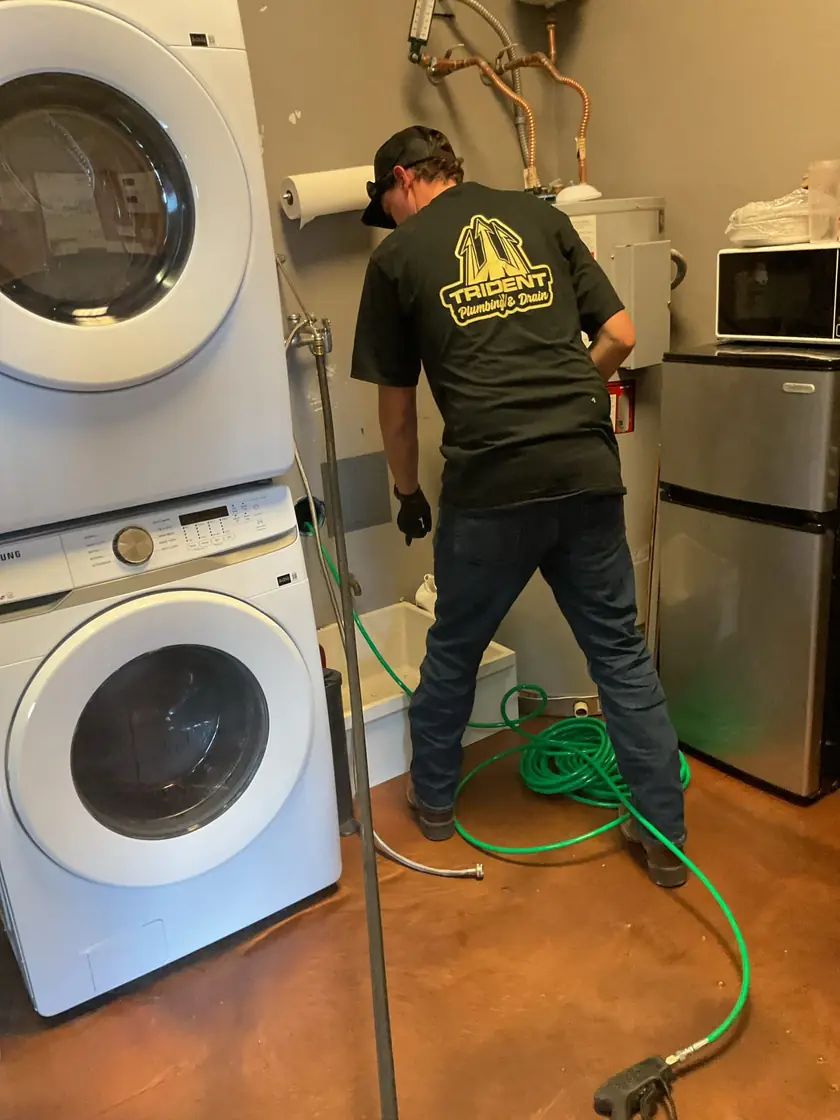
Installing a tankless water heater involves much more than replacing one appliance with another.
Proper water heater installation includes evaluating gas capacity, electrical requirements, water pressure, plumbing connections, venting, combustion air, local code compliance, and manufacturer specifications.
Incorrect installation can reduce efficiency, shorten equipment life, create safety concerns, and even void the manufacturer’s warranty.
Working with an experienced plumbing professional helps ensure your new system performs as intended for many years.
How Much Does Tankless Water Heater Installation Cost?
One of the first questions homeowners ask is whether a tankless water heater is worth the higher upfront investment.
The answer depends on your long-term goals.
A conventional storage tank water heater generally costs less to purchase and install because it often connects to existing plumbing, gas, and venting with minimal modifications.
A tankless system, on the other hand, may require upgrades before installation can begin. These improvements can include larger gas lines, new venting, electrical work, or modifications to your home’s plumbing system.
Although the initial investment is higher, many homeowners find the long service life, lower operating costs, and improved convenience make the upgrade worthwhile.
Rather than focusing only on installation cost, consider the total cost of ownership over the next 15 to 20 years.
Questions to ask include:
- How long do you plan to stay in your home?
- How much hot water does your family use?
- How often has your current water heater needed repairs?
- Would lower monthly energy costs benefit your household?
- Is saving space important?
A licensed plumber can evaluate your home and provide recommendations based on your specific needs instead of a one-size-fits-all solution.
How Phoenix’s Hard Water Affects Tankless Water Heaters
Phoenix is well known for its hard water.
Hard water contains high levels of dissolved minerals, particularly calcium and magnesium. Over time, these minerals accumulate inside plumbing fixtures and appliances.
Tankless water heaters are no exception.
As water flows through the heat exchanger, mineral deposits slowly build along the interior surfaces. Left untreated, this buildup reduces efficiency and forces the system to work harder to produce hot water.
Potential problems include:
- Reduced heating efficiency
- Lower hot water flow rates
- Increased energy consumption
- Shortened equipment life
- Manufacturer warranty concerns
Fortunately, these issues can usually be managed with routine maintenance.
Many homeowners also choose to install a whole-home water softener to significantly reduce mineral buildup throughout the plumbing system.
Water softeners help protect:
- Tankless water heaters
- Traditional water heaters
- Faucets
- Shower valves
- Appliances
- Plumbing fixtures
For many Arizona homeowners, pairing a water softener with a tankless water heater provides the best long-term protection.
How Often Does a Tankless Water Heater Need Maintenance?
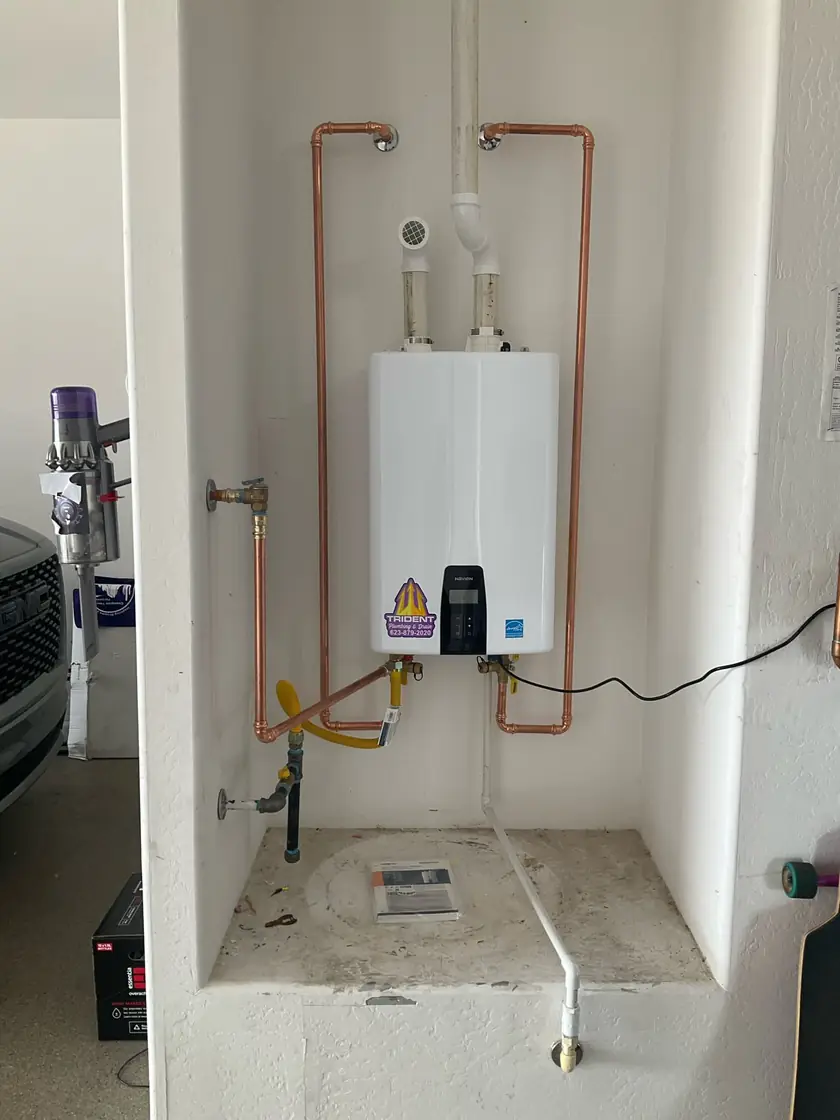
Some homeowners assume tankless systems require no maintenance.
In reality, they require less maintenance than many traditional systems, but regular service remains essential.
Manufacturers typically recommend annual maintenance.
This service often includes:
- Flushing mineral deposits from the heat exchanger
- Cleaning water filters
- Inspecting gas burners
- Checking venting systems
- Testing water pressure
- Verifying safe operation
- Inspecting electrical components
- Confirming proper temperature settings
Routine maintenance helps maintain efficiency while reducing the likelihood of unexpected repairs.
Professional water heater maintenance is particularly important in Phoenix because hard water causes scale buildup much faster than in many other parts of the country.
Common Myths About Tankless Water Heaters
Despite their growing popularity, several misconceptions continue to discourage homeowners from considering tankless systems.
Myth: They Provide Instant Hot Water
Tankless water heaters heat water instantly, but they do not eliminate the time required for hot water to travel through your home’s plumbing.
If the bathroom is located far from the water heater, there will still be a short delay before hot water reaches the fixture.
Recirculation systems can help reduce this wait.
Myth: They’re Only for Luxury Homes
Tankless systems are no longer considered a luxury upgrade.
Many homeowners install them simply to improve efficiency, save space, and enjoy a longer-lasting water heating solution.
With a variety of sizes and models available, there are options suitable for many different household budgets.
Myth: They Cannot Handle Large Families
A properly sized tankless water heater can comfortably support many larger households.
The key is selecting equipment based on simultaneous hot water demand rather than simply purchasing the largest unit available.
Professional sizing calculations ensure the system delivers reliable performance during busy mornings and evenings.
Myth: Installation Is Too Complicated
Although installation requires specialized knowledge, experienced plumbers complete tankless water heater installations every day.
The complexity depends largely on your home’s existing plumbing, gas, and electrical systems.
A professional evaluation identifies any required upgrades before installation begins.
Tank Water Heater vs. Tankless Water Heater
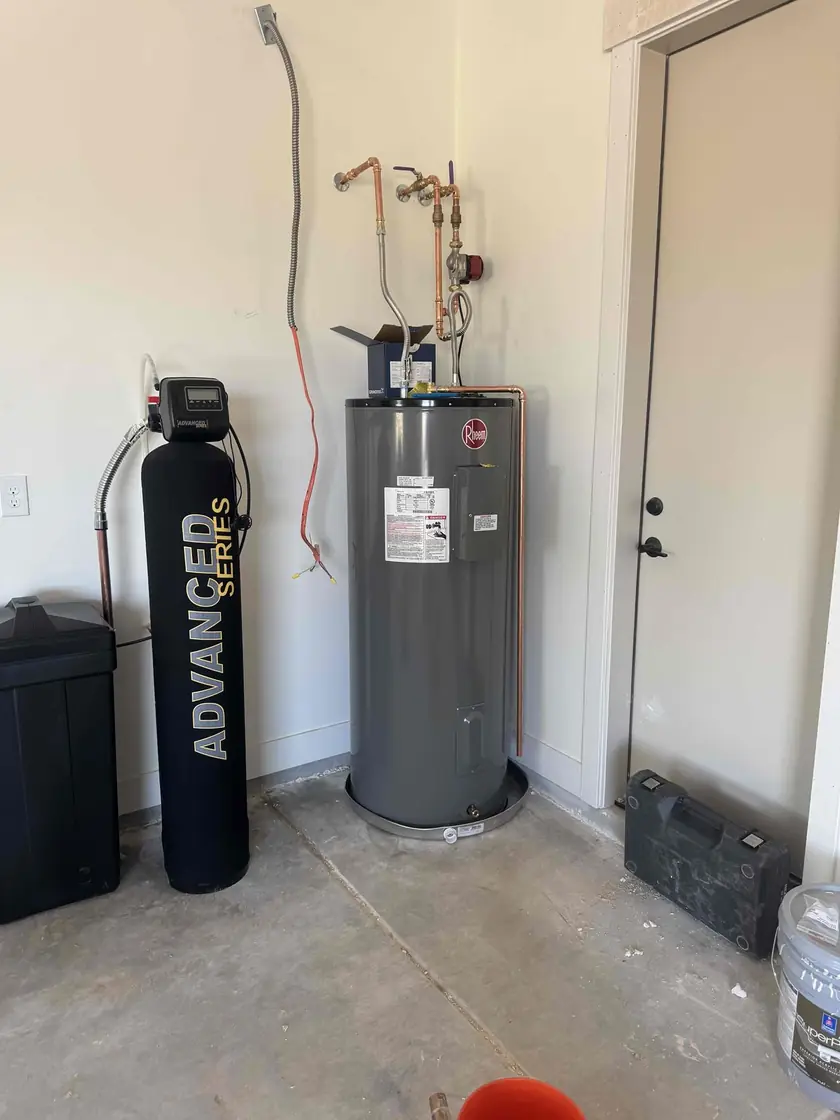
Both systems have advantages depending on your home’s needs.
Understanding the differences helps homeowners make informed decisions.
| Feature | Traditional Tank Water Heater | Tankless Water Heater |
| Hot Water Supply | Limited by tank capacity | Continuous hot water on demand |
| Energy Efficiency | Standby heat loss increases energy use | Heats water only when needed |
| Typical Lifespan | 8 to 12 years | 20 years or more with maintenance |
| Space Required | Large storage tank | Compact wall-mounted unit |
| Upfront Installation Cost | Lower | Higher due to potential system upgrades |
| Maintenance | Periodic flushing | Annual flushing and inspection recommended |
| Best For | Lower upfront budget | Long-term savings and higher efficiency |
Can a Tankless Water Heater Increase Your Home’s Value?
While every housing market is different, many buyers view modern plumbing upgrades as a positive feature.
A professionally installed tankless water heater offers several attractive benefits, including:
- Improved energy efficiency
- Longer expected equipment life
- More usable storage space
- Continuous hot water
- Lower ongoing operating costs
For homeowners planning to stay in their home for many years, these benefits often outweigh the higher installation cost.
Even if increasing resale value is not your primary goal, upgrading to a tankless system can improve everyday comfort while reducing the likelihood of unexpected water heater replacement in the near future.
Frequently Asked Questions
Is a tankless water heater really worth the investment?
For many Phoenix homeowners, the answer is yes. While the initial installation cost is typically higher than replacing a traditional tank water heater, tankless systems often provide greater energy efficiency, a longer lifespan, continuous hot water, and lower operating costs over time. Whether the investment makes sense depends on your household’s hot water usage, your home’s existing plumbing, and how long you plan to stay in the home.
How long does a tankless water heater last?
With proper installation and routine maintenance, many tankless water heaters can last 20 years or longer. This is considerably longer than the average lifespan of a conventional storage tank water heater, which is generally between 8 and 12 years.
Will a tankless water heater provide enough hot water for my family?
Yes, when the system is properly sized.
A professional plumber calculates your home’s hot water demand based on the number of bathrooms, appliances, and fixtures that may be used at the same time. Selecting the correct unit is one of the most important parts of a successful tankless water heater installation.
Does Phoenix’s hard water damage tankless water heaters?
Hard water can lead to mineral scale inside the heat exchanger if regular maintenance is not performed.
Fortunately, annual flushing and routine servicing help prevent excessive buildup. Many homeowners also install a water softener to further protect their plumbing system and improve long-term performance.
Can a tankless water heater be installed in any home?
Most homes can accommodate a tankless water heater, but some require modifications before installation.
Depending on the system selected, upgrades may include:
- Larger gas supply lines
- New venting
- Electrical improvements
- Plumbing modifications
A professional evaluation ensures your home is ready for installation and that the equipment meets local plumbing codes.
How often should a tankless water heater be serviced?
Manufacturers generally recommend annual maintenance.
Professional servicing helps:
- Remove mineral deposits
- Maintain energy efficiency
- Extend equipment life
- Identify minor issues before they become expensive repairs
- Preserve manufacturer warranty coverage
Annual maintenance is especially important for homeowners in the Phoenix area because of the region’s naturally hard water.
Make the Right Investment for Your Home’s Hot Water Needs
Choosing between a traditional storage tank and a tankless water heater is an important decision that can affect your home’s comfort, energy efficiency, and long-term maintenance costs for years to come. While tankless water heater installation offers many advantages, every home is different. Factors such as household size, hot water demand, plumbing configuration, and Phoenix’s hard water conditions should all be considered before making the investment.
At Trident Plumbing, we help homeowners throughout the greater Phoenix area choose the right solution for their needs. Whether you’re replacing an aging water heater, exploring the benefits of a tankless water heater, scheduling professional water heater installation, improving water quality with a water softener, or arranging a plumbing home inspection before purchasing a property, our experienced team is here to help.
If you’re considering upgrading your home’s water heating system, request your free estimate today and let our licensed plumbers recommend the solution that best fits your home, your family, and your budget.