How Long Does a Water Heater Last? When to Repair vs. Replace




July 23, 2026
A reliable water heater is something most homeowners rarely think about until there is no hot water, strange noises start coming from the tank, or a leak appears on the garage floor. By that point, many people are left wondering whether a repair will solve the problem or if it is finally time for a replacement.
Understanding water heater lifespan can help you make smarter decisions before an unexpected breakdown leaves your family without hot water. While no water heater lasts forever, proper maintenance, water quality, and usage habits all play an important role in determining how long your system will continue to perform efficiently.
Arizona homeowners face unique challenges that can shorten a water heater’s life. Hard water causes mineral buildup inside tanks and heating components, forcing the system to work harder over time. Without regular maintenance, sediment accumulation can reduce efficiency, increase energy bills, and eventually lead to costly repairs or complete system failure.
Knowing what signs to watch for and understanding when repairs make financial sense versus when replacement is the better investment can save both money and frustration.
This guide explains the average lifespan of different types of water heaters, the factors that affect longevity, common warning signs of failure, and how to decide whether repairing or replacing your water heater is the smartest choice for your home.
Summary
Your water heater lifespan depends on the type of water heater you own, how well it has been maintained, your home’s water quality, and how heavily the system is used. Traditional tank water heaters generally last 8 to 12 years, while tankless systems can often provide reliable hot water for 20 years or more with regular maintenance. This guide explains how long different water heaters typically last, what causes them to wear out, the warning signs that indicate repair or replacement may be needed, and how Arizona homeowners can maximize the life of their investment.
Why Water Heater Lifespan Matters
Many homeowners assume their water heater will simply stop working one day.
In reality, most systems show warning signs long before they completely fail.
Understanding your water heater’s expected lifespan allows you to:
- Budget for future replacement.
- Avoid emergency plumbing situations.
- Improve energy efficiency.
- Prevent water damage from leaking tanks.
- Schedule replacement at a convenient time instead of during an emergency.
Replacing a failing unit before it completely breaks down often provides more options, lower stress, and better pricing than waiting until you have no hot water at all.
What Is the Average Water Heater Lifespan?
The lifespan of a water heater varies depending on the type of system installed, the quality of the original installation, maintenance history, and your home’s water conditions.
While every system is different, these averages provide a helpful guideline.
|
Water Heater Type |
Average Lifespan |
|
Traditional tank water heater |
8 to 12 years |
|
Tankless water heater |
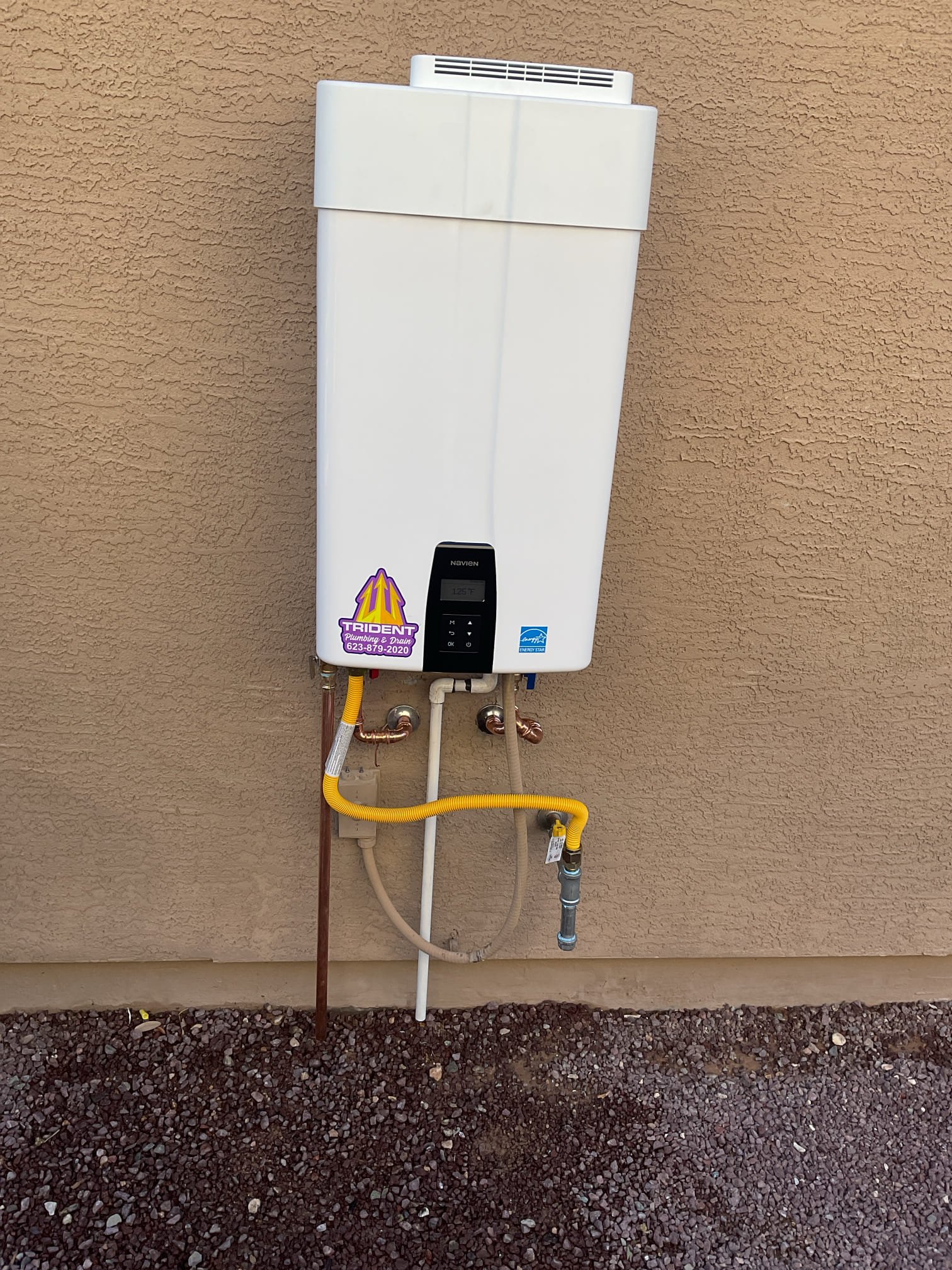
20 years or more |
| Hybrid water heater |
13 to 15 years |
| Marathon water heater |
Up to 20 years or longer |
One important point to remember is that these are averages, not guarantees.
A poorly maintained water heater in an Arizona home with extremely hard water may fail years earlier than expected. On the other hand, a professionally maintained system may continue operating well beyond its average lifespan.
Homeowners who schedule regular water heater maintenance often experience fewer breakdowns and longer equipment life.
What Affects a Water Heater’s Lifespan?
Several factors determine whether your water heater lasts closer to eight years or continues operating for two decades.
Water Quality
Arizona’s hard water is one of the biggest reasons water heaters wear out prematurely.
Minerals such as calcium and magnesium settle inside the tank, forming a layer of sediment that reduces heating efficiency and places additional stress on the equipment.
Installing a water softener can help reduce mineral buildup and protect not only your water heater but your home’s entire plumbing system.
Maintenance
Routine maintenance has a significant impact on water heater lifespan.
Annual flushing removes accumulated sediment before it causes major problems.
Tankless systems also benefit from periodic descaling to remove mineral deposits from the heat exchanger.
Simple maintenance today can often prevent expensive repairs tomorrow.
Installation Quality
Even the highest-quality water heater can develop problems if it is installed incorrectly.
Proper sizing, secure plumbing connections, safe venting, pressure regulation, and code-compliant installation all contribute to reliable long-term performance.
Choosing experienced professionals for water heater installation helps ensure your new system starts its service life under the best possible conditions.
Household Water Usage
A water heater serving a family of six naturally works harder than one serving a retired couple.
Large households place greater demand on heating components, resulting in more wear over time.
Choosing the correct size water heater for your household is one of the best ways to maximize efficiency and equipment longevity.
Signs Your Water Heater May Be Nearing the End of Its Lifespan
Most water heaters do not fail without warning. As internal components wear out, they usually begin showing signs that repairs or replacement should be considered.
Recognizing these warning signs early can help you avoid unexpected breakdowns, water damage, and emergency plumbing costs.
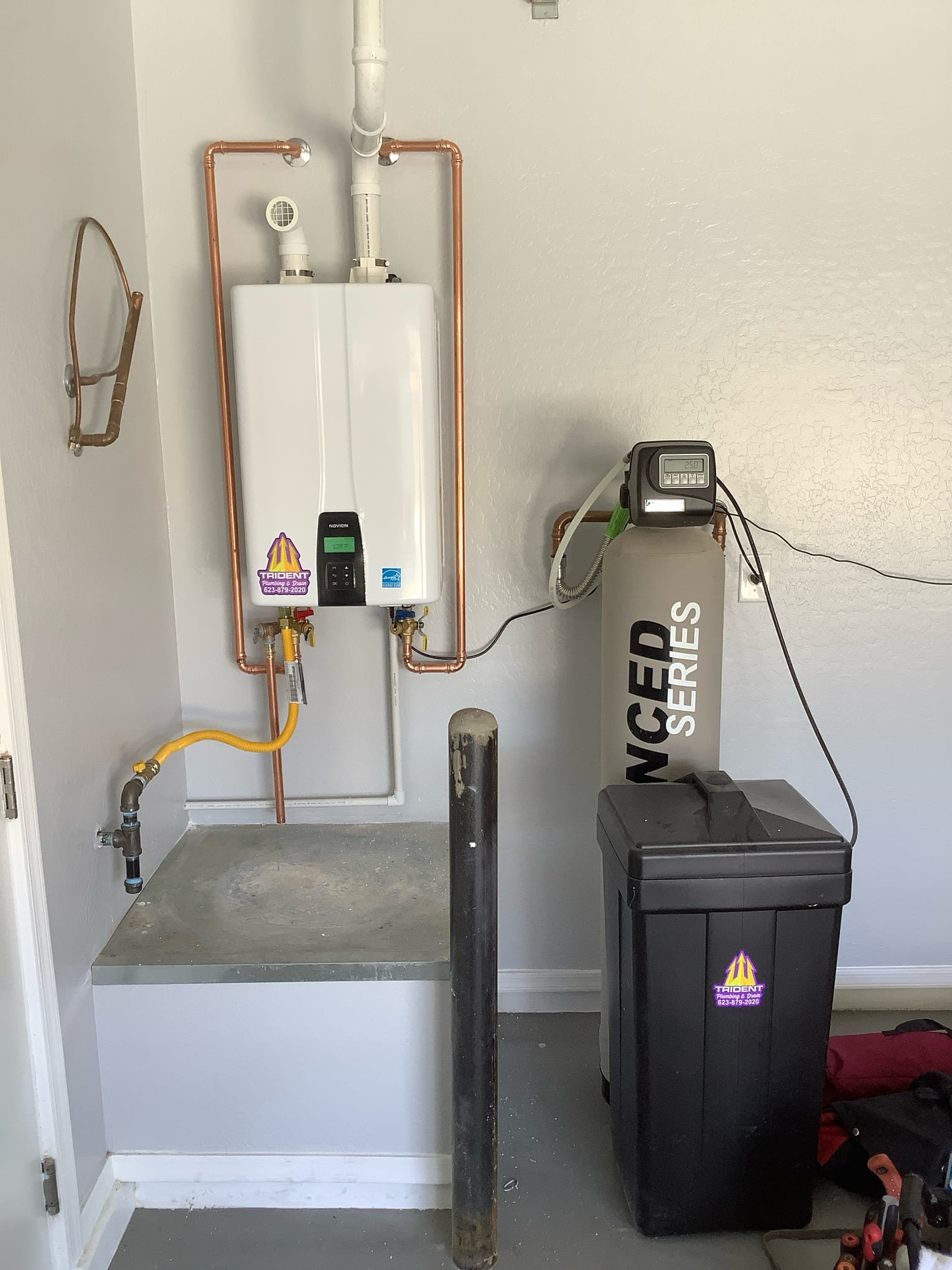
Your Water Heater Is More Than 10 Years Old
Age alone does not mean your water heater needs to be replaced.
However, if your traditional tank water heater is approaching or has exceeded the 10-year mark, it is worth having it professionally inspected, especially if you’ve noticed any changes in performance.
Older systems often become less energy efficient, require more frequent repairs, and are more likely to develop leaks.
If your water heater is nearing the end of its expected water heater lifespan, planning ahead allows you to replace it on your schedule rather than during an emergency.
Rust-Colored Water
If only your hot water appears rusty while your cold water remains clear, corrosion may be occurring inside your water heater.
This could indicate:
- Internal tank corrosion
- A failing anode rod
- Rust beginning to develop inside the tank
Replacing an anode rod may extend the life of the system if the tank itself remains structurally sound. However, widespread corrosion often means replacement is the more practical option.
Strange Noises
Popping, rumbling, cracking, or banging sounds are often caused by hardened sediment collecting at the bottom of the tank.
As the burner heats the water beneath the sediment, trapped moisture creates these noises.
Over time, sediment buildup can:
- Reduce efficiency
- Increase energy consumption
- Cause overheating
- Damage the tank lining
Routine water heater maintenance helps minimize sediment accumulation and extends equipment life.
Water Around the Base of the Tank
Moisture around the bottom of a water heater should never be ignored.
While some leaks originate from loose fittings or the pressure relief valve, water pooling beneath the tank itself often indicates the inner tank has cracked.
Unfortunately, once the storage tank begins leaking, repairs are generally not possible.
Replacement is usually the safest solution.
Inconsistent Hot Water
If your hot water runs out faster than it used to or temperatures fluctuate unexpectedly, several issues may be contributing.
Common causes include:
- Failing heating elements
- Sediment buildup
- Thermostat problems
- Worn internal components
Some of these issues are repairable, particularly on newer systems.
However, when multiple problems occur on an older unit, replacement often provides better long-term value.
Rising Utility Bills
An aging water heater typically becomes less efficient over time.
As sediment accumulates and components wear out, the system requires more energy to produce the same amount of hot water.
If your utility bills have gradually increased without another obvious explanation, your water heater may be contributing to the higher operating costs.
Replacing an inefficient system can often reduce monthly energy consumption.
Repair or Replace? How to Make the Right Decision
One of the most common questions homeowners ask is whether repairing an existing water heater makes more financial sense than replacing it.
The answer depends on several important factors.
Choose Repair If:
Repairing your water heater may be the better option when:
- The system is relatively new.
- The repair is minor.
- There are no signs of tank corrosion.
- The unit has been well maintained.
- Repair costs are significantly lower than replacement.
Examples of repairable issues include:
- Thermostat replacement
- Heating element replacement
- Pressure relief valve replacement
- Ignition repairs
- Minor plumbing connection leaks
Professional water heater repair can often restore reliable performance when the tank itself remains in good condition.
Consider Replacement If:
Replacing the water heater is often the better investment when:
- The unit is over 10 to 12 years old.
- The tank is leaking.
- Rust is visible inside the tank.
- Repairs are becoming frequent.
- Energy efficiency has noticeably declined.
- Repair costs approach half the price of replacement.
A newer system may provide:
- Lower operating costs
- Improved reliability
- Better energy efficiency
- Longer warranty coverage
- More consistent hot water
Many homeowners also choose this opportunity to upgrade to a tankless water heater for longer equipment life and continuous hot water.
Repair vs. Replace Comparison
|
Situation |
Repair | Replace |
|
Water heater under 8 years old |
Usually |
Rarely |
|
Minor thermostat or heating element issue |
✓ |
|
|
Pressure relief valve replacement |
✓ |
|
|
Tank leaking |
✓ | |
|
Significant internal rust |
✓ | |
|
Frequent repairs needed |
✓ |
|
|
Unit over 10–12 years old |
Sometimes |
Usually |
| Poor energy efficiency | Sometimes |
Often |
|
Want lower utility bills |
✓ |
|
| Upgrading to tankless |
✓ |
Can You Extend Your Water Heater’s Lifespan?
Absolutely.
While every water heater eventually reaches the end of its useful life, homeowners can often add several years of reliable service through proper maintenance and proactive care.
Some of the best ways to maximize water heater lifespan include:
- Flush the tank annually to remove sediment.
- Test the temperature and pressure relief valve.
- Replace the anode rod when needed.
- Keep the thermostat set to an efficient temperature.
- Schedule professional inspections.
- Install a water softener if your home has hard water.
Preventative maintenance costs far less than emergency replacement and helps your water heater operate more efficiently throughout its life.
Should You Replace Your Water Heater Before It Fails?
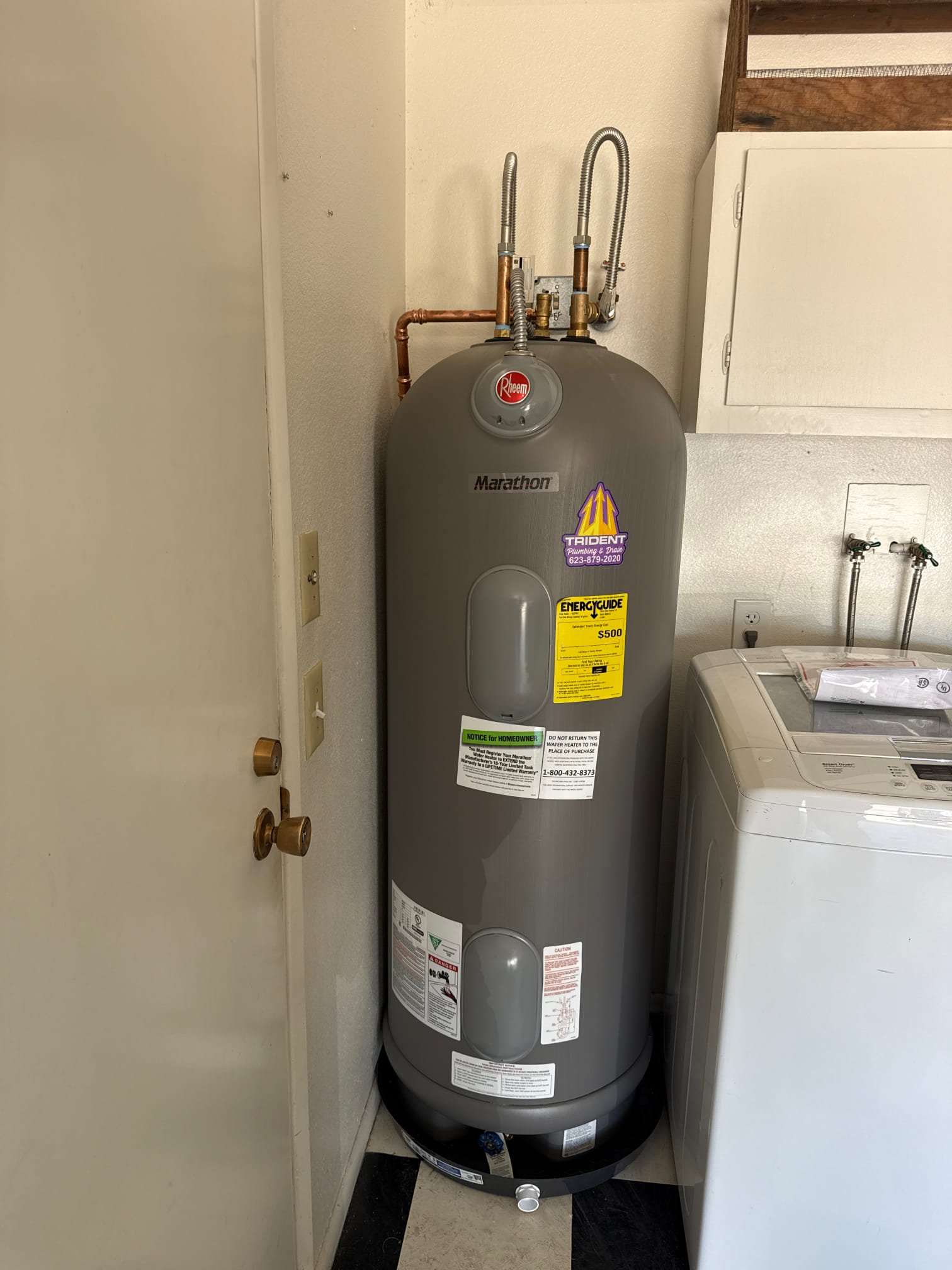
Many homeowners wait until they have no hot water before replacing their water heater.
While this approach may seem like a way to get the maximum value from the system, it often leads to emergency service calls, limited equipment choices, and the possibility of water damage if the tank leaks unexpectedly.
Planning your replacement before complete failure offers several advantages.
Better Equipment Selection
When your current water heater is still operating, you have time to compare different models and determine which option best suits your household.
You can evaluate:
- Traditional tank water heaters
- Tankless water heaters
- Hybrid water heaters
- Marathon water heaters
Rather than choosing whatever is immediately available during an emergency, you can invest in a system designed for your family’s long-term needs.
Lower Risk of Water Damage
One of the biggest risks with older storage tank water heaters is tank failure.
Once the steel tank begins to crack or corrode, repairs are no longer possible.
Replacing an aging water heater before it leaks can help prevent:
- Flooring damage
- Drywall damage
- Mold growth
- Damage to nearby belongings
- Emergency cleanup costs
Improved Energy Efficiency
Technology continues to improve.
Today’s water heaters are generally more energy efficient than units installed 10 or 15 years ago.
Replacing an aging system may help reduce utility bills while providing more reliable hot water.
Many homeowners also choose this opportunity to explore modern hybrid water heaters, which combine excellent efficiency with dependable performance.
Frequently Asked Questions
How long does a traditional water heater usually last?
Most traditional storage tank water heaters provide reliable service for 8 to 12 years. Regular maintenance, water quality, and usage habits all affect the actual lifespan.
How long does a tankless water heater last?
Tankless water heaters often last 20 years or more when professionally maintained and regularly descaled.
Can a leaking water heater be repaired?
It depends on the source of the leak.
Leaks from valves or plumbing connections may be repairable. However, if the storage tank itself is leaking, replacement is typically the only permanent solution.
Is it worth repairing a 12-year-old water heater?
In many cases, replacement offers better long-term value.
As water heaters age, repairs become more frequent and efficiency declines. Investing in a new system often reduces future repair costs and improves reliability.
Does Arizona’s hard water shorten water heater lifespan?
Yes.
Hard water minerals create sediment inside storage tanks and scale inside tankless heat exchangers.
Routine maintenance and installing a water softener can significantly reduce mineral buildup and help extend equipment life.
How often should a water heater be serviced?
Most manufacturers recommend professional maintenance once each year.
Annual inspections, flushing, and component testing help maximize efficiency and prolong the life of the equipment.
Protect Your Investment With the Right Water Heater Decisions

Understanding your water heater lifespan gives you the confidence to make informed decisions before small problems become expensive emergencies.
While many repairs can restore performance on newer systems, aging water heaters with recurring issues, declining efficiency, or leaking tanks often provide better long-term value when replaced. Planning ahead allows you to compare options, improve energy efficiency, and avoid the inconvenience of an unexpected breakdown.
Whether you need an inspection, routine maintenance, expert repairs, or guidance selecting a replacement, Trident Plumbing is here to help. Our experienced team provides comprehensive water heater services, including water heater repair, water heater installation, tankless water heater installation, and Marathon water heaters for homeowners throughout the Phoenix metro area. If you’re unsure whether your current system should be repaired or replaced, our team can evaluate its condition and recommend the solution that best fits your home and budget.
by Internal Admin